






When most people think of vehicle pollution, they picture exhaust fumes. But a large share of harmful particles from road traffic come from a much less visible source — brake dust. Every time we slow down, microscopic fragments of brake pad material are released into the air and onto road surfaces. These particles contain a mix of metals and other compounds that can harm both human health and the environment. And while electric vehicles (EVs) and hybrids reduce some of this pollution, they don’t eliminate it.
What brake dust is
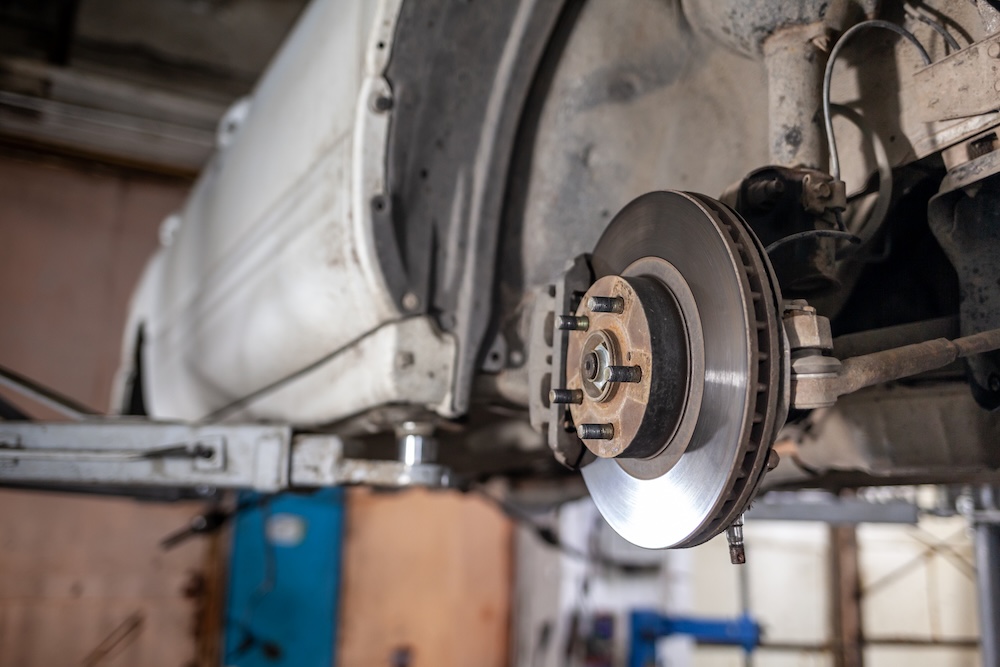
Brake pads and discs work by creating friction, converting a moving vehicle’s kinetic energy into heat. That friction scrapes tiny pieces of material from the brake pads and, in some cases, the rotors themselves. This material — a mix of metal filings, carbon, and binding resins — becomes airborne or settles on the road, where it can be resuspended into the air by passing traffic.
Modern brake pads often contain:
- Iron, copper, and steel from friction components
- Antimony and barium as heat stabilizers
- Graphite as a lubricant
- Synthetic resins to hold the pad together
The resulting dust is so fine that much of it qualifies as particulate matter small enough to enter deep into the lungs (PM2.5) or even the bloodstream.
Why brake dust matters for air quality
The European Environment Agency estimates that non-exhaust traffic emissions — including brake dust, tire wear, and road surface wear — now account for more than half of PM2.5 and PM10 emissions from vehicles in many cities. Unlike tailpipe emissions, these particles are not regulated under most air quality laws, meaning they can persist even as exhaust emissions drop.
Because brake dust is generated at street level, it’s concentrated where people live, walk, and cycle. Airborne brake particles can linger in urban canyons between buildings, contributing to poor local air quality even when overall citywide averages look acceptable.
Health impacts
Brake dust is more than just an aesthetic nuisance on wheel rims — it carries serious health risks.
Respiratory and cardiovascular harm
Studies have shown that brake wear particles can cause inflammation in the respiratory tract, exacerbate asthma, and contribute to cardiovascular disease. The ultrafine fraction (less than 0.1 microns) can penetrate deep into the lungs and cross into the bloodstream.
Metal toxicity
Brake dust contains metals such as copper, iron, and antimony. Research published in Environmental Science & Technology found that brake wear particles could trigger cellular damage due to their oxidative potential, particularly from iron-rich compounds.
Neurological concerns
Emerging evidence suggests that chronic exposure to traffic-related metal particles could be linked to neurodegenerative conditions. While research is still developing, the small size of brake dust particles allows them to travel to the brain via the olfactory nerve.
Brake dust and water pollution
Brake dust that settles on roads is often washed into storm drains by rain. This runoff carries metals into rivers, lakes, and coastal waters, where they can accumulate in sediments and harm aquatic life. Copper from brake pads is especially problematic — it’s toxic to fish and can disrupt their sense of smell, which is critical for navigation and predator avoidance.
In the U.S., the Environmental Protection Agency has already pushed for reductions in copper content in brake pads, with a goal of near-elimination by 2025 in some states, particularly in Washington and California.
EVs, hybrids, and brake dust
EVs and hybrids have an advantage: regenerative braking. Instead of relying solely on friction brakes, they use the electric motor to slow the vehicle, converting motion back into electricity for the battery. This reduces brake pad wear and, therefore, brake dust emissions.
However, brake dust isn’t completely eliminated:
- Friction brakes are still used in emergency stops, low-speed maneuvers, and when the battery is fully charged and can’t accept more regenerated energy.
- EVs tend to be heavier than comparable gas cars, meaning more braking force is needed in some situations.
- Rust buildup on unused brake components in EVs can lead to sudden high-wear events when friction brakes are engaged after long periods.
Measuring the problem
Air quality monitoring studies have measured brake dust levels along busy roads and near intersections, where braking is frequent. Concentrations can spike during rush hour, especially in stop-and-go traffic. In dense urban areas, brake wear particles can make up 20–55% of airborne traffic-related PM2.5.
A study from King’s College London found that brake wear particles could be just as toxic to lung cells as diesel exhaust particles, underscoring the need to address non-exhaust sources of pollution.
Reducing brake dust pollution
Low-copper and copper-free brake pads
Regulations in some U.S. states require brake pad manufacturers to drastically reduce copper content. These pads use alternative materials that are less toxic to aquatic life.
Regenerative braking optimization
Drivers of EVs and hybrids can extend the life of their brakes — and reduce dust — by maximizing regenerative braking settings whenever possible.
Smoother driving habits
Avoiding hard braking through defensive driving not only saves fuel or battery range but also reduces brake wear.
Brake dust capture technology
Innovations like wheel-mounted filters (tested by companies such as Mann+Hummel) are designed to trap brake particles before they disperse into the environment. While still rare in consumer vehicles, such systems may become more common as regulations evolve.
Urban cleaning and maintenance
Regular street sweeping in high-traffic areas can remove brake dust particles from road surfaces before they are resuspended or washed into waterways.
Why this matters beyond vehicles
As tailpipe emissions continue to fall due to stricter regulations and electrification, brake dust and other non-exhaust sources will make up a larger share of traffic pollution. Addressing these sources is essential if cities want to achieve meaningful air quality improvements.
Brake dust is a reminder that “clean transportation” isn’t just about eliminating exhaust — it’s about designing, operating, and maintaining vehicles and infrastructure to minimize all forms of pollution.
Final Thoughts
Brake dust might be invisible most of the time, but its impacts on air quality, human health, and the environment are significant. From the streets of busy cities to the waterways downstream, the particles released when we slow down our cars travel far beyond the brake disc. While EVs and hybrids can reduce brake wear through regenerative braking, they don’t eliminate it entirely.
Tackling brake dust pollution will require a combination of cleaner materials, better vehicle design, and smarter driving habits. In the push for cleaner transport, the smallest particles may be the ones we can’t afford to ignore.