






Transportation is the backbone of modern life, but it comes with a heavy price. The planes, cars, trucks, and ships that move people and goods rely overwhelmingly on fossil fuels — making the sector one of the largest contributors to greenhouse gas emissions and air pollution. The International Energy Agency (IEA) estimates that transportation accounts for roughly one-quarter of global energy-related CO₂ emissions, with aviation alone contributing about 2% of global emissions.
If we are to meet climate goals and ensure future generations can move freely without sacrificing the planet, we need a fundamental shift. That shift begins with sustainable transportation and sustainable aviation fuel (SAF).
Why Sustainable Fuels Matter
Sustainable fuels — produced from renewable sources such as waste, biomass, or renewable electricity — can cut life-cycle greenhouse gas emissions by 50–80% compared to fossil fuels (IEA, 2023). Unlike traditional jet fuel or diesel, SAF and renewable diesel can be blended directly with existing fuels, making them a powerful “drop-in” solution while infrastructure catches up.
Beyond reducing emissions, sustainable fuels:
- Diversify energy sources and reduce reliance on finite fossil reserves.
- Lower pollution compared to conventional fuels, improving air quality and health outcomes.
- Support circularity by turning waste streams into resources.
Current Challenges to Overcome
While the promise is clear, reality presents barriers:
- High production costs: SAF can be 2–5x more expensive than kerosene. Until economies of scale and policy support improve, airlines face cost pressures.
- Infrastructure gaps: Most refineries, storage, and distribution systems are built for fossil fuels, not renewables.
- Feedstock constraints: Not all bio-based inputs are truly sustainable; large-scale biofuel production risks land-use conflicts if not carefully managed.
- Performance improvements: Research is ongoing to increase energy density, stability, and efficiency of next-gen fuels.
The Role of Policy and Incentives
Government action is critical to closing the gap. Examples include:
- European Union Renewable Energy Directive — mandates renewable energy use in transport and sets emissions-reduction targets.
- U.S. Renewable Fuel Standard (RFS) — requires blending renewable fuels into transportation fuels.
- Tax credits and subsidies — programs like the U.S. Sustainable Aviation Fuel tax credit (2023) lower barriers for early adopters.
Policies that price carbon, subsidize clean innovation, and support infrastructure are vital levers to accelerate adoption.
Corporate Leadership and Industry Examples
Large companies have the scale to push change faster:
- Neste (Finland): The world’s largest producer of renewable diesel and SAF, using waste oils and residues. Neste has partnered with Finnair, Lufthansa, and others to integrate SAF into regular flight operations.
- Airlines & alliances: United, Delta, and IAG have made multi-billion-dollar commitments to SAF procurement through 2030.
- Automakers and logistics firms are piloting renewable diesel and hydrogen-based trucking, signaling that the transition is broader than aviation.
These investments send a market signal: sustainable fuels are not just experimental — they are scaling.
A Fresh Perspective: Beyond Fuels
Sustainable fuels are essential, but they are not a silver bullet. A truly sustainable transportation system must combine multiple solutions:
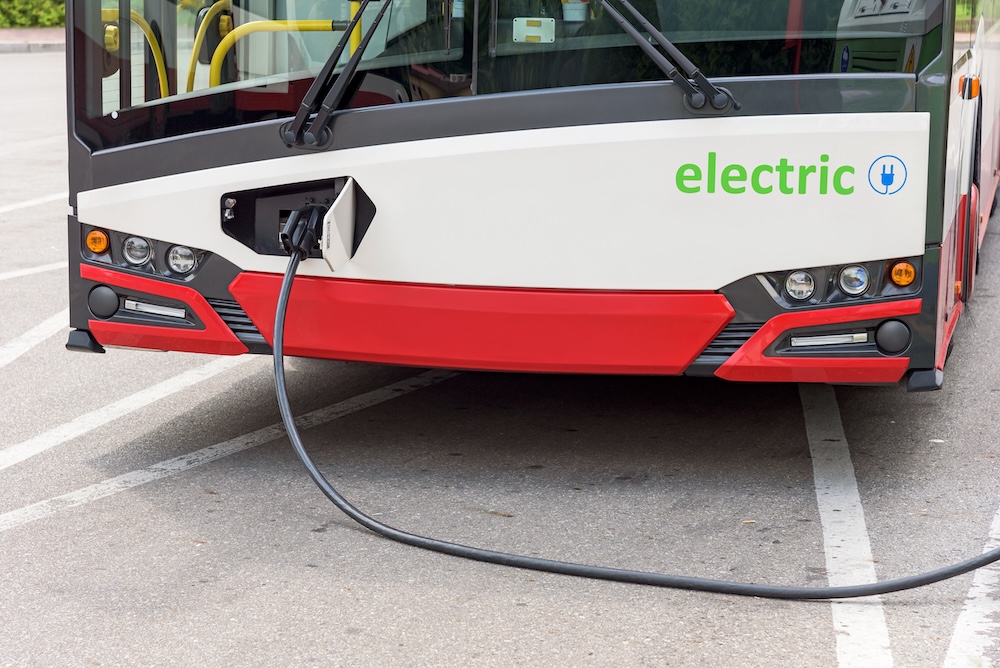
- Electrification — EVs powered by renewable energy for passenger and short-haul transport.
- Public and active transit — investing in buses, trains, cycling, and walkable city design to reduce demand for individual car trips.
- Efficiency — lighter materials, smarter logistics, and digital tools that cut wasted miles.
- Behavioral shifts — rethinking how often and why we fly or drive, and designing cities that don’t require long commutes.
True sustainability comes not just from swapping fuels, but from reprogramming our relationship with mobility and consumption.
Final Thoughts
Sustainable transportation and aviation fuels are a critical step in cutting emissions, but they must be part of a broader shift toward a planet-first mobility system. Governments, businesses, and consumers all share responsibility:
- Governments must set bold standards and invest in infrastructure.
- Corporations must scale innovation transparently, avoiding false solutions.
- Individuals can advocate for policy, choose lower-carbon travel when possible, and support companies that prioritize sustainability.
Every flight taken with SAF, every bus route powered by renewables, every commute replaced by cycling — these choices add up. Small shifts ripple outward, influencing markets, policies, and cultural expectations.
Transportation got us here. Sustainable transportation — built on clean fuels, efficient systems, and reimagined consumption — can help carry us into a greener, fairer future.

