




Millennials (born 1981–1996) are reshaping the market. They vote with their dollars—and demand brands stand for more than style. They pay attention to authenticity, ethics, and especially environmental impact. Here’s how some standout brands are responding, and where they still need to do better.
Everlane – Clean Luxury in Practice
Transparency with Impact
Everlane continues to lean into its radical transparency roots—and it’s paying off in sustainable progress:
- In 2025, Eco-Stylist upgraded Everlane to a Silver sustainability rating, with their score jumping from 43 to 69 out of 100—an impressive 130% gain.
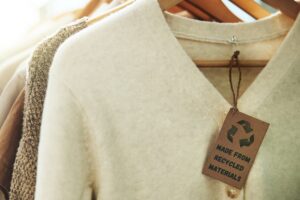
- Vogue reports Everlane has cut 52% of absolute emissions across its value chain compared to 2019, driven largely by sourcing over 90% lower-impact raw materials (organic/regenerative cotton, responsible wool, recycled polyester) and ensuring 91% of finished products meet cleaner chemistry standards.
Clean Luxury & Circular Vision
Everlane’s new “clean luxury” platform—or the Better for You campaign—cements this positioning with emphasis on sustainability, circular design, and clean production. Partnering with Chapter 2, they’re ramping up how they tell that story.
They remain among the few apparel brands with carbon reduction grounded in science-based targets—this isn’t marketing fluff; they’re tracking the real numbers.
Sustainability Snapshot
- Pluses: Measured GHG reduction, high-impact materials, transparency, and third-party recognition.
- Still to track: Worker wage disclosures and post-consumer circularity.
Glossier – Beauty, But How Sustainable?
Ethics and Code of Conduct
Glossier has a clear Partner Code of Conduct setting zero tolerance for forced or child labor, and requiring compliance with environmental laws and human rights norms. They also audit and train vendor partners to uphold those standards,
Brand Citizenship & Support for Diversity
They’ve invested over $1 million in Black beauty entrepreneurs and support local nonprofits through a merchandising social impact program.
Sustainability Gaps
But Glossier has not released a public sustainability report. Ethical ratings from The Good Shopping Guide place them low on environmental criteria—even though they are cruelty-free certified (Leaping Bunny), they rank poorly on organic and broader sustainability transparency standards.
The Brand Value of Community
Glossier built its identity on community and authenticity—From the blog Into the Gloss to micro-influencer usage, it remains a modern blueprint for relatable branding as it scales.
Summary
- Strengths: Strong ethical labor code, inclusion, cruelty-free credentials.
- Weaknesses: Minimal environmental visibility, weak sustainability reporting, no organic certification.
Other Millennial Beloved Brands with Stronger Eco Profiles
Allbirds
Shoes made from merino wool, eucalyptus fiber, and sugarcane—pioneers in low-impact footwear.
Outdoor Voices
Activewear designed for movement (not performance obsession), with an emphasis on body positivity and sustainable materials.
Warby Parker
Stylish eyewear with a buy-one-give-one model and growing sustainability commitments.Carbon neutrality pledged, aligning well with millennial values.
Casper
Reshaped mattresses with DTC convenience and better materials, while aiming for responsible sourcing and transparency in materials.
Insights for Brands Targeting Millennials (and Planetary Health)
1. Sustainability isn’t optional. Millennials expect accountability—especially climate accountability.
2. Transparency builds trust. Tell the full story: material sourcing, emissions data, progress, and what’s still a work in progress.
3. Show, don’t just say. Everlane’s measurable improvements… and Glossier’s lack of environmental transparency… tell two very different stories.
4. Support culture and community. Whether via socially impactful investments—or honest beauty storytelling—brands that listen resonate.
5. Grow forward, not just up. Scaling must align with ethics and conservation, not just reach.
Final Thoughts
Everlane and Glossier both clearly understand millennials—but only one is leading with sustainable authenticity. Everlane’s emissions drops, clean materials, and growing brand trust tell a story of a company that’s doing the hard work of improvement. Glossier still trails in environmental transparency—even as they excel in community and inclusion.
If you’re a brand aiming to win millennial (and planet-first) loyalty, transparency must be paired with action. The cleanest brand language isn’t marketing alone—it’s measurable progress.

