






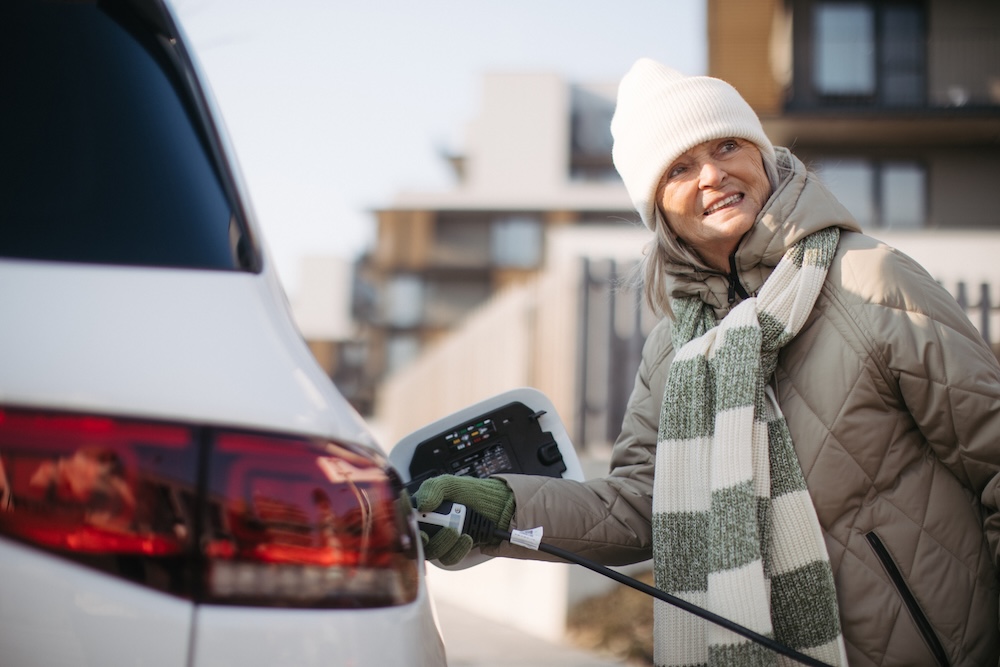
Cold weather is hard on vehicles — and electric vehicles (EVs) and hybrids face unique winter challenges that go beyond what traditional gas cars experience. In 2025, battery technology and vehicle design have improved, but subzero temperatures, icy roads, and winter storms can still sap efficiency, slow charging, and test mechanical systems. Winterizing your EV or hybrid is not just about preserving performance — it’s about safety, reliability, and maximizing lifespan.
Why winter prep matters
Winter conditions can cut EV range by 30–40% according to the U.S. Department of Energy, with similar but smaller efficiency drops for hybrids. Cold air is denser, increasing aerodynamic drag, and icy or snowy roads create more rolling resistance. Batteries work less efficiently in low temperatures, and heaters draw significant power. Without preparation, these factors can leave you with shorter driving range, slower charging, and a more vulnerable vehicle.
Battery care in cold weather
The battery is the heart of your EV or hybrid’s electric system, and cold weather is its biggest seasonal enemy.
Keep charge levels optimal
Avoid letting your battery drop too low in winter. Keeping the state of charge between 40% and 80% when parked for long periods helps preserve battery health while leaving enough reserve for emergencies.
Pre-condition before driving
Pre-conditioning warms the battery and cabin while the vehicle is still plugged in, reducing the load once you start driving. Many EVs and plug-in hybrids allow scheduled pre-conditioning via smartphone apps.
Charge more frequently
Cold weather slows charging speed, especially at fast chargers. Frequent top-ups prevent long waits and ensure you always have adequate range.
Heating and energy management
Use seat and steering wheel heaters
These require far less power than cabin heaters and keep you warm while conserving range.
Moderate cabin heat use
Resist cranking the heater to maximum — gradual increases help preserve range. If your EV has a heat pump, it will be more efficient than resistive heating.
Defrost smartly
Use targeted defrost for the windshield instead of heating the entire cabin. Many vehicles have defrost settings that focus airflow where it’s needed most.
Tires and traction
Install winter tires
Winter tires dramatically improve traction and braking in snow and ice. Look for low rolling resistance options to minimize range loss.
Check tire pressure regularly
Cold temperatures cause pressure to drop, reducing efficiency and grip. Maintain manufacturer-recommended pressure for safe handling.
Brakes and regenerative systems
Adjust regen braking
High regenerative braking can cause wheel slip on icy roads. Some EVs allow you to lower regen intensity to improve stability.
Keep brake components clean
Snow, slush, and road salt can build up around brake components. Periodic cleaning prevents corrosion and maintains braking performance.
Charging in freezing temperatures
Warm the battery before charging
Charging a cold battery is slower and can stress the cells. Pre-conditioning before plugging in helps maintain charging speed and efficiency.
Keep cables flexible
Store charging cables in a warm place when possible — frozen cables are stiff and harder to handle.
Avoid full charges in extreme cold
Unless needed for a long trip, charging to 100% in freezing conditions can add unnecessary strain. Stick to your usual daily limit.
Protecting the vehicle exterior
Wash to remove road salt
Road salt accelerates corrosion on exposed metal parts. A mid-winter wash — especially the undercarriage — extends the life of your vehicle.
Wax before winter
A coat of wax creates a protective barrier against moisture, salt, and grime.
Cover charging ports
Snow and ice can block or damage charging port doors. Use protective covers or park where snow buildup is minimal.
Emergency preparedness
Carry a winter kit
Include blankets, gloves, a flashlight, non-perishable food, water, and a portable phone charger.
Keep traction aids
Sand, cat litter, or traction mats can help you get unstuck in snow or ice.
Have a backup power plan
If you live in an outage-prone area, consider a portable generator, solar-plus-battery backup, or vehicle-to-home (V2H) system.
Hybrid-specific tips
Maintain the engine
Even though hybrids rely heavily on electric motors, their combustion engines need regular oil changes, coolant checks, and tune-ups.
Use the engine strategically
In extreme cold, running the engine periodically keeps fluids warm and prevents startup issues.
Regional considerations
Northern climates
In regions with extended subzero periods, invest in a garage or insulated carport to protect from temperature extremes.
Coastal snowy areas
Moisture from snow and salt spray accelerates corrosion — frequent washing is essential.
Mountain regions
Ensure your tires and AWD system are winter-ready, as steep, icy terrain demands maximum traction.
Why winterizing matters beyond performance
Winter preparation is not just about efficiency — it’s about safety and resilience. As extreme weather events become more common, being able to rely on your EV or hybrid means you can reach shelter, assist others, or access resources during emergencies. A well-maintained, winter-ready vehicle is also less likely to suffer costly repairs from cold-related wear and tear.
Final checklist for 2025
- Keep battery charged above 40%
- Use pre-conditioning before driving
- Install winter tires
- Monitor and adjust tire pressure
- Reduce cabin heat use and rely on seat heaters
- Clean brakes and undercarriage regularly
- Prepare an emergency kit
- Keep charging cables protected and flexible
- Plan routes around reliable charging or fuel points
- For hybrids, maintain the combustion engine
Final Thoughts
A winterized EV or hybrid is more than just a car — it’s peace of mind in a season where conditions can change in minutes. Cold weather doesn’t have to mean reduced range, sluggish performance, or risky travel. With the right preparation, you can drive confidently into winter knowing your vehicle is ready for whatever nature brings. In 2025, the choice to winterize isn’t just about preserving your investment — it’s about ensuring your safety and mobility in an era of increasingly unpredictable winters.

