
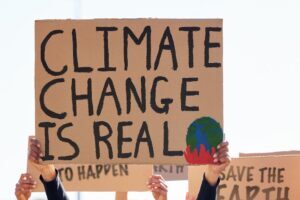





The shift from fossil fuels to clean energy sources like wind, solar, and hydropower is one of the most important transitions in human history. It’s not just about saving money on electricity or avoiding the next oil crisis — it’s about creating a world where life can thrive for centuries to come. Even if many of us won’t be around to witness the full benefits, the effort is worth it.
Fossil Fuels: Powering the Present, Damaging the Future
Fossil fuels have been the backbone of industrial progress for over a century. Coal, oil, and natural gas have powered homes, factories, and transportation networks, enabling incredible advances in technology and living standards.
But the cost is staggering. Burning fossil fuels is the largest source of greenhouse gas emissions, driving climate change and extreme weather. Extraction destroys ecosystems, from mountaintop removal in coal mining to oil spills that devastate marine life. Air pollution from fossil fuels contributes to millions of premature deaths every year.
The Renewable Advantage
Switching to wind, solar, and hydropower isn’t just an environmental choice — it’s an economic and social one.
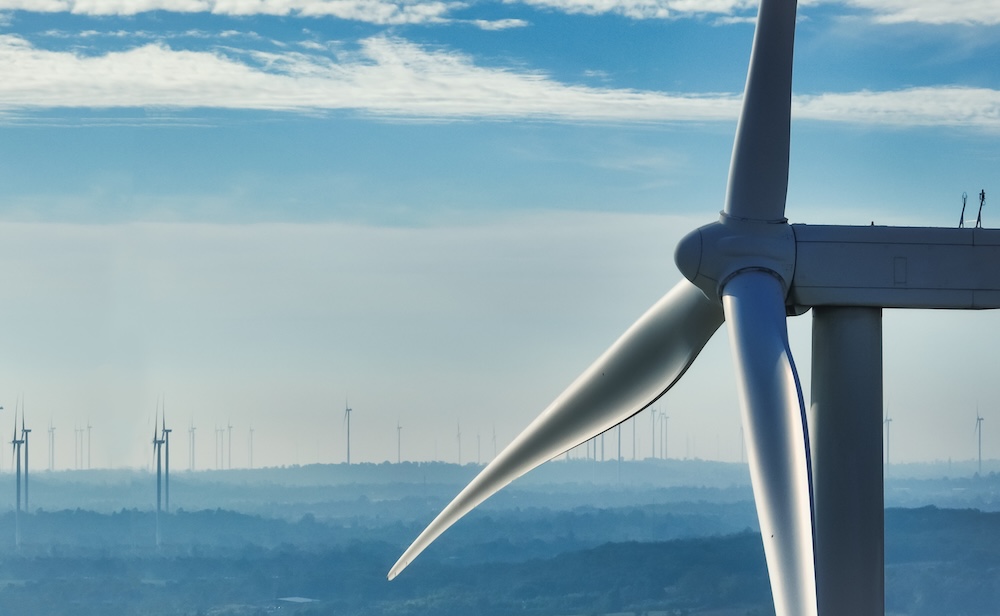
- Wind harnesses the power of moving air to generate electricity with zero emissions. Turbines can operate for decades with minimal maintenance.
- Solar converts sunlight directly into power, and costs have dropped more than 80% in the past decade, making it one of the cheapest energy sources in the world.
- Hydropower taps into flowing water for steady, reliable energy, often acting as a backbone for renewable grids.
These sources emit little to no greenhouse gases, reduce dependence on finite resources, and can be scaled to meet both urban and rural needs.
The Long-Term Payoff
Transitioning to renewables is a massive undertaking. It requires upgrading power grids, building storage capacity, retraining workers, and redesigning industries. But the payoff is equally massive:
- Climate stability — reducing emissions slows global warming and avoids the most catastrophic climate impacts.
- Cleaner air and water — less pollution means healthier communities and reduced healthcare costs.
- Energy security — renewables are not subject to volatile global fuel markets or geopolitical tensions.
- Job creation — renewable energy industries already employ millions worldwide, with potential for many more.
Even If We Don’t See the Full Results
Many of the benefits of transitioning to renewables will unfold over decades. Sea levels may still rise for centuries, and ecosystems will take time to recover. But that’s exactly why the work matters — we’re planting seeds we may never sit in the shade of.
Shifting away from fossil fuels isn’t about instant gratification; it’s about leaving behind a livable planet. Future generations shouldn’t have to choose between survival and prosperity because we delayed action today.
Final Thoughts
The energy transition is not optional — it’s inevitable. The only question is whether we move fast enough to limit the damage. Investing in wind, solar, and hydropower now is a gift to the future, one that ensures the world we leave behind is cleaner, healthier, and more resilient. Even if we’re not here to enjoy every benefit, the legacy we leave will speak for itself.