

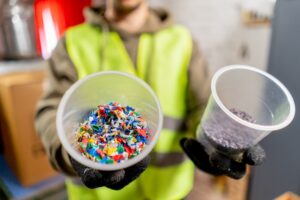





Every product you buy comes in something—and that “something” often outlives the product itself by centuries. Plastic bottles tossed after a single drink, food trays designed for one meal, shipping boxes that barely survive the unboxing. Packaging waste makes up over a third of global municipal solid waste, and much of it ends up in landfills, oceans, or incinerators. But packaging doesn’t have to be disposable in the worst sense—innovations in materials are offering a way out of our single-use spiral.
Setting the Stage
The United Nations Environment Programme estimates that 11 million metric tons of plastic enter our oceans every year, with packaging as the largest contributor. In the race to reduce waste, companies are turning to materials that are recyclable, compostable, reusable, or made from renewable resources. These alternatives aren’t perfect, but they’re a significant step toward cutting the environmental footprint of what we wrap, ship, and sell.
Why Packaging Matters in Sustainability
Packaging isn’t just waste—it’s resource-intensive to produce, consuming energy, water, and raw materials. Choosing better options at the manufacturing stage can prevent emissions, reduce landfill loads, and shift consumer habits toward reusability.
1. Bottles Made from 100% Recycled PET (rPET)
Recycled PET (polyethylene terephthalate) is made from collected and processed plastic bottles, giving old materials a second life. rPET bottles require up to 79% less energy to produce than virgin plastic bottles and significantly cut greenhouse gas emissions.
Why It Works
PET is one of the most widely recycled plastics globally, and turning it into new bottles closes the loop in a circular economy model. However, consistent supply of clean, high-quality rPET remains a challenge.
2. Plant-Based Plastics (Bioplastics)
Made from renewable sources like corn starch, sugarcane, or algae, plant-based plastics can mimic the look and function of traditional plastics.
Benefits and Caveats
These materials can reduce reliance on fossil fuels and lower carbon footprints. But not all bioplastics are biodegradable, and some require industrial composting facilities to break down.
3. Glass Packaging
Glass is endlessly recyclable without losing quality. It’s non-toxic, impermeable, and ideal for products like beverages, cosmetics, and sauces.
The Trade-Off
Glass is heavier than plastic, which can increase transportation emissions. Refillable glass systems can offset this drawback.
4. Aluminum Packaging
Lightweight, durable, and endlessly recyclable, aluminum is common in beverage cans, food trays, and tubes for cosmetics.
Environmental Edge
Recycling aluminum saves up to 95% of the energy required to produce it from raw materials.
5. Paper and Cardboard from Sustainable Sources
Paper-based packaging made from FSC-certified or recycled materials is biodegradable and compostable, making it a staple in eco-friendly packaging.
Not Always Perfect
Coatings or laminates can reduce recyclability. Using water-based inks and avoiding plastic layers helps keep paper packaging in the recycling stream.
6. Compostable Packaging
Compostable packaging made from materials like bagasse (sugarcane fiber), cornstarch, or bamboo can break down into natural components in composting conditions.
Limitations
Some compostables need industrial facilities to degrade fully, and contamination with regular plastic can hinder the process.
7. Edible Packaging
An emerging innovation, edible films and containers made from seaweed, rice, or potato starch offer a zero-waste alternative—especially in food service.
Early-Stage Potential
While not yet widely adopted, edible packaging could replace single-use wrappers for certain food items.
Human Impact
Switching to sustainable packaging reduces the plastic burden on communities—particularly those near manufacturing plants and landfill sites. It can also protect marine life, improve air and water quality, and create new jobs in recycling and materials innovation.
Why It Matters Beyond the Immediate
Better packaging is more than an environmental choice—it’s a cultural shift. As consumers demand greener options, industries respond with innovation, creating feedback loops that accelerate progress. The sooner sustainable packaging becomes the norm, the less we’ll rely on extraction-heavy, waste-generating systems.
What Can Be Done
- Support brands that use high recycled content or certified sustainable materials
- Advocate for deposit-return schemes to boost recycling rates
- Push for infrastructure that supports composting and advanced recycling
- Reduce personal packaging waste by buying in bulk, using refill stations, or carrying reusable containers
FAQs / Common Questions
Is rPET safe for food and drink packaging?
Yes, rPET used in food and drink packaging must meet strict safety standards set by regulatory agencies like the U.S. FDA and the European Food Safety Authority.
Are plant-based plastics really biodegradable?
Not all plant-based plastics are biodegradable. Some are chemically identical to conventional plastics and require standard recycling rather than composting.
Final Thoughts
Packaging is the first thing consumers see and the first thing they throw away. Choosing sustainable options isn’t just about what happens after disposal—it’s about designing from the start with the end in mind. The right materials can turn packaging from a liability into a sustainable asset, helping us inch closer to a circular economy.

