






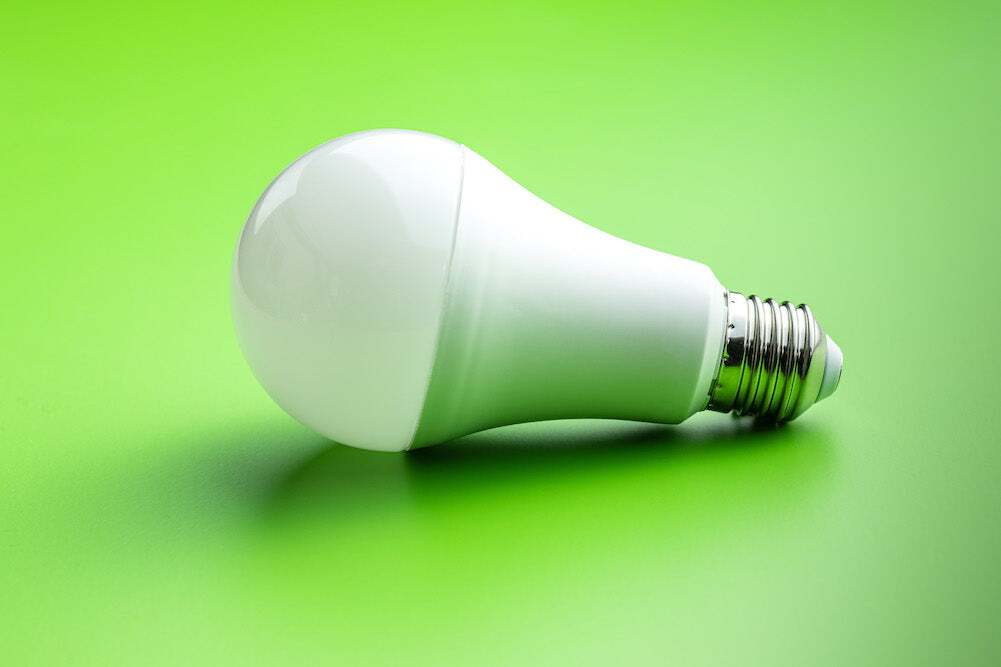
Lighting is one of the easiest ways to save energy at home or in the workplace. Switching to LED (Light Emitting Diode) bulbs doesn’t just brighten your space — it can cut utility costs, lower your carbon footprint, and improve lighting quality. Unlike traditional incandescent or fluorescent bulbs, LEDs combine efficiency with durability, making them one of the most practical upgrades you can make.
Energy Efficiency
The biggest advantage of LED bulbs is how little energy they use.
- 75% less energy than incandescent bulbs.
- Up to 50% less energy than compact fluorescents.
That difference adds up quickly. According to the U.S. Department of Energy, replacing just five 60-watt incandescent bulbs with LEDs can save around $75 per year, depending on usage and electricity rates. And because LEDs can last up to 50,000 hours, one bulb may run for more than a decade without replacement.
LEDs also produce very little heat, unlike incandescent bulbs that waste 90% of their energy as heat. In warm climates, this can even reduce air conditioning costs by keeping rooms cooler.
Cost-Effectiveness
LEDs often cost more up front — typically $5–10 for a 60-watt equivalent bulb compared to just a couple of dollars for an incandescent. But the long-term savings make them cost-effective:
- Lower electricity bills every month.
- Far fewer replacements (an LED can outlast 25 incandescents).
- Decreasing prices as technology advances.
What was once considered a premium product is now widely affordable, and costs continue to drop as LED technology becomes the global standard.
Environmental Benefits
LEDs are one of the simplest ways to reduce your environmental footprint.
- Lower emissions: Using less energy means fewer greenhouse gases released from power plants.
- Less waste: Long lifespans mean fewer bulbs in landfills.
- Safer disposal: Unlike fluorescents, LEDs contain no mercury or other hazardous substances.
Many LED bulbs can also be recycled through electronics recycling programs, reducing waste even further. Choosing LEDs supports both climate goals and safer waste management practices.
Other Benefits
Beyond efficiency and savings, LEDs offer features that make them more versatile than older lighting technologies:
- High-quality light: Bright, clear, and available in a full range of color temperatures (from warm, cozy light to cool daylight tones).
- Safety: Low heat output reduces fire risk, and durable designs are less likely to shatter.
- Compatibility: Most LEDs fit standard fixtures, making upgrades simple.
- Dimmable options: Many LED bulbs work with dimmer switches, giving you control over brightness and mood.
- Directional lighting: LEDs emit light in specific directions, making them ideal for task lighting, under-cabinet setups, or reading lamps.
Final Thoughts
LED bulbs are more than just a lighting choice — they’re a smart investment in comfort, savings, and sustainability. By switching from incandescent or fluorescent bulbs, you can lower your bills, reduce your carbon footprint, and enjoy brighter, safer, and longer-lasting light.
While the upfront price may be slightly higher, the long lifespan and efficiency of LEDs make them one of the most cost-effective home upgrades available. Each bulb you replace is a small shift that ripples outward — cutting emissions, reducing waste, and helping build a more sustainable future.
So the next time you need to replace a bulb, choose LED. It’s a simple decision with long-lasting benefits for your home, your wallet, and the planet.