
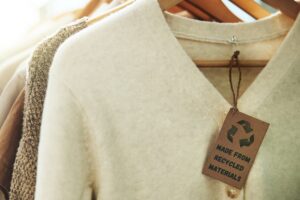



“Made from wood pulp.” It sounds clean, renewable, and natural. Clothing brands love to use the phrase as proof of sustainability. After all, who wouldn’t feel good about wearing something made from trees instead of plastic?
But there’s a problem. Most fibers marketed as wood-based — rayon, viscose, modal — are not natural at all. They are heavily processed using toxic chemicals like carbon disulfide, sulfuric acid, and sodium hydroxide. What begins as tree cellulose is transformed into a synthetic fiber that comes with devastating impacts on workers, rivers, and entire communities.
The story of wood pulp fabrics is not about trees. It’s about how industry spins a natural origin into a greenwashed marketing claim while ignoring the pollution left behind.
What “Wood Pulp” Fibers Really Are
The starting point for these fabrics is cellulose, the structural component of wood. In theory, cellulose is natural and renewable. But cellulose on its own cannot be spun into a fabric. To become usable, it must be dissolved, regenerated, and chemically re-engineered.
This process creates what’s known as regenerated cellulose fibers. They sit in between natural fibers (like cotton or hemp) and synthetics (like polyester). The fashion industry promotes them as “semi-natural,” but in reality, the final material is closer to a chemical fiber than anything you’d find in nature.
Common types include:
- Viscose/Rayon: The most widely used, often called simply “rayon.”
- Modal: A version of viscose, marketed as a higher-end or softer alternative.
- Lyocell: A newer fiber, sometimes branded as Tencel, with safer closed-loop processes in some facilities.
The Greenwashed Promise
Marketers highlight the trees — “sustainably sourced,” “biodegradable,” “from renewable wood pulp.” This framing makes shoppers believe they are choosing something environmentally friendly, a softer alternative to polyester.
But the focus on the origin hides the reality of the process. Just because a fiber begins in a forest does not mean it ends up natural or harmless.
The Chemical Reality
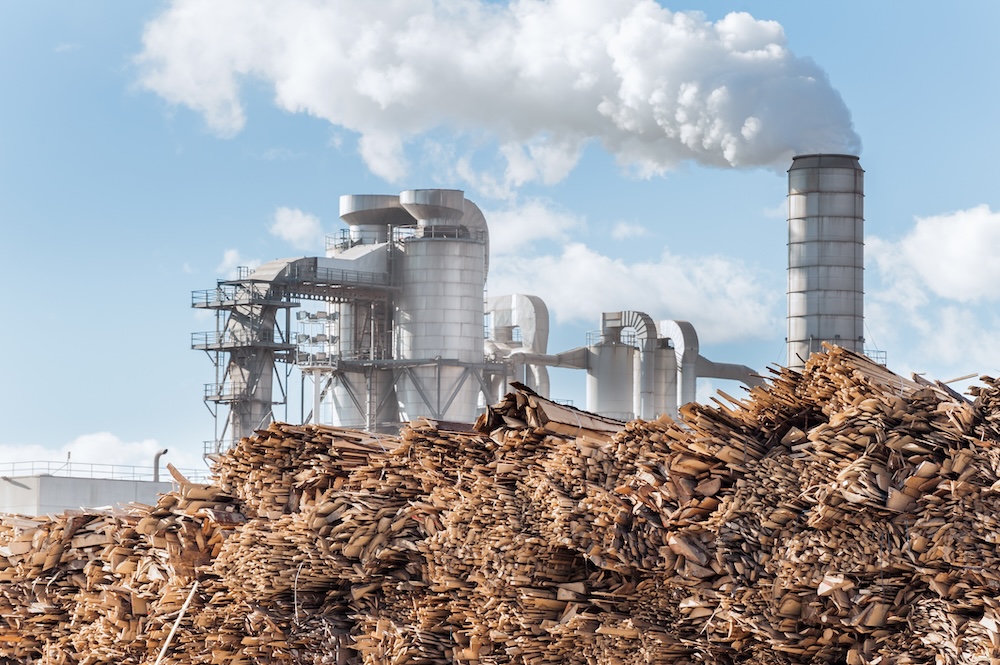
Viscose and similar fibers require an intensive cocktail of chemicals. Carbon disulfide is used to dissolve the wood pulp into a liquid form. It is highly toxic, with links to neurological damage, reproductive health problems, and chronic illness in exposed workers. Sulfuric acid, sodium hydroxide, and acetone are also part of the process, each leaving its mark on factory workers and local environments.
When the pulp is regenerated into threads, the end product may look like silk or cotton, but it carries the hidden burden of this industrial chemistry.
Environmental Fallout
The impact is not limited to factory walls. In many production regions, wastewater from viscose facilities is discharged directly into rivers. Communities downstream report contaminated drinking water, dead fish, and degraded farmland. Local residents and workers often suffer health effects ranging from nausea and headaches to severe neurological damage.
Forests also pay the price. While some wood pulp is certified, much of it comes from monoculture plantations. These single-species tree farms replace biodiverse forests, deplete soil health, and accelerate deforestation in regions already under pressure.
Air pollution adds another layer. The release of carbon disulfide and other chemicals affects not only workers inside factories but also surrounding neighborhoods, exposing entire populations to risk.
Which Fibers Are We Talking About?
- Viscose (Rayon): The most common and most polluting. Produced on a massive scale for fast fashion.
- Modal: Marketed as softer and higher quality, but often produced with the same chemicals and wastewater practices.
- Lyocell: Sometimes produced in closed-loop systems that recycle solvents and prevent wastewater release. Certified Tencel lyocell can be a better choice, but it still requires intensive processing and raw wood inputs.
Why It Matters
The label “made from wood pulp” gives consumers a false sense of comfort. It shifts attention away from chemical processing, labor conditions, and pollution. In practice, these fibers perpetuate the same system of overproduction and harm that fast fashion has built around polyester and plastics.
By presenting chemically manufactured fibers as natural, the industry undermines genuine sustainability. It keeps consumers from asking harder questions: How was it made? What happened to the wastewater? Who was harmed in the process?
What You Can Do
- Check fiber content carefully. Rayon, viscose, and modal are not natural fibers, no matter how they are described.
- Look for certified lyocell (Tencel). Closed-loop processes recycle solvents and reduce wastewater, though sourcing still matters.
- Choose true natural fibers. Hemp, linen, organic cotton, and responsibly sourced wool are far less chemically intensive.
- Push for transparency. Support brands that publish their sourcing and wastewater treatment practices. A “made from wood pulp” label without details is marketing, not sustainability.
FAQs
Is viscose biodegradable?
Yes, viscose can break down more quickly than polyester. But the environmental cost of production — toxic chemicals, wastewater, and deforestation — far outweighs its biodegradability benefits.
Is Tencel different from viscose?
Yes. Tencel lyocell uses a closed-loop system with safer solvents. It is less harmful than traditional viscose but still resource-intensive and dependent on tree harvesting.
Are wood pulp fibers better than polyester?
Not automatically. While polyester sheds microplastics and is fossil-fuel based, wood pulp fibers made with toxic processes carry severe human and ecological costs. Neither should be seen as a sustainable default.
Final Thoughts
“Made from wood pulp” is a phrase designed to soothe. It suggests a return to nature, a fiber that feels cleaner and more responsible than synthetics. But in truth, most of these fabrics are chemically manufactured, highly polluting, and deeply tied to environmental injustice.
Real sustainability isn’t about swapping one problematic fiber for another. It’s about questioning the entire system of overproduction and choosing materials that honor ecosystems and communities. The next time you see “made from wood pulp” on a label, don’t let it stop you from asking: at what cost?

