





It looks like progress: a plastic bag stamped with words like eco, biodegradable, or oxo. The suggestion is clear — this bag will safely break down and vanish, unlike conventional plastics. Consumers feel better carrying them, and brands use the labels to polish their green image.
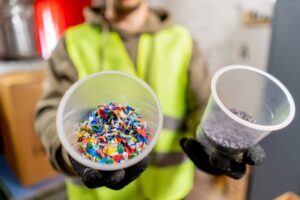
But the reality is different. Oxo-degradable plastics don’t truly biodegrade. They are conventional plastics with added chemicals that make them fragment into smaller pieces. Instead of disappearing, they shed microplastics — invisible pollutants that persist in soil, rivers, oceans, and even human bodies.
So-called “eco” plastic bags are not a solution. They are pollution in disguise.
What Are Oxo-Degradable Plastics?
- Definition: Conventional plastics (like polyethylene) with chemical additives that accelerate breakdown when exposed to heat, oxygen, or light.
- The illusion: Marketing calls this “biodegradable.”
- The reality: They don’t convert to harmless materials. They just break into microplastic fragments.
These fragments are even harder to collect or remove from the environment than whole plastic bags.
Why They’re a Problem
Microplastic Pollution
Oxo bags turn one large problem into billions of smaller ones. Once fragmented, microplastics spread widely and infiltrate ecosystems, food chains, and water supplies.
False Consumer Confidence
Labels like eco and biodegradable convince people they’re making a better choice. This encourages more single-use plastic consumption instead of reduction or real alternatives.
Misleading Marketing
The term oxo-biodegradable is greenwashing. The bags are rarely compostable, and they don’t meet standards for actual biodegradation. The European Union banned oxo-degradable plastics in 2019, citing misleading claims and environmental harm. Yet many markets still sell them freely.
Recycling Disruption
Oxo additives can contaminate recycling streams, making it harder to process plastics into new products.
What Real Solutions Look Like
- Compostable bags: Certified compostable (meeting standards like EN 13432 or ASTM D6400) actually break down into CO₂, water, and biomass in industrial composting conditions.
- Reusable bags: The best choice — cloth, hemp, durable plastic, or recycled-material bags used again and again.
- Policy bans: Strong regulations against misleading labeling and oxo plastics, like in the EU, need global adoption.
What You Can Do
- Be wary of vague labels like eco, green, or biodegradable. Unless they specify “compostable” with certification, assume it’s greenwash.
- Choose reusable bags wherever possible.
- Educate others: many people still believe oxo bags are eco-friendly. Awareness cuts through the illusion.
- Support bans and push for stricter labeling laws in your region.
FAQs
Are oxo-degradable bags compostable?
No. They fragment but do not fully compost into natural elements. Compost facilities often reject them.
Do oxo bags disappear faster?
They may fragment more quickly, but the microplastic particles persist in the environment for decades.
Why are they still sold if they don’t work?
Loopholes in regulation and the appeal of green marketing keep them on shelves in many regions.
What’s the difference between oxo-degradable and compostable?
- Oxo-degradable: Breaks into plastic fragments.
- Compostable: Breaks down fully into natural materials in specific conditions, with certification.
Final Thoughts
“Eco” plastic bags sound like progress. In reality, they are one of the most deceptive greenwashed products on the market. Instead of solving plastic waste, they turn it into microplastic pollution and encourage more disposable consumption.
If we want real change, we have to move beyond illusions. Bags must be reusable or truly compostable — not fossil-fuel plastic dressed up as green.