






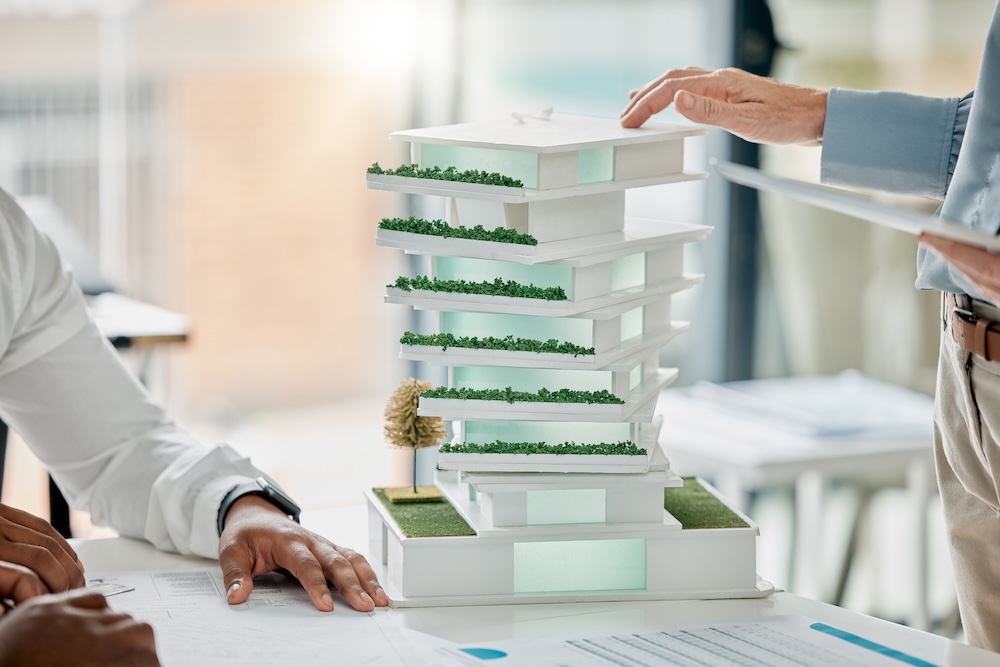
In a world built from concrete and screens, we’ve never been more connected — or more disconnected.
We live surrounded by walls that keep us comfortable, yet somehow distant from the very world that sustains us.
Biophilic design offers a way back — a reminder that nature isn’t a luxury; it’s a need.
When we bring natural light, organic materials, and living systems into our spaces, we’re not decorating — we’re restoring something deeply human: our bond with the planet.
What Is Biophilic Design?
“Biophilia” means love of life. Coined by biologist E.O. Wilson, the term describes our innate desire to connect with the natural world.
Biophilic design applies that idea to architecture and interiors — creating spaces that evoke nature not through imitation, but through relationship.
It’s more than adding a few plants or green walls. True biophilic design integrates natural patterns, textures, light, and air into the very fabric of how we live and work.
When done well, it doesn’t just look natural — it feels alive.
Why We Need Nature Indoors
Humans evolved outdoors. Our senses — sight, smell, sound, touch — are calibrated to read cues from nature. When those cues disappear, our bodies and minds notice, even if we don’t.
Research shows that:
- Exposure to natural light reduces stress hormones and regulates sleep.
- Views of greenery improve focus and creativity.
- Rooms with organic materials (wood, stone, clay) lower blood pressure and heart rate.
In hospitals, patients recover faster with views of trees. In offices, workers report higher satisfaction and productivity.
Nature doesn’t just calm us — it calibrates us.
The Principles of Biophilic Design
1. Light and Shadow
Natural light shifts throughout the day — it glows, softens, and fades. Artificial lighting is constant, and our bodies feel that absence of rhythm.
Designing with daylight restores our biological clock, supporting mood and energy.
2. Natural Materials and Forms
Wood grains, linen, bamboo, clay — materials with visible texture and variation remind us of nature’s imperfection and beauty. Curves and organic shapes mirror the natural world far better than rigid geometry ever could.
3. Air and Flow
Open windows, cross-ventilation, and fresh air circulation reconnect us to the outdoors. The subtle feel of a breeze is one of the simplest yet most powerful sensory experiences we can reintroduce.
4. Green Integration
Plants, green walls, and living systems don’t just beautify — they purify air, regulate humidity, and reduce noise.
Even a small collection of plants can restore balance in sterile environments.
5. Water and Sound
Fountains, indoor ponds, or the subtle sound of flowing water evoke calm and continuity — reminding us that life is movement, not stillness.
6. Prospect and Refuge
We instinctively seek spaces that feel both open and safe.
Designs that offer light and view (prospect) while maintaining a sense of enclosure (refuge) mirror the comfort of sitting under a tree overlooking a field — secure, yet connected.
The Emotional Architecture of Connection
Biophilic spaces do more than regulate temperature and light; they regulate emotion.
They invite stillness in chaotic environments and presence in disconnected ones.
They remind us that wellness isn’t only physical — it’s ecological.
When you walk into a space designed with nature in mind, something changes in your breathing, your awareness, your pace. You feel part of something larger again.
Cities That Remember Their Roots
Urban life doesn’t have to mean separation from nature. Around the world, cities are weaving green life back into their design:
- Singapore’s Gardens by the Bay shows how high-density living can still breathe with nature.
- New York’s High Line transformed an abandoned railway into a living corridor for both people and pollinators.
- Milan’s Bosco Verticale brings forests up into the sky, turning residential towers into vertical ecosystems.
The lesson is clear: we can build modern life without forgetting life itself.
Designing With Respect, Not Just Aesthetics
Biophilic design isn’t about turning every wall green — it’s about rethinking our relationship with space.
It asks us to design places that care — for people, for ecosystems, and for future generations.
It reminds us that well-being and sustainability are not separate goals, but the same one seen from different angles.
Final Thoughts
We don’t need to escape to nature — we need to bring nature back to where we are.
Biophilic design doesn’t just restore balance to our buildings; it restores balance to us.
Because the spaces we inhabit shape how we feel, how we think, and ultimately how we treat the world beyond our walls.
When we design with nature, we remember who we are: part of something living, breathing, and beautifully interconnected.