





Artisanal goods have surged in popularity — not just because they are beautiful and unique, but because they represent an alternative to mass-produced, disposable culture. Handmade products often carry the values of durability, creativity, and sustainability. Becoming an artisan is more than learning a craft — it’s choosing to participate in a system where quality, care, and responsibility matter more than quantity.
If you’re considering turning your passion into practice, here’s how to find your niche, build your brand, and root your artisan journey in values that put planet and people before profits.
What Does It Mean to Be an Artisan?
An artisan is a skilled maker who produces goods by hand, often using traditional or small-batch techniques. From woodworking and ceramics to textiles and jewelry, artisans bring creativity and precision to every piece.
But artisanry is more than craft. It is also:
- A stand against overconsumption: handmade goods last longer, reduce waste, and often use renewable or reclaimed materials.
- A connection between maker and buyer: each purchase supports a human being, not a faceless supply chain.
- An opportunity to model sustainability: artisans can choose materials and processes that reduce environmental impact, promote fair labor, and respect resources.
Step 1: Choosing Your Craft
Begin by exploring which craft resonates with you. Wood, clay, textiles, and metals each carry different traditions and environmental footprints. For example:
- Woodworking: Reclaimed or FSC-certified wood reduces deforestation.
- Ceramics: Locally sourced clay and low-energy kilns minimize emissions.
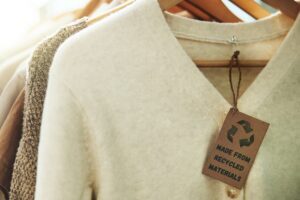
- Textiles: Organic cotton, hemp, or recycled fibers reduce chemical use and waste.
Your choice isn’t just about creativity — it’s also about the environmental story you want your work to tell.
Step 2: Learning and Honing Your Skills
Take workshops, enroll in classes, or apprentice under experienced artisans. As you learn, practice with intention — not just for mastery, but to understand the life cycle of your materials. Ask:
- Where do my supplies come from?
- How can I reuse scraps?
- Are there less wasteful techniques I can adopt?
This mindset will guide you toward building a craft that is not only beautiful but also sustainable.
Step 3: Finding Your Niche
Your niche is the sweet spot where your passion, skills, and values overlap. To refine it:
- Look at your best pieces and ask what unites them.
- Identify the sustainability values you want to communicate — durability, circularity, local sourcing.
- Consider what inspires you — culture, music, landscapes — and infuse that into your designs.
Remember: handmade alone doesn’t equal sustainable. Your niche should reflect both your creative voice and your conscious choices as a maker.
Step 4: Building Your Brand
A strong brand tells a story that people can connect with. For artisans, that story often includes craftsmanship and sustainability. Consider:
- Identity: A name and logo that reflect your values and aesthetic.
- Visual consistency: Use natural palettes, recyclable packaging, and cohesive imagery across platforms.
- Transparency: Share where your materials come from and how your products are made. Consumers increasingly want to know the “why” behind what they buy.
Step 5: Showcasing Your Work
Exposure matters, but so does alignment. Sell and share your work in spaces that reflect your values:
- Craft fairs & markets: Great for meeting conscious consumers face-to-face.
- Online platforms: Marketplaces like Etsy are common, but your own website ensures you control the story.
- Social media: Use visuals to show not only your products but also your process and sustainability commitments.
Pro tip: Educate through your marketing. Show customers why reclaimed wood or natural dyes matter. This turns each sale into an act of advocacy.
Step 6: Balancing Creativity and Business
Turning a craft into a career means balancing artistry with business responsibilities:
- Set goals that reflect both financial needs and sustainability values.
- Manage time so creativity isn’t lost to logistics.
- Price fairly — both for yourself and for customers, accounting for ethical sourcing and craftsmanship.
Collaboration can also help — partner with other artisans, sustainability groups, or local co-ops to expand reach and share resources.
Step 7: Growing Without Losing Your Values
Scaling an artisan business doesn’t mean sacrificing sustainability. You can grow responsibly by:
- Outsourcing selectively (only to partners who share your values).
- Expanding your line with complementary products instead of chasing trends.
- Investing in renewable materials and packaging upgrades.
- Educating customers about repair and care, extending product life instead of pushing replacements.
Final Thoughts
Becoming an artisan isn’t just about creating beautiful objects — it’s about rethinking how we relate to consumption. In a world of mass production, choosing to make and share handmade goods is a way of resisting disposability, honoring resources, and strengthening human connection.
As you develop your niche and build your brand, remember that every decision — from the wood you source to the story you tell — can ripple outward. When artisans lead with creativity and sustainability, they show others that it’s possible to live, work, and consume differently.
Small shifts create ripples. And ripples, over time, can change the tide.