


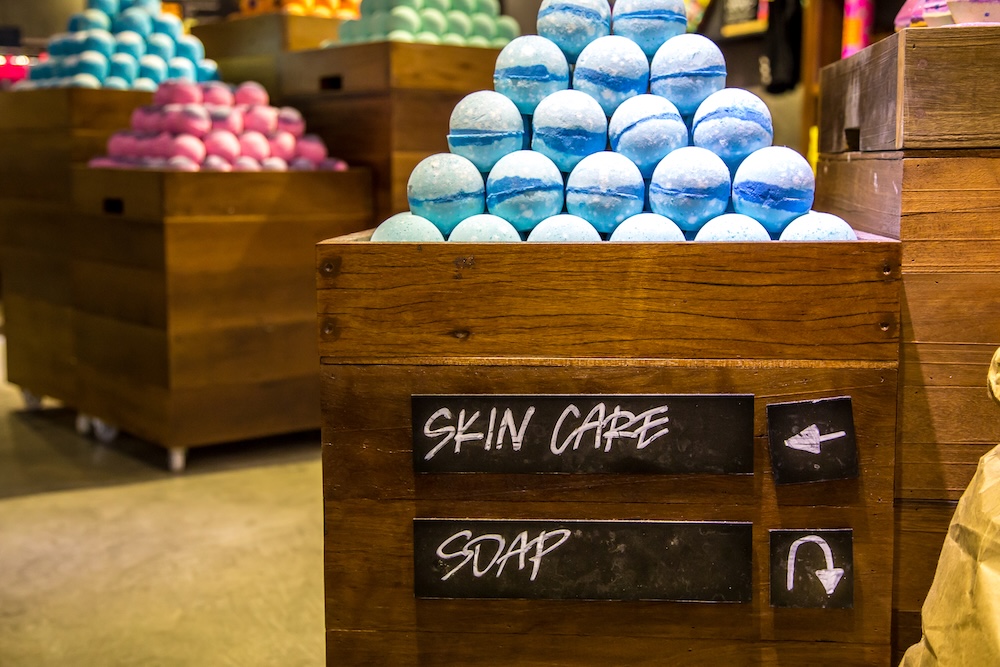
The Hook: Where Beauty Meets Planetary Care
Lush isn’t just a beauty brand — it’s a movement. Founded in 1995, Lush has spent nearly three decades pioneering ethical cosmetics, handmade formulae, and bold activism. What keeps it relevant in 2025 is how it continues evolving: from packaging-free innovation to AI-assisted zero-waste retail, ingredient sourcing that supports biodiversity, and over £100 million donated to grassroots activism.
At a time when consumers demand sustainability, transparency, and ethics, Lush stands out as a brand that consistently tries to match its values with action — while still acknowledging areas to improve.
Background on Lush
Founded in Poole, UK, in 1995, Lush now operates in over 50 countries. Best known for bath bombs, shampoo bars, and skincare, it has always pushed the limits of ethical beauty. From the beginning, its ethos has been simple: products that are good for people and better for the planet.
What’s Changed: Lush 2015 → 2025
Over the last decade, the sustainability landscape — and Lush’s role in it — has shifted significantly:
- 2015: Expanded global recognition for cruelty-free commitments. Launched the “Naked” line, pioneering packaging-free shampoo and soap bars.
- 2017: Began scaling its “Bring It Back” recycling schemes, rewarding consumers for returning used packaging.
- 2019: High-profile “SpyCops” campaign highlighted Lush’s willingness to tackle social justice issues, not just environmental ones.
- 2020–2022: COVID-19 disruption forced Lush to reevaluate supply chains and retail presence. They doubled down on e-commerce and reduced in-store waste.
- 2023–2025: Opened the Green Hub, a UK-based reuse and repair facility that processes over 1,700 tonnes of waste annually. Introduced AI-powered checkout systems for packaging-free products with Google Cloud. Reached the milestone of £100 million in charitable giving through Charity Pot and activist campaigns.
This timeline underscores how Lush has grown from being “the brand with bath bombs” into a model for circular economy leadership in the beauty sector.
Sustainability: Naked, Fresh, Circular
Naked Products & Packaging Reduction
Nearly 50% of Lush’s range is now “naked,” or packaging-free. By selling solid shampoo bars, soaps, and conditioners without bottles, the brand avoids producing millions of plastic bottles annually.
Recyclable & Compostable Packaging
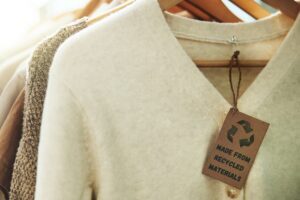
For products that do require containers, 90% of packaging is made from recycled materials, and most are recyclable or compostable. The “Bring It Back” scheme allows customers to return empties for store credit or a free face mask — a small but effective nudge into circular participation.
The Green Hub
At the heart of Lush’s sustainability push is its UK-based Green Hub, which in 2024 alone processed 1,700 tonnes of waste. Materials are sorted, repaired, or repurposed for other uses, ensuring fewer resources go to landfill. This closed-loop model is now inspiring expansions in North America and Asia.
AI-Assisted Sustainability
One challenge for packaging-free products has always been retail checkout. In 2024, Lush partnered with Google Cloud to create AI product recognition systems that identify unpackaged items instantly. This reduces checkout time, cuts in-store demo waste (440,000 liters of water saved annually), and makes a circular economy experience more consumer-friendly.
Ingredients with Purpose
Lush sources ethically, from regenerative sandalwood projects in Australia to fair-trade cocoa butter in Sierra Leone. The company avoids microplastics, palm oil from destructive plantations, and controversially mined mica, instead using synthetic or responsibly mined alternatives.
Ethics: Beyond Beauty
Cruelty-Free at Its Core
From day one, Lush has rejected animal testing, using human volunteers and advanced microbiological safety methods instead. This stance predated many industry regulations and remains central to its identity.
Fair Trade and Worker Rights
Lush maintains strict sourcing standards and publishes information about its supplier partnerships. Still, watchdogs note room for greater transparency on wages and audits across its global supply chain — one of the brand’s ongoing challenges.
Bold Social Stances
Unlike many beauty brands, Lush does not shy away from activism. From campaigns on LGBTQ+ rights to the “SpyCops” initiative, it consistently links beauty to broader cultural justice. While sometimes polarizing, this has built trust among ethically minded consumers who want brands to use their platform for more than profit.
Social Impact: Charity Pot and Grassroots Giving
The £100 Million Milestone
Through its Charity Pot program and related campaigns, Lush has now donated over £100 million to grassroots organizations worldwide. Beneficiaries include animal welfare groups, Indigenous rights campaigns, environmental defenders, and disaster relief efforts.
The Resist Ball
In 2025, Lush marked its activism milestone with the Resist Ball, an event celebrating activist communities, featuring voices like Dylan Mulvaney. This highlighted the brand’s fusion of cultural expression and direct financial support for movements often overlooked by mainstream philanthropy.
Digital Ethics & Conscious Tech
In 2021, Lush left major social media platforms such as Instagram and TikTok, citing concerns over mental health and exploitative digital design. Instead, it invests in ethical digital engagement — hosting its own platforms and applying a Digital Ethics framework that prioritizes privacy, accessibility, and well-being.
Why Lush Still Matters
Lush proves that sustainability in beauty isn’t just about recyclable bottles. It’s about systems change: closed-loop recycling, tech innovations, fair sourcing, social activism, and financial reinvestment in communities.
It’s not perfect — supply chain transparency and global consistency remain areas for growth — but its consistent evolution keeps it one of the most forward-thinking brands in the beauty industry.
FAQs
Is Lush really zero-waste?
Not entirely — but it’s closer than most major cosmetics brands. With nearly half of its products packaging-free and an expanding closed-loop Green Hub system, it’s leading the industry in circular design.
Is Lush vegan?
Many products are vegan, but not all. Lush clearly labels vegan products and continues to expand the range.
What happens to the packaging I return?
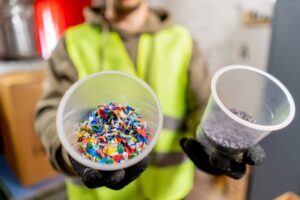
Returned pots, bottles, and containers are sent to the Green Hub, where they are washed, pelletized, and remade into new packaging.
Does Lush still test on animals?
No. Lush has been cruelty-free since inception and remains a global advocate for banning animal testing in cosmetics.
Final Thoughts: Beauty with Impact
Lush shows that beauty can be both indulgent and impactful. By eliminating millions of plastic bottles, pioneering AI-powered circular systems, and donating over £100 million to grassroots causes, Lush continues to set the bar for ethical, sustainable beauty.
It isn’t flawless — but it’s proof that when brands commit to values and iterate boldly, small shifts can ripple outward into global waves of change.