





Founded in 1976 by Anita Roddick, The Body Shop has long been a pioneer in ethical beauty—championing social activism, cruelty-free cosmetics, and sustainability. Under its new ownership since 2024, the brand is undergoing a revival, guided by its founding principles but also facing renewed scrutiny around transparency and environmental leadership.
A Legacy of Ethical Innovation
Community Fair Trade
Since 1987, The Body Shop has sourced key ingredients like shea butter and tea tree oil through fair trade partnerships, delivering economic and social benefits to supplier communities.
Cruelty-Free Leadership
A trailblazer in the fight against animal testing, the brand co-founded the Forever Against Animal Testing campaign in 1989 and achieved global Leaping Bunny certification.
100% Vegan Certification
As of early 2024, the brand’s entire product portfolio is certified vegan by The Vegan Society—making it a standout in the beauty industry.
Packaging and Formulation Commitments
The Body Shop has made bold goals to reduce its packaging impact and promote sustainable formulations.
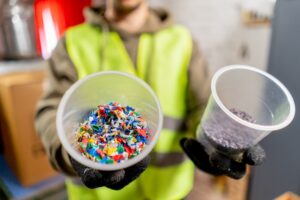
- Circular Packaging: Aiming for 100% recyclable, reusable, or compostable packaging by 2025, with most PET bottles already made from 100% recycled plastic.
- Green Ingredients: The brand continues to increase its use of sustainably sourced, natural-origin ingredients, with a goal of 95% biodegradable rinse-off formulations by 2030.
Youth, Inclusion, and Brand Resilience
Youth Collective Council 2.0
Launched in 2025, this advisory board engages young environmentalists and advocates to guide brand strategy on sustainability, mental well-being, and inclusion.
Reviving the Brand Under New Leadership
After financial challenges and ownership transitions, The Body Shop is reporting a turnaround under the Auréa Group—reaffirming ethical branding while rebuilding operational strength.
Sustainability Progress and Gaps
Where The Body Shop Excels
- Community Fair Trade and ethical sourcing
- Cruelty-free and full vegan certification
- Ingredient education and transparency
- Youth advisory groups promoting inclusion
Areas for Improvement
- Packaging waste continues despite recycled plastic use
- Limited transparency around carbon emissions and climate goals
- Recent ownership shifts disrupted sustainability reporting
- Some products still contain problematic ingredients and virgin plastics
Final Thoughts
The Body Shop remains a beauty industry icon—leading on cruelty-free innovation, ingredient transparency, and social advocacy. Its work on recycled packaging, biodegradable formulas, and ethical sourcing continues that legacy. At the same time, challenges persist: emissions reporting, ingredient scrutiny, and climate accountability must evolve alongside its brand values.
For consumers, The Body Shop represents both hope and reminder: ethical beauty is possible, but it requires ongoing commitment and honesty.

