






Every time a brand drops a controversial ad — one that sparks outrage, division, or emotional harm — the public backlash follows a predictable pattern.
There’s a wave of critique, followed by brand statements like:
- “It was never our intention to offend.”
- “The message was taken out of context.”
- “We were going for something playful.”
- “We didn’t know it would land this way.”
But here’s the thing no one should pretend anymore — they absolutely knew.
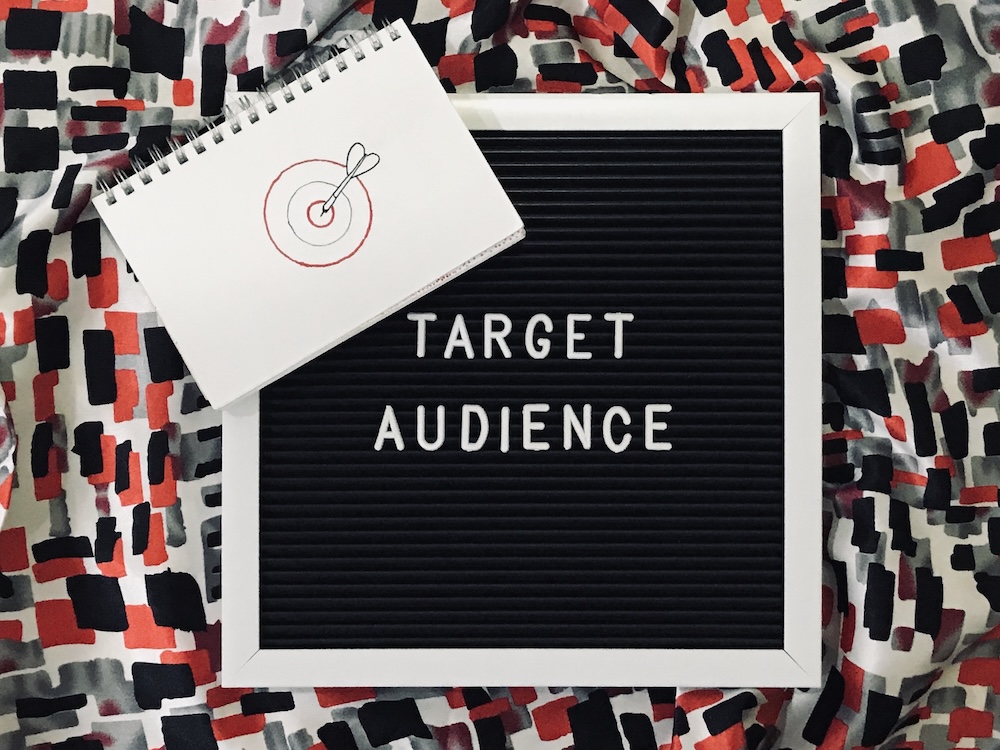
Brands today don’t make decisions in a vacuum. They don’t guess. They don’t wing it. They don’t post a campaign hoping it “just vibes.” They have data. Lots of it.
And when that data is used to guide creative — but not take responsibility for it — what you get is harm dressed up as harmless. You get plausible deniability wrapped in denim.
Let’s stop letting them get away with it.
What Data Do Brands Really Have?
Let’s break it down. Modern brands — especially big retailers and fashion companies — have access to:
- Demographic insights: Age, race, gender, household size, family status, income, education
- Geographic targeting: Regional breakdowns, zip-code-level political leanings, population density, and access to services
- Psychographic profiles: Beliefs, lifestyle preferences, religious affiliations, environmental concern, even “cultural openness”
- Behavioral data: What you click on, how long you hover, which products you abandon, which content you engage with
- Third-party matchups: What other brands you shop, what media you consume, what causes you support
And yes — through third-party services and sophisticated CRM tools, brands can even correlate buying patterns with political affiliation, racial identity proxies, and attitudes toward social justice movements.
They don’t just know what you buy — they know who you are, what you care about, and how you react.
So when a campaign goes live, especially one as layered as American Eagle’s recent “great genes” ad, the idea that it was “just a pun” or “just a creative idea” rings false. It was built with knowledge. It was reviewed with insight. And it was launched with intention — even if that intention was to provoke without taking responsibility.
Data Isn’t the Problem. Denial Is.
Audience data in itself isn’t evil. In fact, when used ethically, it can:
- Help brands reach underserved audiences
- Make products more inclusive and accessible
- Identify gaps in representation
- Support social and environmental alignment
But when brands use this data to manipulate — then pretend they’re surprised when it backfires — that’s not strategy. That’s cowardice.
It’s one thing to take a bold stance and own the consequences.
It’s another to exploit existing tensions, capitalize on controversy, and then say, “We didn’t know.”
They knew.
The Strategy Behind “Accidental” Controversy
Let’s not forget: controversy drives engagement. Outrage spreads fast. People share what shocks them. Marketing teams know this. Executives know this. CMOs know this.
Many brands now intentionally lean into polarizing content to trigger strong emotional reactions — especially when they know their audience will split. The goal?
- Virality
- Free press
- Cultural relevance
- Tribal loyalty (“You’re with us or against us”)
- Sales spikes — even if they don’t last
It’s engineered risk, with plausible deniability baked in.
And when a campaign lands poorly, the apology becomes a strategy of its own — delivered just late enough to maximize impressions but early enough to avoid permanent damage.
The result? Attention without accountability.
Let’s Talk About American Eagle
American Eagle’s “great genes” campaign is a case study in what happens when messaging meets manipulation.
A blonde, blue-eyed actress. A double entendre referencing both denim and genetic “greatness.” A marketing rollout wrapped in Americana-style nostalgia.
It’s impossible to separate that from the broader cultural implications — racialized beauty standards, eugenics-adjacent language, and a coded wink to people who view heritage as hierarchy.
American Eagle knows its data. They know what percentage of their customers live in red-leaning zip codes. They know what media those customers consume, what values they’re influenced by, and which demographics spend the most.
This wasn’t just tone-deaf — it was strategically “on-tone” for a segment of their base.
And when backlash came? They claimed the message was misunderstood. Just a pun. Just denim.
But if you know who you’re marketing to — and you still go forward — then what you’re doing isn’t innocent. It’s targeted.
So Why Do We Let Brands Off the Hook?
Part of the reason brands keep getting away with it is because they position themselves as neutral. They act like:
- They’re just making art
- They’re just selling clothes
- They can’t control how people interpret things
- Everyone’s too sensitive now
This posture protects them. It plays into the myth that advertising is apolitical. That beauty is universal. That storytelling is pure.
But there’s no such thing as neutral advertising in a world shaped by race, class, gender, and inequality. Every casting choice, every tagline, every campaign concept is rooted in something — and when that “something” excludes, exploits, or erases, brands must be held accountable.
What Responsibility Really Looks Like
If brands truly want to do better, they need to:
- Acknowledge that data-informed creative has ethical consequences
- Hire diverse decision-makers who can catch harm before it’s published
- Use audience insights to build bridges, not echo chambers
- Take real accountability when they mess up — not just PR-crafted apologies
- Shift from reactive apology to proactive awareness
And consumers? We need to keep asking questions like:
- Who benefits from this message?
- Who’s being excluded or tokenized?
- What’s the brand’s actual track record on ethics and equity?
- Are they listening — or just managing optics?
Conscious Culture Demands More
We are not passive recipients of messaging anymore. Consumers are watching. Activists are analyzing. Young people are refusing to accept ads that don’t reflect their values.
We want:
- Inclusion with integrity
- Messaging that uplifts, not manipulates
- Fashion that values people and planet — not just impressions and profits
- Storytelling that reflects everyone, not just the same curated aesthetic
And we want brands to stop playing dumb.
You have the data.
You made a choice.
Own it — or do better.
Final Word
We’re not mad because you made a pun. We’re calling you out because you used data to build a campaign rooted in exclusion — and then pretended it was harmless.
You knew.
And we know too.
So if you’re going to use data to guide your story — use it to tell the truth. Use it to repair. Use it to represent. Use it to lead.
Or don’t use it at all.

