






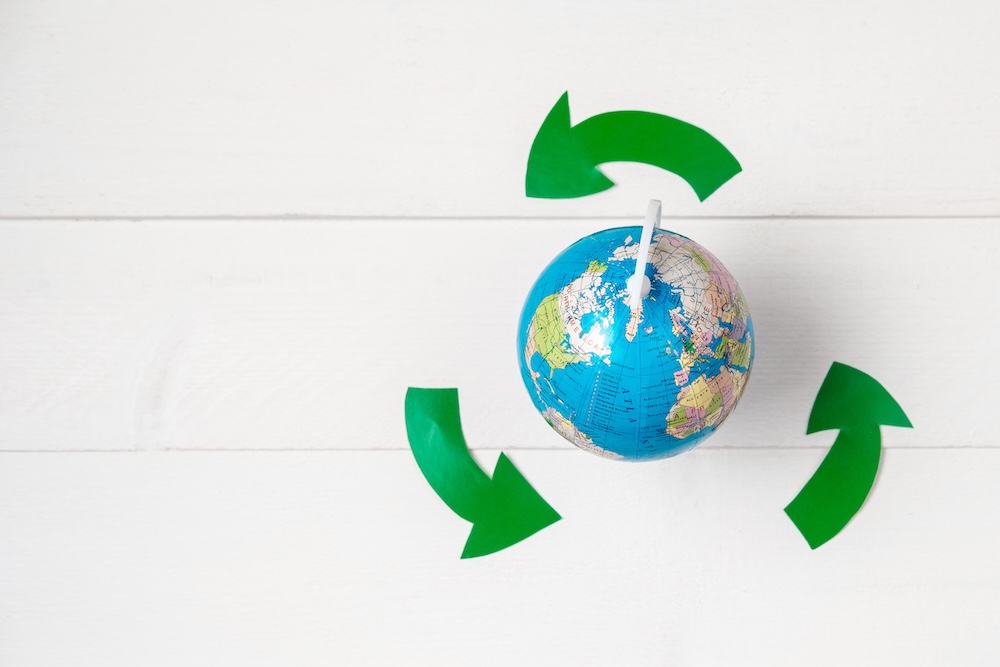
The promise of a circular economy is simple: keep materials in use for as long as possible, design out waste, and regenerate natural systems. But how much progress has actually been made? Despite ambitious pledges from governments and corporations, the truth is sobering. Today, only a small fraction of the world’s resources are kept in circulation.
The Current State of Circularity
Global Numbers
According to the Circularity Gap Report 2024, only 7.2% of the global economy is truly circular. That means more than 90% of extracted materials — from plastics and metals to textiles and electronics — are used once and then discarded or lost.
Why the Numbers Are So Low
- Linear infrastructure: Most industries are still designed for take–make–waste.
- Low recycling rates: Only 9% of plastics are recycled globally.
- Downcycling: Materials like textiles and plastics often lose quality when reused, limiting future utility.
- Consumer habits: Convenience-driven choices often outweigh reuse or repair.
Sectors Leading in Circularity
Packaging
Recycled paper and cardboard are relatively successful in circulation, with recycling rates above 60% in many regions. But plastics remain a major gap.
Metals
Aluminum and steel recycling have higher recovery rates, with aluminum reaching 75% globally due to its infinite recyclability.
Fashion
Less than 1% of clothing is recycled back into clothing, though resale and rental platforms are expanding.
Electronics
E-waste is one of the fastest-growing waste streams, with less than 20% formally recycled. Programs for device take-backs are still in early stages.
Why Increasing Circulation Matters
Climate Benefits
Every ton of material kept in circulation reduces the need for virgin resource extraction and lowers emissions. Recycling aluminum, for example, saves up to 95% of the energy required to make it new.
Resource Security
Circular systems reduce dependence on raw material extraction, creating resilience against supply chain shocks.
Waste Reduction
By extending product life through repair, resale, and recycling, less waste ends up in landfills or oceans.
What’s Changing
- Corporate pledges: Major brands are setting goals for recycled content and take-back programs.
- Policy action: The EU Circular Economy Action Plan and state-level U.S. initiatives are pushing stricter recycling and reuse standards.
- Consumer shifts: Growing demand for resale fashion, secondhand electronics, and refillable packaging is nudging markets toward circularity.
FAQs
Why is circularity still so low worldwide?
Because most systems are still built for single-use, recycling infrastructure is limited, and economic incentives favor virgin materials.
Which materials are easiest to keep in circulation?
Metals like aluminum and steel, because they can be recycled indefinitely without losing quality.
Can consumers help increase circulation?
Yes. Choosing secondhand, repairing instead of replacing, and supporting refill and recycling programs all increase circulation.
Final Thoughts
With only 7.2% of resources currently in circulation, the circular economy is far from reaching its potential. But every refillable bottle, repaired shoe, or recycled can adds momentum. Expanding circular practices across industries will be essential to tackling climate change, conserving resources, and shifting away from a disposable culture.
Small shifts — buying secondhand, repairing products, or supporting brands with circular commitments — create ripples that increase circulation. Those ripples grow into waves that transform our global economy from linear to regenerative.