



Timber has been part of human life for millennia. We build with it, write on it, burn it for fuel, and shape it into everything from furniture to packaging. But today, much of the timber we use is “virgin timber” — freshly cut from forests rather than reused, reclaimed, or recycled.
While wood itself is renewable, unsustainable demand for virgin timber is one of the major drivers of deforestation, biodiversity loss, and climate change. Understanding when using virgin timber makes sense — and when it does not — is essential for protecting forests and creating a circular economy.
What Is Virgin Timber?
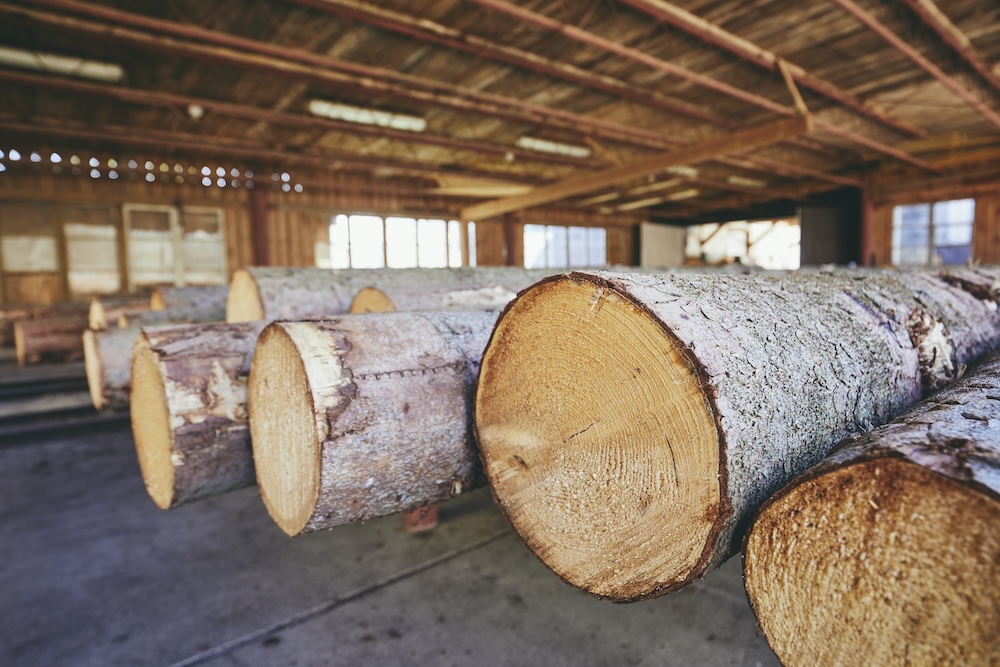
Virgin timber is wood harvested directly from forests that has never been used or processed before. It’s the opposite of reclaimed or recycled wood.
It’s widely used in:
- Construction: beams, panels, flooring.
- Furniture: cabinets, tables, mass-market products.
- Paper and packaging: cartons, printing, tissues.
- Fuelwood and biomass: burned for heat or energy.
Globally, virgin timber accounts for the vast majority of wood entering supply chains.
Why Virgin Timber Harms
The impacts of virgin timber extraction depend on how and where it is sourced. Too often, the consequences are devastating:
- Deforestation: Roughly 10 million hectares of forest are lost every year, often cleared for timber or cattle ranching.
- Climate change: Forest loss contributes nearly 12% of global greenhouse gas emissions by releasing stored carbon.
- Biodiversity collapse: Tropical hardwood logging destroys habitats for species like orangutans, tigers, and jaguars.
- Soil and water degradation: Logging destabilizes soils, increases erosion, and pollutes waterways with runoff.
- Wasteful use: Virgin timber often goes into disposable items like paper, packaging, and cheap furniture that isn’t built to last.
In short: forests are cut down for products designed to be thrown away.
When Virgin Timber Makes Sense
There are circumstances where virgin timber is the right choice:
- Sustainably certified timber: Wood from FSC- or PEFC-certified forests, managed for regeneration and biodiversity.
- Critical construction uses: High-strength beams or engineered wood products where reclaimed wood cannot provide structural reliability.
- Long-life products: Durable furniture or buildings designed to last generations, where virgin wood is locked into long-term use rather than disposable items.
- Local sourcing: Timber harvested locally under responsible practices, reducing transport emissions and supporting community forestry.
Virgin timber isn’t inherently bad — but wasteful, short-term, or uncertified use is.
Alternatives to Virgin Timber
Reclaimed and Recycled Wood
- Salvaged from old buildings, barns, or discarded products.
- Often stronger than new wood due to age and density.
Engineered Wood
- Cross-laminated timber (CLT) and other composites use smaller wood pieces efficiently.
- Can replace concrete or steel in construction, lowering carbon footprints.
Non-wood Substitutes
- Bamboo, cork, hemp, and agricultural residues can replace virgin timber in some applications.
- Circular furniture and paper systems emphasize reuse and recycling.
Each alternative reduces pressure on forests by extending material life and shifting away from “take-make-waste.”
The Waste Problem
- Nearly 40% of all wood harvested globally is used for fuel, often burned inefficiently.
- The paper industry consumes vast amounts of virgin pulp, much of which becomes single-use packaging or disposable tissues.
- In construction, offcuts and inefficiencies mean significant waste of harvested timber.
These uses highlight how virgin timber is too often squandered in short-lived or throwaway products.
The Bigger Picture: Protecting Forests
- Forests are critical carbon sinks, storing over 289 gigatons of carbon in biomass alone.
- Indigenous communities rely on forests for culture, food, and livelihoods.
- Preserving forests is one of the most cost-effective ways to mitigate climate change.
Reducing demand for virgin timber is about more than materials — it’s about keeping ecosystems alive.
What Consumers Can Do
- Choose certified wood: Look for FSC or PEFC labels.
- Prioritize reclaimed: Buy furniture or building materials made from salvaged timber.
- Support paper recycling: Use recycled-content notebooks, packaging, and tissue.
- Avoid disposable wood: Say no to single-use chopsticks, cheap furniture, and throwaway packaging.
Every decision to reuse, repair, or recycle reduces demand for virgin forests.
FAQs
Is virgin timber always unsustainable?
No. Responsibly managed forests can supply renewable timber, but unsustainable logging drives deforestation and climate change.
Is bamboo better than wood?
Often, yes. Bamboo grows faster than timber and can substitute for many wood products, though sustainability depends on farming practices.
Why not plant more trees?
Reforestation helps, but it cannot replace the complexity and carbon-storing capacity of old-growth forests destroyed by virgin timber logging.
Is recycled paper really better?
Yes. It reduces demand for virgin pulp and keeps fiber in use longer.
Final Thoughts
Virgin timber is not just a material — it’s a choice with planetary consequences. Used responsibly in durable, long-term products, it can be part of sustainable living. But when forests are stripped for disposable packaging, short-lived furniture, or inefficient fuel, virgin timber becomes a driver of deforestation, climate change, and biodiversity loss.
Forests are not an infinite resource. By valuing reclaimed wood, demanding certification, and questioning the need for virgin timber, we can keep ecosystems intact and carbon safely stored. Choosing circular systems over virgin extraction is choosing life — for forests, for species, and for ourselves.

