






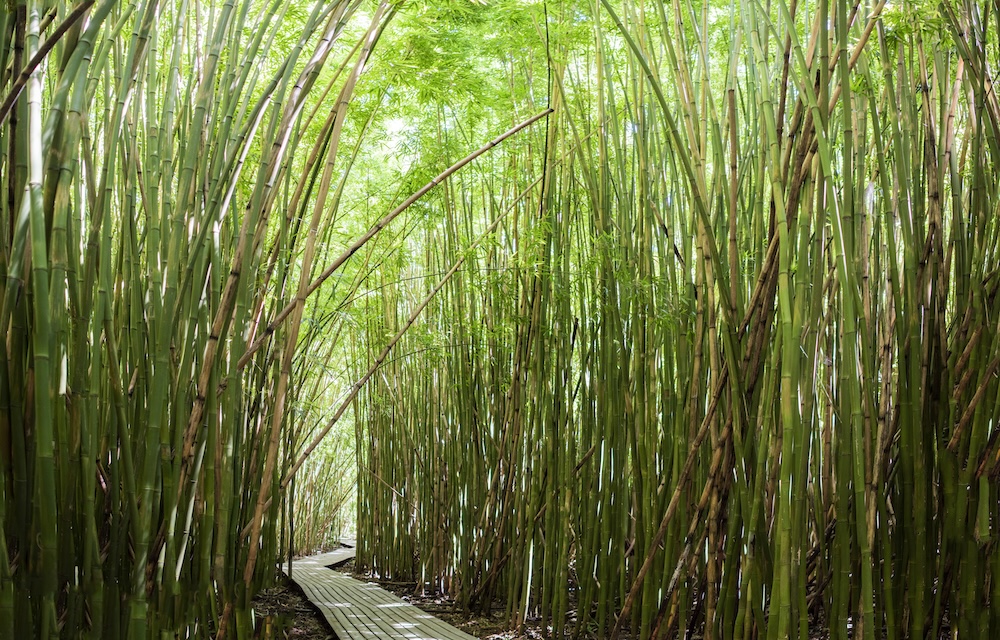
Bamboo has become a symbol of sustainability — fast-growing, renewable, and often marketed as an eco-friendly alternative to wood, plastic, or even steel. But is bamboo really the climate hero it’s made out to be? Or is it just another greenwashed band-aid on deeper environmental wounds?
Let’s explore bamboo’s true role in the climate conversation — the benefits, the drawbacks, and what makes the difference.
Why Bamboo Is Considered a Climate Solution
1. It Grows Incredibly Fast
Some species of bamboo can grow up to 3 feet per day. This rapid growth rate means it can be harvested more frequently than trees — making it a renewable resource that doesn’t require deforestation.
2. It Absorbs Carbon Efficiently
Bamboo absorbs CO₂ at rates comparable to fast-growing trees — and in some cases, even more. One hectare of bamboo can reportedly sequester up to 12 tons of CO₂ per year, depending on species and climate.
3. It Restores Degraded Land
Bamboo’s root system is excellent at stabilizing soil and preventing erosion. This makes it useful for restoring degraded land, especially in tropical regions where forests have been cleared.
4. It Requires No Replanting
After cutting, bamboo regrows from the same root system, eliminating the need to replant and reducing soil disturbance.
5. It Has Versatile Uses
Bamboo can replace plastic (e.g., utensils, toothbrushes), steel (in construction), and even cotton (in fabrics). These uses help reduce pressure on more carbon-intensive industries.
But Here’s the Problem: Bamboo Isn’t Automatically Sustainable
1. Monoculture Bamboo Plantations
In places like China and Southeast Asia, large tracts of land have been cleared to plant bamboo monocultures — sometimes replacing diverse ecosystems or native forests. This can lead to:
- Loss of biodiversity
- Soil degradation
- Habitat destruction for native species
2. Industrial Processing Can Be Dirty
While raw bamboo is eco-friendly, many bamboo textiles (like bamboo rayon or viscose) require harsh chemical processing — involving toxic solvents like carbon disulfide. These chemicals are harmful to both workers and ecosystems if not properly managed.
3. Long-Distance Shipping
Much of the bamboo used in Western products is grown and processed overseas, then shipped thousands of miles — which adds carbon emissions to the supply chain.
4. Not Always the Best Local Solution
In some regions, local, native plants or regenerative agriculture might be more climate-resilient than importing or planting bamboo. Context matters.
So Is Bamboo a Solution or a Problem?
Bamboo is a powerful tool — but it’s not a silver bullet. When grown responsibly and used in place of more harmful materials, bamboo can absolutely contribute to climate mitigation, reforestation, and sustainable product design.
But when grown in monocultures, chemically processed, or greenwashed for profit, bamboo can do more harm than good.
What to Look for in Climate-Friendly Bamboo
- Source transparency: Is it grown organically and responsibly?
- Processing method: Mechanically processed bamboo (used in flooring and construction) is generally better than chemically processed rayon.
- Certifications: Look for FSC (Forest Stewardship Council) or organic certifications.
- Local alternatives: Sometimes native grasses, trees, or recycled materials are better suited for the local ecosystem.
Final Thoughts: Bamboo Is a Mirror
Bamboo isn’t inherently good or bad — it reflects how we use it. It can either represent our shift toward circular, regenerative systems, or our tendency to exploit the next resource without changing our mindset.
In the climate crisis, tools like bamboo can help — but only if we wield them wisely.

