






When we think of extreme weather, we picture hurricanes, tornadoes, wildfires, and record-breaking heatwaves. But the climate crisis is creating and amplifying lesser-known weather phenomena that can be just as destructive — sometimes more so because they catch communities off guard. While these events may not dominate headlines yet, scientists warn they’re becoming more frequent and severe.
1. Atmospheric Rivers
Imagine a river in the sky, carrying more water than the Amazon — and dumping it all in one place. Atmospheric rivers are narrow bands of moisture that can unleash catastrophic rainfall and flooding when they make landfall. They’ve already caused billions in damages in California and parts of Europe, and warming oceans are making them stronger.
2. Ice Storms in Unusual Places
While global temperatures are rising, certain regions will still experience extreme cold events due to disrupted polar jet streams. This can lead to crippling ice storms in places that rarely see them, coating infrastructure in thick ice, collapsing power lines, and making roads impassable for days.
3. Wet-Bulb Heat Events
This is the heat scientists fear most. A “wet-bulb” event happens when high temperature and humidity combine to a point where the human body can’t cool itself by sweating. Just a few hours of exposure can be fatal, and regions like South Asia and the Gulf Coast are already nearing these limits.
4. Dust Storms from Desertification
As drought expands and vegetation cover disappears, dust storms can form in areas that never used to see them. These storms reduce visibility to near zero, damage lungs, and can travel hundreds of miles, depositing fine particles on crops, cities, and even polar ice.
5. Flash Droughts
Unlike traditional droughts that build over months or years, flash droughts strike in a matter of weeks. They’re driven by sudden spikes in heat and drops in rainfall, devastating crops before farmers have time to react. Parts of the U.S. Midwest, Australia, and China are already seeing this pattern.
6. Hail Megastorms
We’re not talking about golf-ball-sized hail — we’re talking hailstones larger than baseballs that can smash roofs, cars, and even injure livestock. Some storms produce so much hail that it accumulates like snowdrifts, shutting down roads for hours. Warmer air can hold more moisture, which can feed these extreme hail events.
7. Glacial Lake Outburst Floods
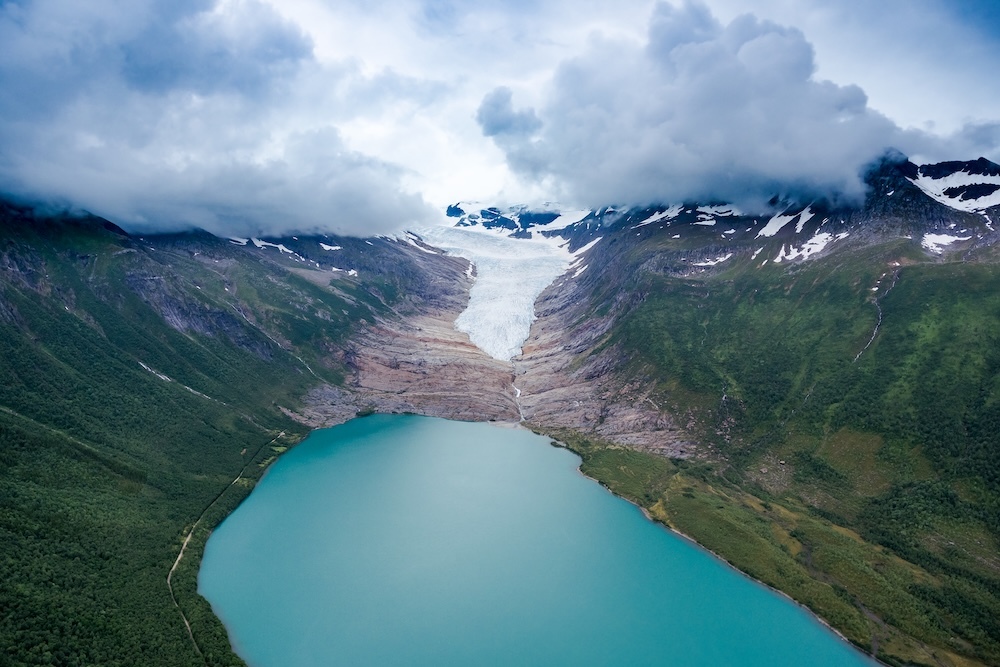
As glaciers melt, they form unstable lakes behind walls of rock and ice. When these walls collapse, a massive surge of water and debris races downstream, wiping out villages and infrastructure in minutes. These events are a growing threat in the Himalayas, Andes, and Alaska.
Final Thoughts
These less-discussed weather extremes show how climate change isn’t just turning up the volume on the storms we already know — it’s introducing new hazards into the mix. By understanding and preparing for them now, we can avoid being blindsided later. Staying informed means staying resilient in an era where the unexpected is becoming the norm.