






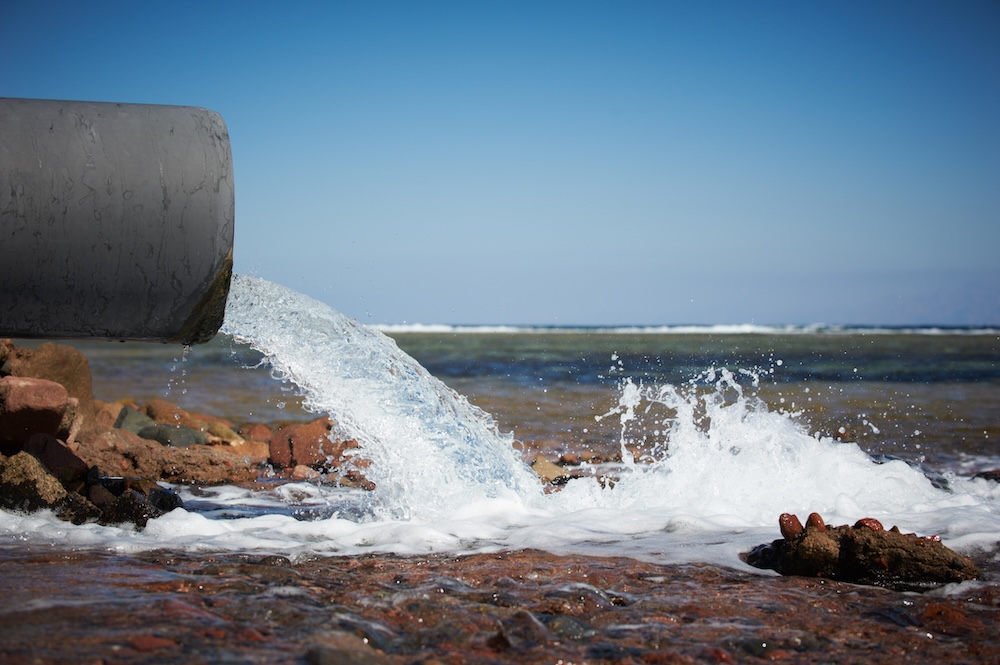
Rain doesn’t fall on a vacuum. It flows across fields, roads, lawns, and cities — picking up everything in its path. Fertilizers, oil, pesticides, heavy metals, plastics, and chemicals all travel with runoff, carrying contamination into rivers, lakes, soils, and oceans.
Runoff is one of the most overlooked sources of pollution. It doesn’t come from a smokestack or a single pipe, but from countless surfaces, invisible until the damage shows up as toxic algae blooms, poisoned groundwater, or rising cancer rates near water supplies.
Understanding the different types of runoff is key to tackling contamination at its source.
Agricultural Runoff
- Fertilizers: Excess nitrogen and phosphorus wash into waterways, fueling algal blooms and creating “dead zones” where oxygen is depleted.
- Pesticides and herbicides: Toxic chemicals travel from crop fields into rivers and groundwater, harming aquatic life and contaminating drinking water.
- Animal waste: Industrial livestock operations produce massive amounts of manure that leak into soils and waterways, carrying pathogens and nutrients.
- Soil erosion: Topsoil washed off fields carries sediments that smother aquatic habitats and reduce water clarity.
Why it matters: Agriculture runoff is one of the largest global contributors to water contamination and biodiversity loss.
Urban Runoff
- Stormwater from cities: Heavy rains wash oil, gasoline, road salts, litter, and chemicals from streets into storm drains.
- Household chemicals: Lawn fertilizers, pesticides, paints, and cleaners all add toxins to urban runoff.
- Plastic waste: Microplastics from synthetic turf, textiles, and packaging flow into sewers and rivers.
Why it matters: Urban runoff carries a toxic cocktail straight into waterways, often untreated.
Road and Highway Runoff
- Vehicle fluids: Oil, antifreeze, and fuel leaks accumulate on pavement, washed away with rain.
- Tire wear: Tiny synthetic rubber particles shed from tires are one of the largest global sources of microplastics.
- Brake dust: Heavy metals like copper, lead, and zinc accumulate in soils and waterways along roads.
- De-icing chemicals: Road salts contaminate freshwater ecosystems, altering water chemistry and killing sensitive species.
Why it matters: Road runoff links transportation directly to pollution, invisibly connecting mobility with environmental harm.
Industrial Runoff
- Mining sites: Acid mine drainage leaches toxic metals into rivers and groundwater.
- Factories and warehouses: Chemicals stored outdoors or spilled onsite can be swept into local streams.
- Construction sites: Sediment, solvents, paints, and treated wood fragments wash into surrounding land and water.
Why it matters: Industrial runoff is often highly toxic and concentrated, creating localized contamination hotspots.
Residential Runoff
- Lawn fertilizers and pesticides: Everyday landscaping products wash into local streams.
- Pet waste: Dog and cat feces contribute bacteria and nutrients to waterways.
- Detergents and soaps: Outdoor washing of cars, driveways, or decks adds surfactants and chemicals.
Why it matters: Individually small, residential runoff compounds into large-scale contamination across neighborhoods and cities.
Why Runoff Is So Harmful
- Diffuse source: Unlike factory pipes, runoff is non-point-source pollution, making it harder to track and regulate.
- Cumulative load: Each rainfall event adds more chemicals, sediments, and toxins into waterways.
- Ecosystem collapse: Runoff alters water chemistry, reduces oxygen, kills fish, and poisons food webs.
- Human health: Polluted drinking water and contaminated crops carry long-term health risks.
FAQs
Why is agricultural runoff such a big problem?
Because farms cover vast areas, and fertilizers and pesticides are applied in large volumes. Even small percentages washing away add up to massive loads of pollution.
Can stormwater treatment plants remove runoff pollution?
Most stormwater systems do not treat runoff. They channel it directly into rivers, lakes, or oceans.
Are road microplastics really significant?
Yes. Tire wear is now considered one of the largest single sources of microplastic pollution globally.
What’s the difference between runoff and wastewater?
Wastewater comes from pipes and drains; runoff flows across surfaces, often untreated and uncontrolled.
Final Thoughts
Runoff is pollution in motion. It doesn’t wait for a permit or a smokestack — it flows quietly through every rainfall, snowmelt, and irrigation cycle. Agriculture, cities, roads, industry, and homes all contribute to this invisible flood of contamination.
Runoff is proof that pollution doesn’t start in rivers or oceans. It starts on the land and in our daily lives. Retraining awareness to see runoff not as “just rainwater” but as a carrier of toxins changes how we act, regulate, and design. To stop contamination, we must stop blindness to what the rain carries away.

