






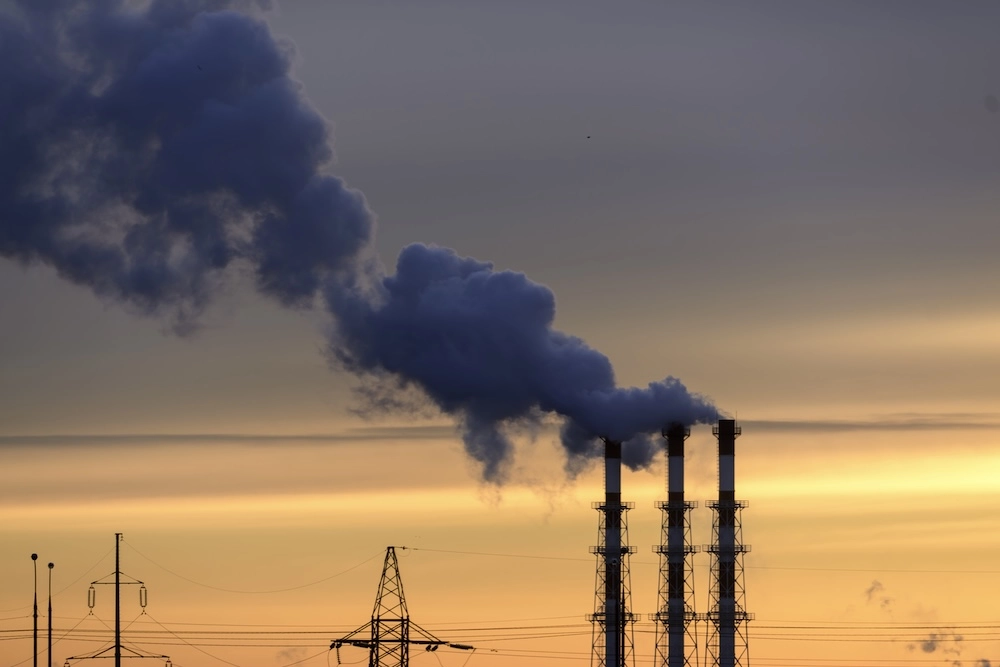
Point source pollution is pollution with an address.
It’s the discharge you can trace to a specific pipe, ditch, outfall, smokestack, lagoon overflow, or leachate system—a single, identifiable conveyance where waste leaves a facility and enters the world. Regulators call it “point source” because you can point to it. Communities often experience it as something simpler:
somebody’s waste, released into shared air and water.
And the consequences aren’t abstract. Point source pollution can drive algae blooms and dead zones, contaminate drinking water sources, load rivers with chemicals that persist for decades, and concentrate toxic exposure in communities that didn’t consent to being downwind or downstream.
This post “calls it what it is” without drifting into hype: point source pollution is the managed (and sometimes permitted) release of pollutants from a known source—and managing it well means designing systems that prevent waste in the first place.
What “point source” really means
In U.S. water law, a point source is defined broadly as any discernible, confined, and discrete conveyance—including things like pipes, ditches, channels, conduits, wells, containers, vessels, and concentrated animal feeding operations (CAFOs)—from which pollutants may be discharged. It explicitly excludes agricultural stormwater and return flows from irrigated agriculture.
In plain language:
- If pollution comes from one place you can identify and permit, it’s point source.
- If it comes from many diffuse places (like runoff from countless lawns and roads), it’s nonpoint source.
Point sources are often “easier” to regulate than nonpoint sources because you can locate them, measure them, and set limits. But “easier” doesn’t mean solved—especially when enforcement is uneven, monitoring is limited, or legal standards shift.
The real environmental consequences
Point source pollution reshapes ecosystems through a handful of common pathways. The same facility can trigger several at once.
Nutrient overload and oxygen collapse
Wastewater and industrial effluent can carry nitrogen and phosphorus. When too many nutrients enter rivers, lakes, and coastal waters:
- algae can grow explosively
- decomposition consumes oxygen
- fish and invertebrates suffocate or flee
- ecosystems shift toward fewer, hardier species
Nutrient pollution is consistently highlighted as a major driver of water-quality degradation and ecosystem harm worldwide.
Toxic stress and long-lived contamination
Industrial discharges can include heavy metals, solvents, PFAS and other persistent chemicals (depending on sector), and complex mixtures that are difficult to fully characterize. Even when individual chemicals are below a limit, the combined “chemical stress” can:
- disrupt reproduction and development in aquatic life
- bioaccumulate up food chains
- compromise drinking water safety if treatment systems aren’t designed for the contaminant mix
- create long-term sediment contamination that remains after a facility upgrades or closes
Thermal pollution
Power plants and industrial facilities may discharge heated water. Warmer water holds less oxygen and can:
- stress cold-water species
- shift stream ecology
- amplify algae growth and bacterial activity
Pathogens and sanitation failures
Sewage discharges—especially during overflow events—can introduce pathogens and reduce recreational and drinking-water safety. Even “treated” wastewater can become a problem when systems are overwhelmed or underfunded.
Air pollution from identifiable stacks and vents
Point sources exist in air pollution too. Large stationary sources—factories, refineries, boilers, power plants—can emit sulfur dioxide, nitrogen oxides, particulate matter, hazardous air pollutants, and greenhouse gases.
The harm isn’t just “smog.” It can include:
- asthma and cardiovascular impacts from fine particles
- localized deposition of toxics
- cumulative exposure in neighborhoods already burdened by multiple pollution sources
The core pattern is the same: a known source, a measurable release, and real impacts that concentrate in specific places.
“Permitted” doesn’t mean harmless
One of the most important truths to state clearly—without greenwash and without exaggeration—is this:
A discharge can be legal and still be environmentally damaging.
Permit systems are designed to limit pollution, but they often function as “best available control” frameworks rather than “zero harm” guarantees. Two reasons this matters:
- Technology-based limits can lag behind emerging science or new contaminant concerns.
- Water-quality goals can be hard to meet when a watershed already carries heavy cumulative load from multiple sources.
So yes, regulation matters—and it has prevented enormous harm. But relying only on permits is a ceiling, not a finish line.
Where point source pollution shows up most
Point sources are not only “big factories.” They include many systems people rarely picture when they hear “pollution.”
Wastewater treatment plants and sewer overflows
Municipal treatment plants are point sources by design: they gather waste and discharge treated effluent. They also generate sludge/biosolids, which create additional environmental decision points.
When storms overwhelm combined sewer systems, overflow events can discharge untreated sewage. That’s not just an odor problem; it’s a human and ecosystem health issue.
Industrial facilities and process water
Different industries generate different waste streams:
- food processing can be high in nutrients and organic load
- pulp and paper can involve oxygen-demanding effluent and chemical byproducts
- mining and metal processing can involve heavy metals and acidic drainage
- chemical manufacturing can produce complex mixtures requiring specialized treatment
Stormwater drainage systems
Urban stormwater systems can be point sources when they discharge through a discrete outfall—even though much of the pollution originates from diffuse surfaces upstream. This is a key gray area: a point source “exit” for pollution that was created across an entire landscape.
CAFOs and manure management systems
Concentrated animal feeding operations can qualify as point sources under law when they discharge pollutants through defined conveyances. This is where the sustainability lens matters: the environmental burden includes nutrients, pathogens, ammonia, and greenhouse gas emissions tied to feed and manure systems.
Landfills and leachate collection systems
Landfill leachate—water that picks up contaminants as it percolates through waste—can be managed through collection systems that qualify as point sources. The takeaway is uncomfortable but important:
When waste is landfilled, pollution pathways don’t end. They shift.
Sustainability lens: the real fix is less waste, not better dumping
If you want a circular economy frame that’s honest, it’s this:
Point source pollution is a symptom of linear design.
Extract → manufacture → use → discard → treat the leftovers.
Permits manage the leftovers. Circular thinking prevents them.
Here are the most meaningful “upstream” strategies—actions that reduce pollution at the source rather than polishing it at the end.
1) Redesign processes to prevent waste streams
This is where the biggest gains usually live.
- substitute less hazardous inputs where feasible
- reduce water use through closed-loop rinsing and countercurrent washing
- capture and reuse process chemicals rather than flushing them out
- eliminate unnecessary additives and stabilize recipes to reduce batch failures
The goal is simple: fewer pollutants entering the treatment system means fewer pollutants leaving it.
2) Close the loop on water
Water reuse can be a powerful circular lever when done safely and transparently.
- treat process water to a standard appropriate for reuse
- reuse water for non-potable applications where fit-for-purpose standards allow
- recover heat and energy from wastewater streams when feasible
Globally, wastewater is often treated as “waste” rather than as a recoverable resource. That mindset is expensive, water-intensive, and increasingly fragile under climate stress.
3) Recover nutrients instead of exporting them as pollution
When nutrients (nitrogen and phosphorus) become “pollution,” it’s often because a system failed to recover value.
Circular alternatives include:
- nutrient recovery from wastewater (where appropriate and safe)
- manure processing systems that reduce runoff risk and stabilize nutrients
- precision dosing in industrial processes to minimize nutrient losses
This is not a romantic solution. It requires infrastructure, monitoring, and safeguards. But it is the difference between “we dilute it” and “we redesign it.”
4) Replace end-of-pipe thinking with total load thinking
A facility can meet permit limits and still contribute to ecological collapse if the watershed is already overloaded. Circular thinking widens the frame:
- How much total nutrient load can the river handle?
- How many dischargers share the same receiving water?
- What happens during storms, droughts, and heatwaves?
This matters more each year as climate volatility increases—because the same discharge can be far more damaging in low-flow or high-temperature conditions.
5) Stop treating environmental harm as “someone else’s problem”
Point source pollution often concentrates burdens in specific places—downstream, downwind, and usually near communities with less political power. Sustainability without dignity is incomplete.
If a system’s benefits are distributed broadly but the harm is concentrated locally, the system is not functioning ethically—even if it is technically compliant.
What to look for in real-world accountability
If you want to evaluate whether a facility, municipality, or sector is serious about reducing point source pollution, look for signals beyond marketing.
Strong signals
- transparent discharge monitoring and reporting
- investments in upstream pollution prevention, not only end-of-pipe controls
- clear plans for storm resilience and overflow prevention
- meaningful community engagement (not just announcements)
- measurable reductions over time, not just “commitments”
Weak signals
- vague “eco-friendly operations” claims with no monitoring data
- reliance on offsets or unrelated sustainability projects while core discharges remain unchanged
- “compliance” framed as proof of harmlessness
- refusal to disclose what’s being discharged and why
What’s Changed
Point source pollution hasn’t changed—pipes still discharge—but the context around it has.
Regulation is facing new pressures
In the U.S., recent legal decisions have increased scrutiny on how water-quality requirements are written and enforced in permits, potentially narrowing certain approaches regulators used to ensure receiving waters actually meet standards. That raises a real sustainability question:
If permits focus only on what leaves the pipe, how do we protect what the water body must become?
New contaminants are forcing old systems to adapt
Traditional wastewater treatment was designed for conventional pollutants (nutrients, oxygen demand, pathogens). Emerging contaminants and complex industrial mixtures challenge that model and push the need for upstream prevention, safer chemistry, and better monitoring.
Climate volatility amplifies impacts
Drought reduces dilution. Heat increases stress. Storms overwhelm systems and trigger overflow events. Point source pollution becomes more damaging under extremes—meaning “acceptable” discharge levels in stable conditions can become ecologically disruptive in unstable ones.
Practical steps that reduce harm
These actions scale from individual influence to community-level change. Not all are available to every reader, so consider them as a menu.
If you’re a resident or consumer
- Support local investment in wastewater infrastructure and overflow prevention
- Ask your municipality how it handles storm events and overflow risks
- Reduce household chemical loads by avoiding unnecessary harsh cleaners and improper disposal
- Cut food waste (nutrients wasted upstream often become pollution downstream)
- Choose products with safer chemistry and less toxic manufacturing footprints when you have reliable information
These are small levers, but small shifts create ripples—especially when they become normalized.
If you’re in a business or operations role
- prioritize pollution prevention audits (inputs, process steps, failure modes)
- measure and reduce water intensity and chemical intensity per unit output
- implement reuse where safe and fit-for-purpose
- avoid substituting one pollutant for another (regrettable substitution)
- treat community exposure as a design constraint, not a PR risk
If you’re involved in policy or community advocacy
- push for transparent discharge monitoring and enforcement capacity
- advocate for watershed-level load strategies, not only facility-by-facility limits
- prioritize environmental justice: who bears exposure and why
- support investments that prevent pollution (infrastructure, safer chemistry, circular design)
FAQs
What is point source pollution in plain terms?
It’s pollution that comes from one identifiable place—like a pipe, outfall, ditch, smokestack, or collection system—rather than diffuse runoff from many places.
Is point source pollution always illegal?
No. Many point source discharges are regulated through permits. Legal limits can reduce harm, but “permitted” does not automatically mean “harmless.”
Why do we still have point source pollution if permits exist?
Permits manage pollution, but they don’t automatically eliminate it. Aging infrastructure, enforcement gaps, cumulative watershed loads, and climate extremes can all make regulated discharges still damaging.
What’s the difference between point source and nonpoint source pollution?
Point source pollution comes from a single identifiable source. Nonpoint source pollution comes from many diffuse sources (like runoff from roads, farms, and lawns) and is harder to trace to one origin.
Are CAFOs point sources?
They can be, depending on discharge conditions and conveyances. Large livestock operations may be treated as point sources under specific legal and regulatory definitions when pollutants are discharged through defined systems.
What’s the most effective solution?
Upstream prevention: redesign processes to reduce waste, close loops on water and materials where safe, and treat pollution prevention as a core performance metric—not an afterthought.
Final Thoughts
Point source pollution is a polite label for something blunt: waste leaving a system through a known exit.
We can keep managing it like a paperwork problem—monitor, permit, discharge—or we can treat it like what it really is: a design failure in a linear economy. When we redesign processes, recover resources, and build infrastructure that can withstand climate extremes, we reduce the need to “handle” pollution at the pipe in the first place.
That’s how small choices become ripples. And how ripples become waves.