






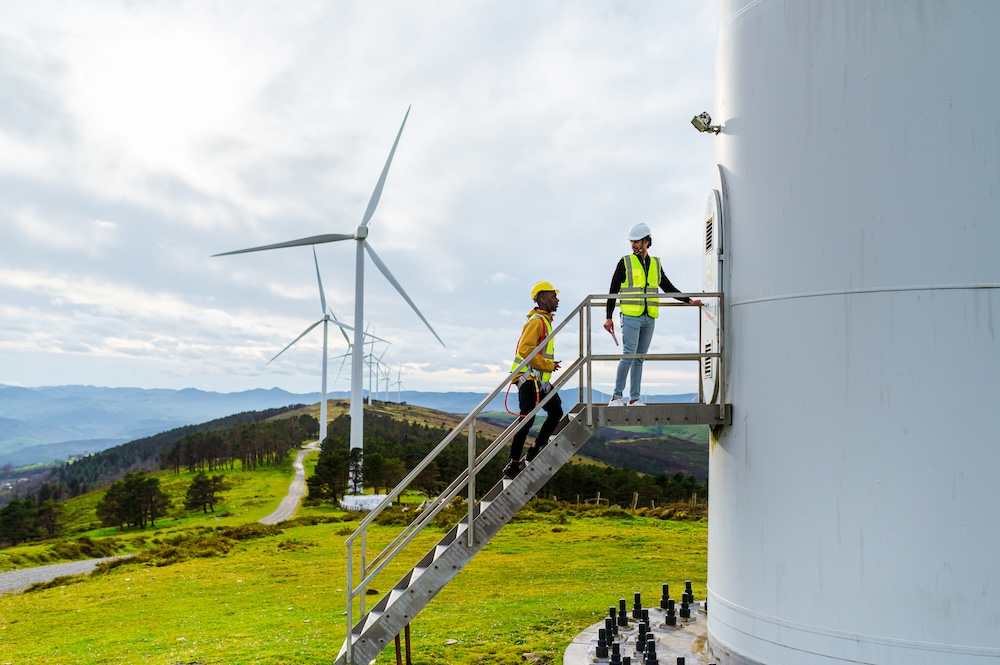
Wind power is a form of renewable energy that uses the wind’s natural movement to generate electricity. Large turbines capture the kinetic energy in moving air and convert it into electrical power without burning fossil fuels or producing greenhouse gas emissions during operation. As one of the fastest-growing clean energy sources in the world, wind has become a cornerstone of the transition to a sustainable energy future — and its benefits go well beyond cutting carbon.
1. It Creates Jobs in Surprising Places
Wind farms aren’t just in coastal hubs — they’re often built in rural and agricultural regions. This spreads economic opportunity to communities that don’t usually benefit from high-tech industries. Jobs range from turbine manufacturing and installation to long-term maintenance and operations.
2. Farmers Earn Extra Income Without Losing Land
Unlike fossil fuel extraction, wind turbines have a small physical footprint. Farmers can keep planting crops or grazing livestock right up to the base of each turbine, earning lease payments for hosting them while keeping their land productive.
3. It Helps Stabilize Energy Prices
Wind power is immune to the price volatility of fossil fuels. Once a turbine is up and running, the “fuel” — the wind itself — is free. This helps keep electricity costs more predictable, benefiting both households and businesses.
4. It Reduces Water Use in Energy Production
Traditional power plants, especially coal and nuclear, require huge amounts of water for cooling. Wind turbines don’t use water at all, making them a key solution in regions facing drought or water scarcity.
5. It Spurs Innovation in Grid Technology
Integrating wind into the power grid has driven advancements in energy storage, forecasting, and smart grid systems. These improvements make the entire grid — not just wind energy — more efficient and resilient.
6. Wildlife-Friendly Solutions Are Improving
While early wind farms faced criticism over bird and bat deaths, newer designs and radar-based shutdown systems are significantly reducing these impacts. Some projects are even creating habitat restoration programs alongside turbine installation.
7. It Inspires Local Community Projects
From co-op-owned wind farms to school programs funded by turbine revenue, wind power can directly benefit local communities. In some regions, residents are partial owners of wind projects, keeping profits close to home.
Final Thoughts
Wind energy isn’t just about reducing greenhouse gases. It’s a powerful catalyst for economic growth, innovation, water conservation, and community empowerment. The more we harness the wind, the more hidden benefits we uncover.

