






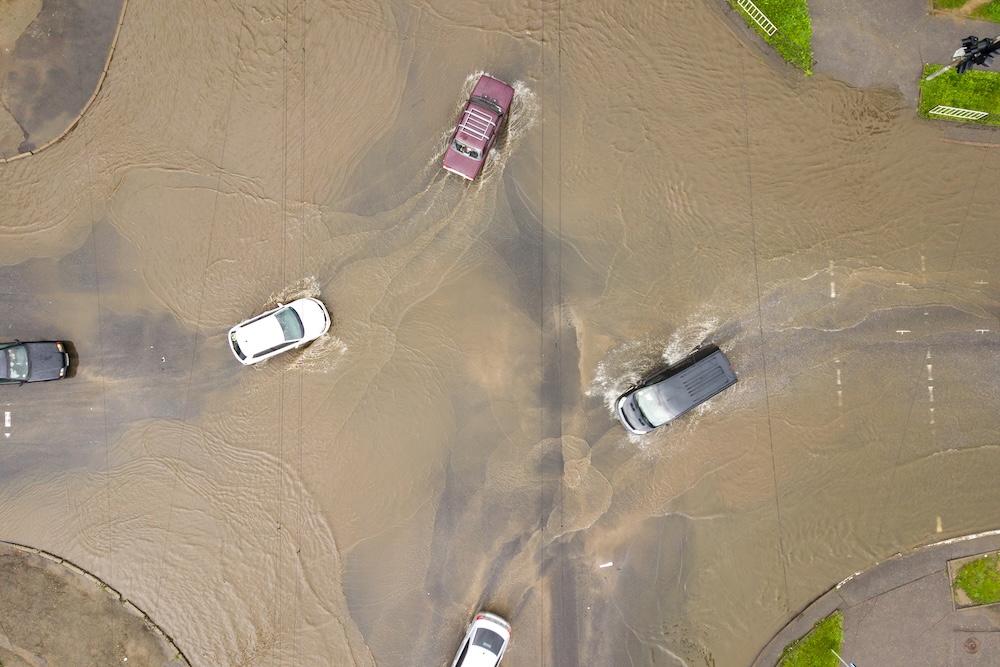
Forget School Districts — Buyers Want to Know: Will This House Flood?
In the age of Zillow and Redfin, homebuyers can filter by square footage, bathrooms, school district… even walkability.
But here’s what’s quietly becoming one of the most important features in real estate:
Risk of flooding, fire, drought, and extreme heat.
Welcome to the era of climate-informed home buying, where savvy shoppers aren’t just looking for curb appeal — they’re checking climate maps before making an offer.
Because what good is a charming front porch if it’s under water (or uninsurable) in 10 years?
Real Estate Is Being Redrawn by Climate Risk
Home values have always been shaped by location. But now, “location” means more than a zip code — it means elevation, soil stability, fire exposure, water access, and local climate policies.
Buyers, lenders, insurers, and even local governments are beginning to ask the same questions:
- How likely is this home to flood or burn?
- Will insurance even cover it in five years?
- Will buyers want this property 20 years from now — or run from it?
That shift is turning climate data into a core part of the real estate decision-making process — and putting pressure on the industry to catch up.
Enter: The Rise of Risk Tools
Several platforms now offer climate risk assessments for specific properties — often for free or baked right into listings.
🔍 Tools Every Buyer Should Know:
- RiskFactor.com (by First Street Foundation): Provides a “Flood Factor,” “Fire Factor,” and “Heat Factor” score from 1–10 for U.S. addresses
- ClimateCheck.com: Breaks down risks by category and projected severity over time
- Redfin and Realtor.com: Now include flood risk in many listings
- FEMA Flood Maps: Still widely used (but often outdated and overly conservative)
- Local GIS platforms: Some cities and counties now offer interactive hazard maps
These tools aren’t just for scientists anymore — they’re becoming everyday buyer tools, like mortgage calculators or walk scores.
Why This Matters for Homeowners and Sellers
If you own a home in a risk-prone area, these maps may already be shaping:
- How much your home is worth
- Whether buyers can secure a mortgage
- Whether you can get (or afford) insurance
- How fast your home will appreciate — or depreciate
In some markets, homes with high flood or fire risk are already selling for less than similar properties in safer areas.
And it’s only going to accelerate as these tools go mainstream.
Expect These Trends to Rise Like the Tide
1. Climate Disclosures Will Become Mandatory
Just like lead paint or asbestos, climate risk will soon be a legal disclosure in more jurisdictions. Some states (like California and New York) already require it.
Expect:
- Laws requiring sellers to disclose past flood damage or risk ratings
- Builders having to disclose sea-level rise impacts
- Real estate agents being held liable for failing to mention known hazards
2. Climate Scores Will Affect Lending
Lenders are waking up to the fact that a 30-year mortgage on a sinking property is… not a great investment.
Expect banks to:
- Require higher down payments for risk-prone homes
- Shorten loan terms
- Offer better terms for low-risk properties
- Integrate climate scoring into approval processes
Climate score = credit score for your property’s future.
3. Climate-Safe Zones Will Surge in Demand
As risk becomes more visible, buyers will flock to “climate havens” — cities and towns that are:
- Elevated
- Inland
- Stable
- Cool(er)
- Proactive about adaptation
This could spike housing demand in places like:
- The Great Lakes region (U.S.)
- Parts of Canada, Scandinavia, and the Pacific Northwest
- Inland Australia, New Zealand highlands, or northern U.K. towns
Spoiler: many of these places aren’t ready for the influx.
What You Can Do With This Data
Whether you’re a buyer, seller, or just trying to plan your life with eyes wide open:
- Run your address through RiskFactor and ClimateCheck
- Look beyond FEMA maps — they’re often outdated
- Watch for neighborhood trends in insurance coverage and infrastructure upgrades
- Ask your agent or local officials what resilience plans are in place
- Build climate questions into your home search just like you’d ask about crime, taxes, or schools
This isn’t about fear — it’s about being informed. Wouldn’t you want to know if your dream home might come with knee-deep water?
Final Thoughts: You Can’t Zillow-Proof Climate Change
We’re entering a world where beachfront may no longer mean prestige — it may mean “pending flood.” And where a cozy cabin in the woods could just as easily mean wildfire waiting to happen.
Climate maps aren’t here to ruin your dreams — they’re here to redefine them.
Because the smartest move you can make in real estate these days?
Is making sure your investment doesn’t come with an expiration date.

