



When we think about environmental harm, we picture oil spills, factory smokestacks, or piles of plastic waste. But some of the biggest impacts come from everyday habits and products we barely think twice about.
These “hidden” environmental costs often slip under the radar because they’re built into the background of modern life. Once you spot them, though, you can make smarter choices that reduce their footprint — without giving up the things you enjoy.
Here are seven surprising environmental costs hiding in plain sight, plus what you can do about them.
1. Streaming Videos in High Definition
The hidden cost: Watching your favorite show on Netflix or YouTube might seem harmless, but streaming video is energy-intensive. Data travels through networks of servers, cables, and devices — all of which require electricity, much of it still generated from fossil fuels. High-definition streaming can triple the data load compared to standard definition, multiplying the emissions.
What to do about it: Lower the resolution when quality isn’t critical, turn off autoplay, and download shows or music for offline viewing. At home, use Wi-Fi instead of mobile data, which is more energy-efficient.
2. Fast Shipping for Online Orders
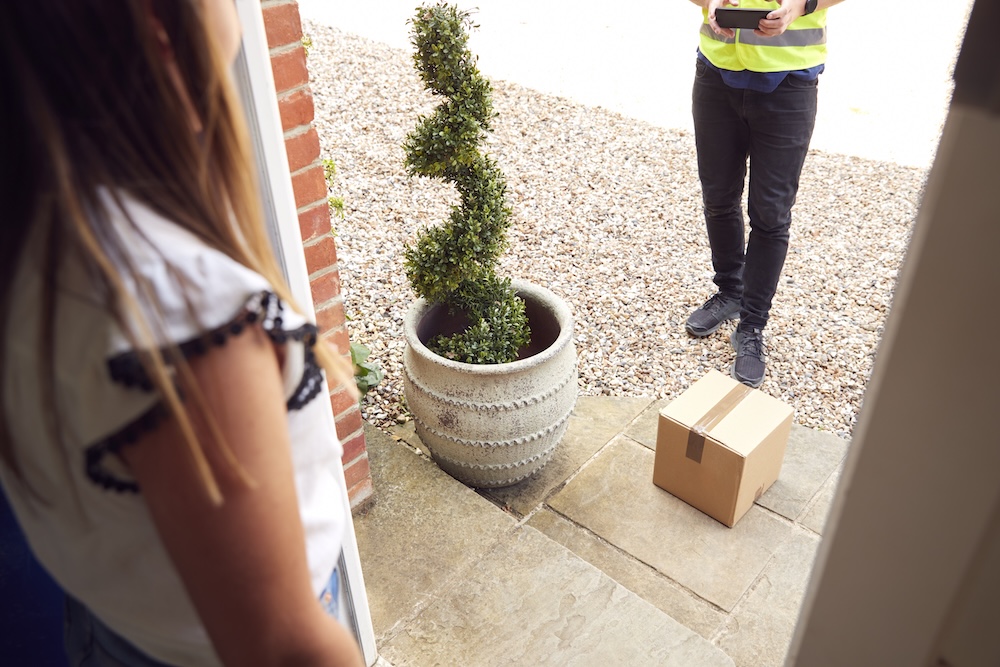
The hidden cost: Next-day or two-day delivery sounds convenient, but it often means your package ships partially empty, bypassing consolidated shipping routes. That translates into more delivery trucks, planes, and packaging waste — all with a hefty carbon footprint.
What to do about it: Choose slower shipping options when possible. Consolidate orders to reduce multiple deliveries, and shop locally when you can.
3. The Water Behind Your Wardrobe
The hidden cost: A single pair of cotton jeans can require around 1,800 gallons of water to produce, from growing cotton to dyeing the fabric. Synthetic fabrics, while using less water, shed microplastics when washed.
What to do about it: Buy fewer, better-quality clothes, choose brands that use water-efficient processes, and wash less often. When possible, buy second-hand to extend the life of existing garments.
4. Smartphone Upgrade Cycles
The hidden cost: Frequent upgrades generate electronic waste and drive demand for resource extraction, including rare earth minerals and metals like cobalt — often mined under environmentally damaging and unethical conditions.
What to do about it: Hold onto your phone as long as it works well. Repair rather than replace when possible, and recycle old electronics through certified e-waste programs.
5. Food Waste at Home
The hidden cost: Throwing away uneaten food wastes all the water, energy, and resources that went into producing, transporting, and storing it. In landfills, food waste generates methane, a greenhouse gas far more potent than CO₂.
What to do about it: Plan meals, store food properly, and freeze extras. Compost what you can to keep it out of landfills and return nutrients to the soil.
6. The Energy Drain of “Always On” Devices
The hidden cost: Electronics like game consoles, printers, and coffee machines often consume power even when not in use — known as standby or phantom power. Across millions of households, this adds up to a significant, invisible energy drain.
What to do about it: Unplug devices when not in use, or use smart plugs and power strips to cut power completely.
7. Single-Use Paper Products
The hidden cost: Paper towels, napkins, and tissues might seem more eco-friendly than plastic, but producing them still uses large amounts of water, energy, and chemicals — and many aren’t recyclable after use.
What to do about it: Switch to reusable cloths and towels for cleaning, and opt for products made from recycled paper when disposables are unavoidable.
Final Thoughts
Our daily lives are filled with activities that have hidden environmental consequences — but awareness is the first step to change. By adjusting habits and making conscious swaps, you can significantly reduce your footprint without losing convenience or comfort. The more we uncover these invisible impacts, the more opportunities we have to build a truly sustainable way of living.