

If a toddler wandered into the woods and spent over a week with a plastic jar stuck on their head, unable to eat, drink, or see, the world would explode with outrage.
News helicopters would hover. Search teams would be deployed. Hashtags would trend. Politicians would issue statements. There would be tears, investigations, and reform.
But this wasn’t a child.
It was a bear.
So people scrolled past.
The Bear Who Nearly Didn’t Make It
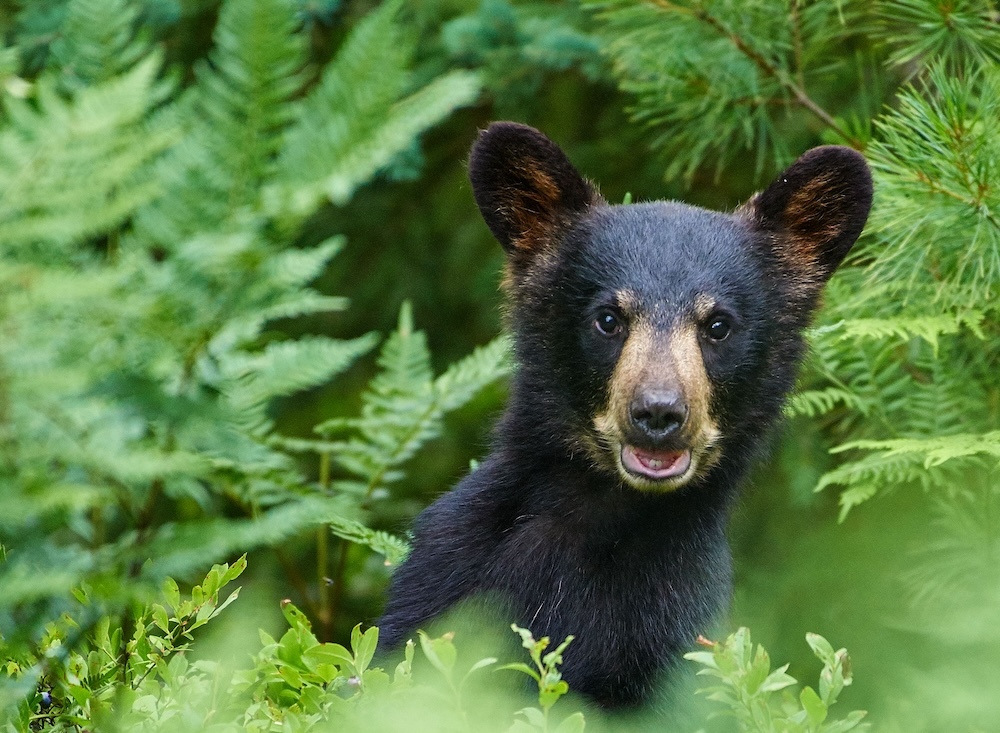
On July 26, 2025, wildlife officials in northern Wisconsin received a report of a young black bear seen roaming with her head stuck inside a plastic jar. She was just two years old — barely out of infancy in bear years — and weighed only 70 pounds.
She traveled nearly 50 miles over the next several days. From Cable to Seely to Iron River. Alone, disoriented, and dehydrated. Locals spotted her but couldn’t approach. She was skittish, running blind.
On August 3, she was finally captured at a private residence, and rescuers from the USDA Wildlife Services removed the jar. She was examined, rehydrated, and released into a wooded area with ample food and water.
She lived.
But she easily could’ve died.
And for what? A plastic jar someone didn’t rinse or crush.
The Hidden Threat of Everyday Plastic
Plastic pollution isn’t just an ocean problem or a recycling bin issue. It’s a wildlife death trap — especially in forests, trails, and rural areas where bears and other animals roam.
Most of us don’t think twice about the things we throw away:
- That peanut butter jar with a thin coating left inside
- A yogurt cup tossed into a campsite bin
- A coffee lid or soda bottle forgotten at a trailhead
But to a wild animal — especially one with a powerful sense of smell — those things scream “food.”
And once their heads go in? Many never come out.
This Isn’t Rare. It’s Everywhere.
This story went viral because it was documented and had a happy ending. But thousands of animals face similar fates — and most are never rescued.
Here’s what the data says:
- 🧴 U.S. national parks generate over 100 million pounds of waste annually — nearly 17 million pounds of that is plastic. (Leave No Trace)
- 🐻 In a study of 51 polar bear stomachs, 25% had plastic inside them. Half of those suffered blockages, internal damage, or gastritis. (The Wildlife Society)
- 🌲 Plastic takes hundreds to thousands of years to degrade — meaning every jar, lid, or cup left behind stays there, waiting for a victim.
- 🧬 Microplastics are now found in polar bear feces, fish, human blood, breastmilk, and even in the placentas of unborn babies.
We are living in a world where plastic doesn’t just exist around us — it exists inside us. And we’re doing the same to wildlife.
Bears Are Especially Vulnerable
Bears have one of the strongest noses in the animal kingdom. A black bear can smell food from miles away. So if a plastic jar with even a hint of food residue is tossed out in the woods — that’s bait.
Young bears are particularly at risk. They haven’t fully learned how to forage safely. They’re curious. And when they get trapped — by jars, lids, bags, or bins — panic often sets in.
Some get hit by cars while disoriented. Others suffocate or starve. Many are euthanized after repeated human contact or behavioral changes caused by trash addiction.
The bear in Wisconsin? She was lucky. Most aren’t.
Would You Still Look Away If It Was Your Kid?
We don’t mean that metaphor lightly.
What happened to that bear isn’t so different from what could happen to a child:
- Vulnerable
- Alone
- Trapped by something they didn’t understand
- In pain, and unable to ask for help
But here’s the thing — the bear didn’t get a viral hashtag. She didn’t get thoughts and prayers. She got ignored. Because she was wild. Because it wasn’t “our problem.”
But it is.
Because our trash did this.
The Psychology of Distance
Humans tend to care more when something feels close to home. That’s why we react more strongly to a single sad image of a person than we do to statistics about thousands. It’s why we’re more likely to act if we feel emotionally connected.
And it’s why this story matters.
This bear was just a child in different skin. Her story cuts through the abstraction and gives plastic pollution a face — and a cost.
It shows us what happens when we stop paying attention.
So What Do We Do About It?
Here’s the part no one wants to hear:
This isn’t a government problem. It’s a you-and-me problem.
We already have recycling programs.
We already have waste collection.
We already know that plastic is everywhere.
We just don’t behave like it matters.
But it does. Every jar you rinse, every lid you crush, every piece of trash you carry out of the woods — it matters.
Here’s your checklist:
✅ Rinse every container with food residue
Especially peanut butter, yogurt, sauces, and oils. Bears and raccoons can smell traces.
✅ Crush or cut containers
Flatten jars and bottles so they can’t trap an animal’s head. Cut drink lids and six-pack rings.
✅ Pack it out
Even if there’s a bin nearby, carry your waste home. Bins overflow. Wildlife rips through them.
✅ Don’t feed wildlife, ever
Feeding animals (even unintentionally) trains them to seek out human trash. That’s often a death sentence.
✅ Educate others
This is preventable. But only if people know. Share the bear’s story. Talk to your kids. Post a sign at the trailhead.
Final Thoughts: Her Head. Our Hands.
Let’s be brutally honest.
This wasn’t just a random accident. It was cause and effect.
A bear was trapped for over a week because someone left a piece of trash behind.
That plastic jar became a prison — and almost, a coffin.
Would you still ignore it if it was your child with a jar stuck on their head?
Would you still say “it’s just one piece of trash”?
Because if the answer is no — if deep down, this does bother you — then that’s a start. That’s where change begins.