




Single-use plastic baggies feel “small” until you add them up: meal prep, leftovers, snacks, freezer storage, travel, kid lunches, organizing. A reusable system can cut a surprising amount of daily plastic out of your routine — but only if it’s honest about tradeoffs and built to last.
Stasher is one of the best-known names in reusable food storage. Their core idea is simple: replace disposable baggies with a durable, self-sealing silicone bag you can use for years.
Brand Alignment Check
Before we recommend any affiliate brand, we pressure-test it against UberArtisan’s plastic-free, low-waste, sustainability-first mission.
Where Stasher aligns strongly
- Directly reduces single-use plastic by replacing disposable baggies with reusable storage designed for long-term use (and backed by a lifetime guarantee).
- Durability + reusability are the main value proposition — this is the core of circular thinking: use longer, replace less.
- End-of-life pathway exists: Stasher partners with TerraCycle so damaged products can be collected and recycled rather than trashed.
Where it partially aligns
Silicone isn’t plastic, but it is a synthetic polymer. It’s more stable and heat-resistant than many plastics, but it’s not biodegradable. Your impact depends heavily on how long you use it — and whether you follow through with reuse and responsible end-of-life handling.
Where it may fall short (or needs more transparency)
- “Plastic-free” in practice can be complicated: shipping materials, labels, and fulfillment packaging can vary. If the goal is truly plastic-free end-to-end, avoid absolute claims unless you’ve verified current packaging practices.
- Manufacturing footprint: like any manufactured product, the lowest-impact option is usually owning fewer items and using them longer.
Net: Stasher can fit UberArtisan’s mission as a harm-reduction, waste-cutting swap — especially for people who currently rely heavily on disposable baggies.
What Stasher Bags Are (and Why People Like Them)
Stasher bags are reusable, self-sealing storage bags made with food-grade platinum silicone and a pinch-style seal designed to be leak-resistant. They’re marketed as a replacement for disposable baggies and some rigid plastic containers.
Common use cases that genuinely reduce waste:
- Lunches and snacks (the classic baggie replacement)
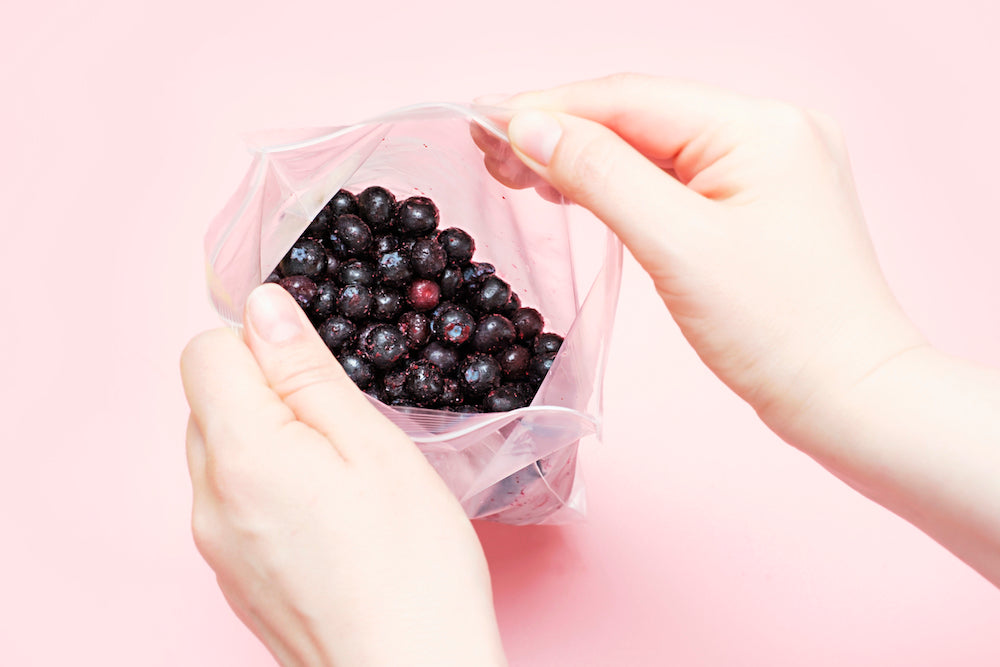
- Freezer storage for leftovers, herbs, sauces, fruit, bread
- Meal prep (especially if you already use a lot of disposable storage)
- Travel organization (toiletries, cords, small items)
- “Messy” storage where a rigid container isn’t ideal (marinades, chopped onions, etc.)
The sustainability value is highest when Stasher replaces repeat purchases of disposables over a long period.
Scale Check: How Big Is the “Baggie” Problem?
In the U.S., the EPA reports plastic bags, sacks, and wraps totaled about 4.2 million tons generated in 2018. Of that, about 3.04 million tons were landfilled, and the recycling rate was about 10%.
On the household side, Stasher cites research estimating the average person has about 263 food-storage occasions per year that typically rely on single-use plastic bags (roughly 5 per week).
That’s why reusables can matter: when a reusable bag is used for years, it can displace hundreds of one-and-done bag uses over time.
Because plastics can persist for a long time once they escape waste systems, the EPA notes plastic pollution may take 100 to 1,000+ years to decompose depending on conditions.
The Sustainability Reality Check
The real win: reuse over time
If you’re currently using disposable baggies, switching to a reusable bag can reduce a steady stream of plastic waste. Stasher’s published materials emphasize long-term use patterns and replacement math (the exact number varies by household and use habits), but the direction is right: reusables only win when they’re reused a lot.
The tradeoff: silicone is durable, not biodegradable
Silicone is generally considered more stable and heat-resistant than many plastics, but it’s still a manufactured polymer and it does not biodegrade. That means:
- Throwing it away is a worst-case outcome, Terracycle is the most ideal way of disposal.
- The most sustainable use is buying fewer, using longer, and repurposing when possible.
Health and Safety
Stasher states their products are free from BPA, BPS, lead, latex, and phthalates, and that they meet relevant food-contact safety expectations for food-grade silicone. More broadly, high-quality food-grade silicone is widely viewed as a more stable choice than many plastics for heat exposure — but quality matters.
Practical, grounded guidance:
- Prioritize high-quality, food-grade silicone (platinum-cured is commonly treated as a higher-quality tier).
- Follow temperature limits and discard products that degrade, tear, or become sticky.
- Avoid “mystery silicone” products with unclear material disclosures.
End of Life: Repurpose First, Then Recycle
This is one of the most mission-relevant parts of the brand story — and it’s the piece many “reusable” brands never solve.
Stasher encourages users to repurpose items if possible, and if something is damaged beyond use, they offer a recycling pathway through TerraCycle (a free program sponsored by the brand). Stasher also notes that damaged silicone can be processed into materials used for items like track or playground surfaces.
Key point for UberArtisan readers:
- Silicone shouldn’t go in your regular recycling bin.
- If you’re buying silicone, it’s worth choosing brands that offer a real end-of-life program — and then actually using it.
FAQs
Are Stasher bags actually plastic-free?
They’re marketed as “plastic-free” because they’re made from silicone, not conventional plastics like polyethylene. But silicone is still a synthetic polymer and not biodegradable — so “plastic-free” doesn’t mean “impact-free.” However, its a durable swap that can reduce single-use plastic demand when reused long-term.
Are Stasher bags safe for food and heat?
Stasher states their bags meet food-grade expectations and are tested to be free from several common chemicals of concern (BPA/BPS, lead, phthalates, latex). In general, high-quality food-grade silicone is considered heat-stable, but always follow manufacturer temperature guidance and replace items that degrade.
What happens when a Stasher bag gets damaged?
Stasher recommends repurposing first. If it’s too damaged, they provide a recycling option through TerraCycle (a free, brand-sponsored program).
Is silicone better than plastic for sustainability?
It can be — if you use it long enough to replace a lot of disposables. Silicone is durable and heat-resistant, but it’s not biodegradable and has a manufacturing footprint. The sustainability win comes from years of reuse plus responsible end-of-life handling.
Final Thoughts
Stasher can be a meaningful upgrade for people who still rely on disposable baggies — and that’s not a small audience. The brand’s strongest sustainability case is also the simplest: make a durable thing, use it for years, and keep it out of landfill at end-of-life.
Silicone isn’t a perfect material, but when used as a long-use replacement for constant plastic waste, Stasher can create real ripples — especially when paired with “buy less, use longer” habits and a responsible recycling path when the product finally wears out.

