



Every drop of water on Earth has been here since the beginning — evaporated from ancient seas, frozen in glaciers, rained over forests, and sipped by countless living beings.
The water we drink today once flowed through rivers millions of years ago. It’s part of a perfect loop — Earth’s original circular system — a design so elegant it sustains all life.
Yet for all its abundance, water is becoming one of the planet’s most fragile resources.
The Cycle That Makes Life Possible
The water cycle — evaporation, condensation, precipitation, and runoff — is how the planet cleans, cools, and renews itself.
- Evaporation lifts water from oceans, lakes, and soil into the atmosphere.
- Condensation turns vapor into clouds.
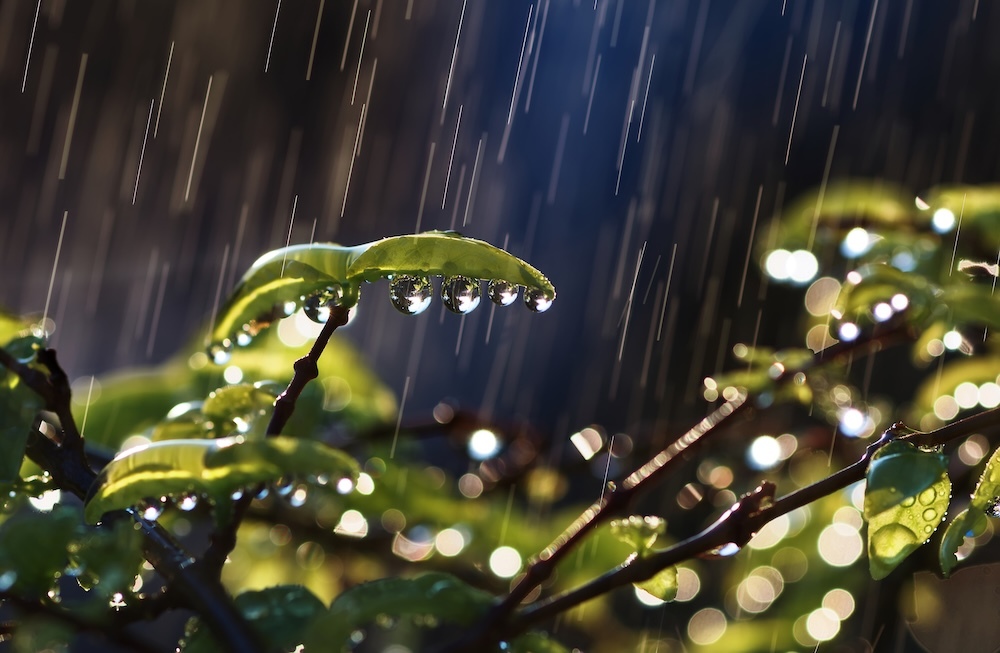
- Precipitation returns it to the surface as rain or snow.
- Infiltration and runoff send it underground or back to rivers and oceans, starting the loop again.
It’s a closed system — no water ever leaves. But the way it moves changes everything. This rhythm moderates climate, feeds crops, and shapes entire ecosystems.
When the cycle is balanced, the planet thrives. When disrupted, droughts, floods, and food shortages follow.
When a Perfect System Becomes Strained
For billions of years, Earth managed water effortlessly. But human activity is now reshaping its movement — faster than natural systems can adapt.
Deforestation and Soil Loss
Trees are natural pumps. They draw water from soil and release it into the air through transpiration, helping to form clouds and rain. When forests disappear, rainfall patterns collapse — deserts spread where once there was green.
Urbanization and Hard Surfaces
Cities seal the ground with concrete, stopping water from soaking into the soil. This not only prevents groundwater recharge but also increases flooding and runoff pollution.
Industrial and Agricultural Use
Farming accounts for about 70% of all global freshwater use. Many crops are grown in areas already facing water stress, draining aquifers that take centuries to refill. Industrial processes and textile production add further strain, often contaminating what little remains.
Climate Change
Warming alters rainfall patterns, intensifies storms, and melts glaciers — the planet’s largest freshwater reserves. What was once predictable now becomes volatile.
The result: a water cycle speeding up in some regions and collapsing in others.
The Circular Truth About Water
Water doesn’t vanish — it just moves. But where it moves and how clean it remains determines whether life continues in balance.
When pollution enters the loop, it doesn’t disappear; it recirculates.
When glaciers melt, that stored water flows out — and doesn’t return for millennia.
When aquifers are drained, they collapse, permanently reducing capacity.
Every disruption weakens the Earth’s ability to regenerate — the same way cutting off blood flow weakens a body.
Learning from Nature’s Design
Nature shows us the blueprint for balance: use, return, renew.
1. Restore Natural Infrastructure
Wetlands, forests, and mangroves act like sponges, holding and releasing water naturally. Protecting and restoring them is as crucial as building reservoirs.
2. Practice Regenerative Agriculture
Healthy soil stores water. Cover crops, composting, and reduced tilling improve water retention and reduce runoff — keeping farms productive even during drought.
3. Build Circular Water Systems
Closed-loop wastewater systems capture and reuse water. Cities like Singapore and Copenhagen already treat wastewater to drinking quality, showing that technology can align with nature’s circular wisdom.
4. Reduce Contamination at the Source
Limiting fertilizers, pesticides, and industrial runoff prevents toxins from entering the cycle in the first place — protecting rivers, oceans, and drinking water alike.
The Value of Every Drop
Water is not a commodity — it’s a shared inheritance.
When we treat it as disposable, we interrupt a system that has quietly sustained life for billions of years. When we conserve it, we restore harmony to the cycle that connects oceans to clouds to ourselves.
Protecting water isn’t about scarcity alone; it’s about respect — for the most ancient system of renewal the planet ever created.
Final Thoughts
The water cycle is nature’s reminder that sustainability isn’t an invention — it’s the Earth’s default.
To live sustainably means to live like water: moving, returning, cleansing, giving, and never taking more than can be restored.
The planet already knows how to heal itself. Our role is to stop interrupting that flow.