



Fashion has always been about reinvention, but in recent years, it has also become one of the biggest contributors to waste and pollution. The fast fashion industry encourages consumers to buy cheap, disposable clothing at a pace the planet cannot sustain. The result? Landfills overflowing with textiles, rivers polluted by dyes, and garment workers facing unsafe and unfair conditions.
Circular fashion offers a new way forward. Instead of a linear model of make → wear → discard, it embraces a loop where clothes are designed, produced, used, and then reused, repaired, or recycled. This approach not only extends the life of garments but also reduces environmental impact and supports a fairer industry.
From Fast Fashion to Slow, Sustainable Style
Fast fashion thrives on constant newness and rapid turnover — new collections every week, low-cost production, and high waste. But consumers are waking up to its hidden costs:
- Environmental damage: Textile production is responsible for up to 10% of global carbon emissions, more than international flights and shipping combined.
- Water consumption: Producing a single cotton T-shirt can take 2,700 liters of water — enough for one person to drink for 2.5 years.
- Social inequality: Millions of garment workers face low wages, unsafe factories, and long hours to keep prices cheap.
Slow and circular fashion flips this model by prioritizing quality, longevity, and responsibility.
Spring Fashion and Fast Fashion’s Seasonal Trap
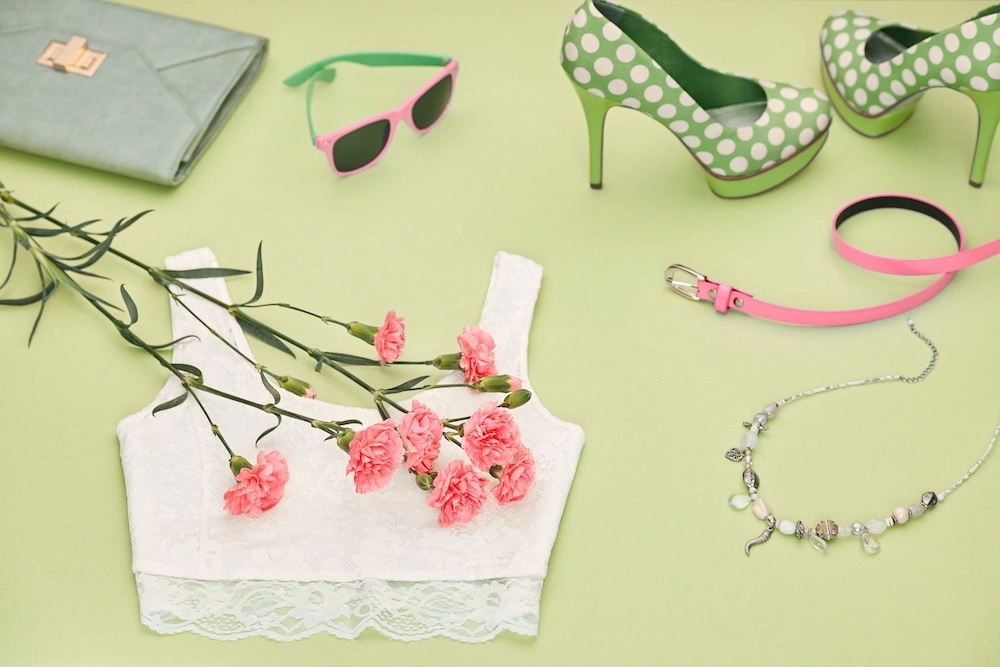
Spring is one of the busiest times for fast fashion. As soon as the weather turns, retailers flood stores and feeds with racks of pastel dresses, floral prints, and lightweight jackets. The problem? Most of these items are designed to be worn just a handful of times before being replaced by summer styles. This cycle fuels massive waste every year.
But Spring doesn’t have to mean overconsumption. A circular approach to Spring fashion looks like this:
- Shop your own closet. Bring back last year’s floral dress, layer it differently, or pair it with sustainable staples like a classic denim jacket or linen shirt.
- Choose natural fibers. Look for organic cotton, hemp, or linen dresses and tops that breathe better and last longer.
- Prioritize versatile pieces. Instead of a one-season pastel trend item, invest in neutral layers (e.g., a cardigan, trench coat, or tailored trousers) you can wear across multiple seasons.
- Rent or swap for special occasions. Spring weddings, graduations, and parties often lead to impulse purchases. Instead, try clothing rental services or local swap events to enjoy “new” without buying new.
- Look for transparency. If you buy new, choose brands that show clear sourcing and sustainability commitments — not just “green” slogans or seasonal capsule collections designed to look eco-friendly.
By making Spring shopping choices more intentional, consumers can avoid the wasteful cycle and instead invest in pieces that blossom with them year after year.
What Circular Fashion Looks Like
Circular fashion is not just about materials, but systems. It considers how clothes are made, how long they last, and where they go after. Key pillars include:
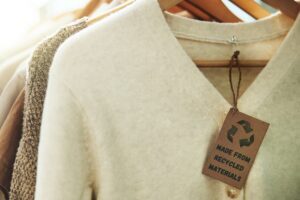
- Sustainable materials: Organic cotton, hemp, bamboo, and recycled fibers. Increasingly, innovations like lab-grown leather or fabrics made from agricultural waste are entering the mainstream.
- Design for longevity: Clothes made to last, with timeless cuts, durable stitching, and versatile styling.
- Repair, reuse, resell: Encouraging consumers to repair items, buy secondhand, or participate in take-back and resale programs.
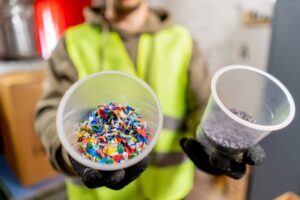
- Recycling and upcycling: Closing the loop by turning old textiles into new fabrics or creatively upcycling garments.
How to Shop More Sustainably
You don’t need to give up style to embrace sustainability. Start with simple shifts:
- Buy less, choose better. Invest in pieces that last, rather than chasing trends.
- Support ethical brands. Look for companies that are transparent about their supply chains, worker rights, and sustainability practices.
- Explore resale and rental. Platforms like ThredUp, Poshmark, and clothing rental services extend a garment’s life.
- Care for what you own. Wash less, line dry, repair seams, and donate responsibly. The way you maintain clothes has as much impact as where you buy them.
Sustainable Style in Practice
Fashion movements are already reshaping what it means to be stylish:
- Capsule wardrobes: Building a closet of timeless, versatile staples rather than endless fast fashion buys.
- Upcycling culture: Creators and brands repurpose old garments into one-of-a-kind new pieces.
- Rental fashion: Special occasion outfits now come from borrow-and-return services rather than one-time purchases.
- Transparency as trend: Influencers are increasingly showcasing not just what they wear, but how it was made.
Final Thoughts
Fashion has always been about self-expression — but now it’s also about responsibility. Moving from fast fashion to circular fashion means rethinking not only what we wear but how we value clothing.
When we choose durable over disposable, ethical over exploitative, sustainable over wasteful, we send ripples through the industry. Each purchase becomes a statement: that style should not come at the expense of the planet or the people who make our clothes.
The future of fashion is circular — and it starts in our closets, especially during seasons like Spring when the temptation to “buy new” is highest.