






The Cost of Beauty
Jewelry dazzles us with beauty, but the extraction of the metals and gemstones behind it often leaves scars across the Earth. Mining for gold, silver, diamonds, and other precious resources is one of the most destructive industries in the world. It tears apart landscapes, pollutes waterways, endangers wildlife, and exploits vulnerable communities.
Every ring, necklace, or gemstone has a story — and too often, that story begins with environmental devastation. Understanding the impact of mining is the first step toward choosing jewelry that truly honors people and planet.
The Environmental Toll of Mining
Deforestation and Habitat Loss
Open-pit mining and alluvial mining require clearing vast areas of forest and soil. Entire ecosystems are destroyed, with trees, plants, and topsoil scraped away to access deposits. This deforestation disrupts carbon sinks, accelerates climate change, and displaces wildlife.
In countries like Brazil and Indonesia, gold and bauxite mining has destroyed rainforests that once sheltered endangered species. Elephants, tigers, and countless lesser-known species lose their habitats, forcing them into conflict with humans or extinction.
Water Pollution and Toxic Runoff
Precious metals like gold are often extracted using cyanide and mercury — chemicals that seep into rivers and groundwater. These toxins kill fish, poison drinking supplies, and persist in ecosystems for decades.
Diamond and gem mining in riverbeds also stirs up sediment that smothers aquatic life and alters entire waterways. Communities downstream suffer from contaminated water, leading to long-term health crises.
Soil Erosion and Landscape Scarring
Open-pit mines leave craters so massive they are visible from space. Soil erosion worsens as vegetation is stripped away, leading to landslides, flooding, and permanent landscape damage. These scars can take centuries to heal — if they recover at all.
Greenhouse Gas Emissions
Mining is energy-intensive. From diesel machinery to smelting furnaces, the industry contributes significantly to global carbon emissions. Gold mining alone is estimated to release over 55 million metric tons of CO₂ annually — comparable to the emissions of some small countries.
The Human and Social Cost
Mining isn’t only an environmental crisis — it’s a human one.
- Labor Exploitation: Many mines, particularly in Africa and Asia, rely on child labor and unsafe working conditions.
- Conflict Resources: Diamonds and other gems have historically funded violent conflicts, giving rise to the term “blood diamonds.”
- Community Displacement: Indigenous peoples and rural communities are often displaced to make way for mining projects, losing ancestral lands and cultural heritage.
Alternatives and Solutions
Recycled and Repurposed Materials
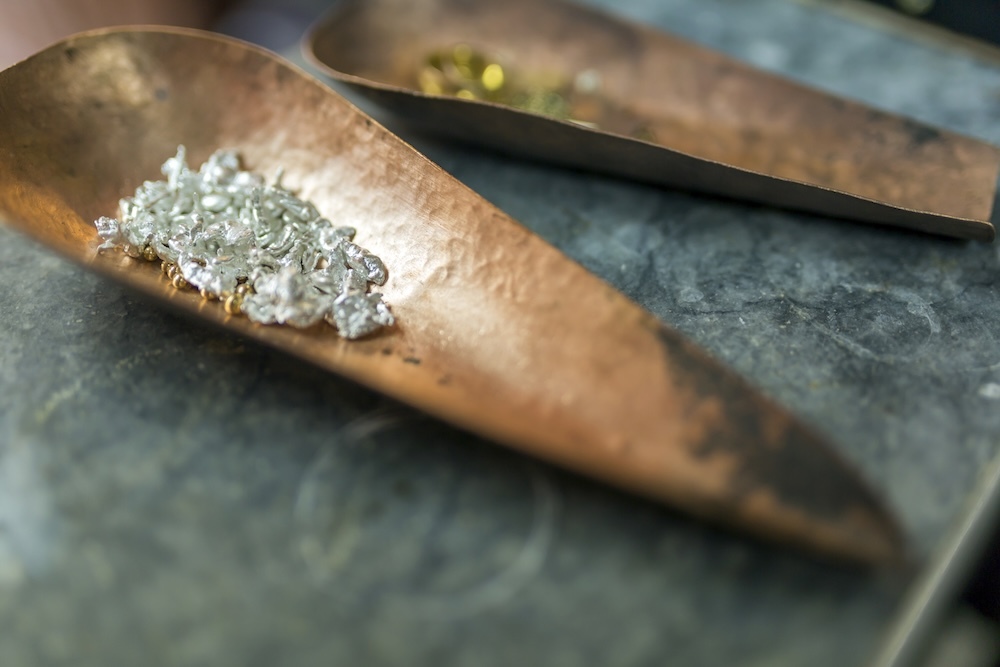
The most sustainable jewelry avoids new mining altogether. Recycled gold, silver, and platinum can be melted and reused endlessly without losing quality. Repurposing old jewelry or sourcing reclaimed gemstones drastically reduces the industry’s footprint.
Lab-Grown Gems
Technological innovation has made it possible to grow diamonds, sapphires, emeralds, and rubies in labs. These gems are physically and chemically identical to mined stones but come without deforestation, toxins, or conflict.
Fair Trade and Certified Mining
Where mining does occur, stricter standards can mitigate damage. Certifications like Fairmined Gold and Fairtrade Gold promote safer conditions, reduced chemical use, and community investment. However, these programs are still limited compared to the scale of global mining.
Circular Economy Approaches
Jewelry doesn’t have to follow a linear path from mine to market to landfill. Circular systems — repair programs, second-hand markets, and brand take-back initiatives — keep materials in circulation, reducing pressure to extract new ones.
What Consumers Can Do
- Ask Questions: Where did this metal or stone come from? Is it recycled? Lab-grown? Certified?
- Support Ethical Brands: Choose companies that disclose sourcing, use recycled materials, and participate in take-back or recycling programs.
- Buy Pre-Loved Jewelry: Vintage and second-hand pieces already exist — extending their lifespan is a powerful form of sustainability.
- Value Longevity Over Trends: A timeless piece worn for decades has far less impact than cheap jewelry discarded after a season.
Final Thoughts
Mining for precious metals and gemstones comes at a steep cost — to forests, rivers, wildlife, and people. While the jewelry industry has long celebrated beauty and luxury, it can no longer ignore the destruction behind the sparkle.
The path forward is clear: embrace recycled materials, lab-grown gems, circular design, and transparent supply chains. As consumers, we have the power to demand jewelry that reflects not just beauty, but responsibility. Because true brilliance should never come at the expense of the Earth.