




Chewing gum is marketed as carefree — leaves on the package, clean fonts, promises of freshness. The imagery ties back to its origins, when gum was made from natural tree sap (chicle).
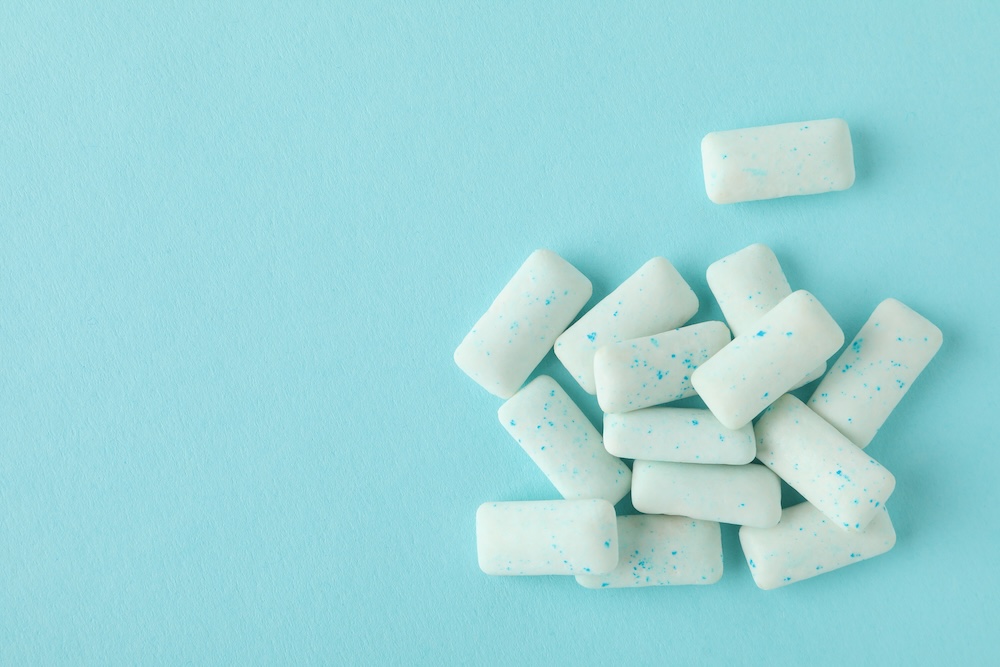
But the modern gum industry has quietly shifted. Today’s gum base is not sap. It’s plastic. Most chewing gum contains polyethylene and polyvinyl acetate — the same materials used in adhesives, paints, and food packaging.
The illusion is powerful: gum still feels natural, fun, even harmless. The reality is that billions of pieces of plastic are chewed and spit out worldwide every day.
From Tree Sap to Plastic Base
- Traditional gum: Indigenous people once chewed natural resins and tree saps, like chicle from the sapodilla tree.
- Modern gum: Since the mid-20th century, manufacturers replaced sap with cheaper, more consistent synthetic bases. These include petrochemicals like polyethylene (a common plastic) and polyvinyl acetate (used in glue).
The word “gum base” on an ingredient list hides this shift. Few consumers realize what it actually means.
Why Plastic in Gum Matters
Fossil Fuel Dependency
Chewing gum now locks consumers into the petroleum economy. Every stick or piece contains plastic derived from fossil fuels.
Waste on Streets and Sidewalks
Gum is one of the most littered items worldwide. City governments spend millions scraping it off sidewalks. Because it’s plastic, it doesn’t biodegrade — it sticks around for decades.
Hidden Microplastic Problem
When gum is spat out, it breaks down slowly into microplastic particles. These wash into waterways and soil, contributing to the same pollution crisis as bottles and bags.
Misleading Marketing
Packaging leans on “fresh,” “clean,” and “natural” imagery. Some brands even highlight plant extracts or natural flavors, but the base — the core of gum — is synthetic plastic.
The Scale of the Industry
- The global chewing gum market is worth over $25 billion annually.
- Billions of pieces are consumed every day.
- Each piece represents a fragment of plastic waste, chewed once and discarded.
That’s a staggering volume of hidden petrochemical consumption.
Greener Alternatives Exist
Not all gum is plastic. A small number of brands are reviving natural bases:
- Chicle gum — made from sapodilla tree sap.
- Plant resin gums — other tree or plant resins used historically.
- Biodegradable gum bases — new innovations using plant starches or biopolymers.
These are niche, but they prove that chewing gum doesn’t have to mean chewing plastic.
What You Can Do
- Check labels: if it just says “gum base,” assume plastic.
- Support natural gum brands that specify chicle or plant-based bases.
- Reduce gum consumption — small habits add up.
- Spread awareness: most people don’t realize gum is plastic until someone tells them.
FAQs
Is chewing plastic harmful to my health?
Most studies show modern gum is safe for consumption, but the bigger issue is environmental: plastic gum contributes massively to waste and microplastics.
Why don’t companies admit gum is plastic?
Marketing. “Plastic gum” doesn’t sell. Instead, they use vague terms like “gum base” to avoid consumer backlash.
Is gum biodegradable?
Not modern gum. Plastic bases can last for decades in the environment. Only natural sap gums are biodegradable.
Can gum be recycled?
Not in normal systems. Specialized recycling exists but is rare and small-scale.
Final Thoughts
Chewing gum looks harmless. It’s sold with forests on the packaging and marketed as “fresh” or “clean.” But the truth is simple: gum today is plastic.
Every piece is a petroleum product. Every piece adds to global waste. Once you know, the illusion disappears. If chewing gum is meant to be carefree, then it’s time for brands to return to natural bases and stop normalizing the act of chewing plastic.

