






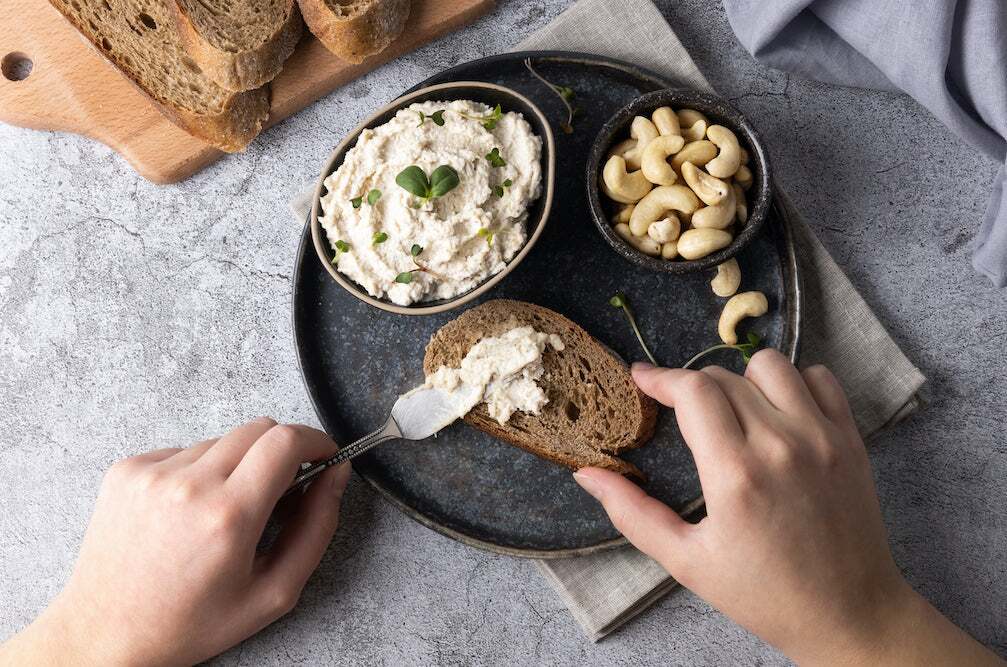
Compassion on the Plate and the Planet
When it comes to our food choices, the impact goes well beyond our taste buds. Every meal we prepare can influence animal welfare, our environment, and public health. In this guide, we’ll explore how to create an ethical and sustainable vegan food spread—offering compassion to both the plate and the planet.
Why Choose a Vegan Spread?
Ethical Considerations in Every Bite
Animal agriculture often involves industrial practices that cause harm and exploitation to animals. By choosing a vegan food spread, we actively take a stand for compassion. Animals are sentient beings capable of experiencing pain, pleasure, and emotion. Removing animal products from our meals helps reduce their suffering while encouraging a culture of empathy and respect toward all life.
Environmental Impact of Animal Agriculture
Why Plant-Based Eating Matters for the Planet
Animal-based food production is one of the largest contributors to environmental degradation, including deforestation, greenhouse gas emissions, and water pollution. Producing meat and dairy requires significant amounts of land, feed, and water—placing a strain on fragile ecosystems and biodiversity.
A plant-based spread, on the other hand, consumes fewer natural resources and generates a lower carbon footprint. Incorporating more vegan meals is a powerful way to reduce emissions, conserve water, and preserve wildlife habitat.
Tip: Use locally sourced ingredients to reduce the transportation impact and support your regional food system.
Health Benefits of a Plant-Based Food Spread
Vegan foods can offer a wide array of health benefits when thoughtfully planned. A balanced spread rich in fruits, vegetables, legumes, whole grains, nuts, and seeds provides:
- Essential vitamins and minerals
- Antioxidants that support immunity
- High fiber intake for digestive health
- A lower risk of chronic diseases such as heart disease, obesity, and type 2 diabetes
By swapping out animal-based foods with nourishing plant-based options, we not only show compassion but also support long-term health for ourselves and our communities.
Make It Inclusive: Dietary Needs and Transparency
A vegan food spread offers an inclusive foundation for a wide range of dietary needs. It naturally avoids common allergens like dairy and eggs, making it easier to accommodate guests with allergies, ethical concerns, or religious restrictions.
Labeling for Clarity and Confidence
Transparency is key. Clearly labeling vegan options—and optionally including ingredient lists—helps guests make informed choices that align with their values. It shows your commitment to ethical hosting and makes everyone feel welcome at the table.
Reduce Waste at Your Vegan Gathering
Thoughtful Planning to Minimize Leftovers
Wasted food is a major contributor to environmental harm. Plan your spread by estimating guest numbers accurately and offering a variety of portion sizes. Encourage mindful portions and make it easy for guests to go back for seconds, rather than piling plates too high the first time.
To further reduce waste:
- Offer take-home containers or encourage guests to bring their own
- Repurpose leftovers creatively
- Donate excess unopened items, if safe and permitted in your area
Compost, Repurpose, and Reuse: Waste to Worth
Creating a Circular Kitchen Experience
A sustainable vegan food spread doesn’t end with serving the meal—it continues with how we handle scraps and waste:
- Vegetable peels and trimmings can become flavorful stock
- Fruit scraps can be turned into preserves, syrups, or chutneys
- Leftover herbs can be dried, frozen, or composted
This approach not only prevents waste from entering landfills but also creates a more circular economy—where every part of the food has value and purpose.
Eco-Friendly Serving and Packaging Choices
Single-use plastics and disposables are one of the most visible forms of event waste. Upgrade your spread with low-impact alternatives:
- Reusable plates, cups, and utensils made from bamboo, metal, or ceramic
- Compostable disposables if reusables aren’t possible—made from sugarcane, corn fiber, or palm leaves
- Minimalist packaging for takeaways—opt for recycled or biodegradable options
If you’re encouraging guests to take food home, let them know ahead of time so they can bring their own containers. This simple nudge prevents extra packaging from being used unnecessarily.
Water Conservation Tips for Prep and Cleanup
Water is often overlooked in event planning, but it plays a big role in sustainability.
- Use dish racks or filled sinks for washing instead of letting water run
- Choose non-toxic dish soap and cleaners to avoid harming waterways
- Provide pitchers of water and cups instead of individual plastic bottles
- Reuse rinse water for pre-cleaning compostables or watering plants
Every small act of conservation adds up, especially when practiced consistently.
Promote Plant-Based Eating Through Beauty and Education
Let Your Food Inspire
Presentation matters. Create a visually appealing spread using:
- Fresh herbs as garnishes
- Edible flowers
- Colorful vegetables and fruits arranged thoughtfully
To educate and inspire:
- Include recipe cards with QR codes linking to your plant-based recipes
- Share stats or infographics about the benefits of vegan eating
- Offer a one-sheet or small sign explaining what a “sustainable spread” means
This reinforces that eating sustainably doesn’t mean sacrificing flavor or beauty.
Final Thoughts: Compassion in Every Bite
Creating a sustainable vegan food spread is more than a culinary choice—it’s an act of advocacy. With every ingredient and every plate, we make a statement about the kind of world we want to live in.
By incorporating mindful practices—like reducing food waste, sourcing local and seasonal ingredients, offering eco-friendly packaging, and prioritizing inclusivity—we show that sustainability and compassion can go hand-in-hand.
Let every meal be a message. Whether it’s for a dinner party, community event, or holiday celebration, your spread can be a tool for change.