




The foods we choose each day not only affect our health but also shape the planet’s future. Meat-heavy diets carry high environmental costs, while plant-based diets offer opportunities for lower emissions, less water use, and potentially lower grocery bills. But what about affordability? Are vegan diets always more expensive, or can they actually help households save money?
Cost of a Meat Diet
Market Prices
Meat prices vary by type, but they often make up some of the most expensive items in a grocery cart. Beef, pork, and poultry require land, feed, and processing, making them resource- and cost-intensive.
- Beef: Among the priciest proteins, averaging $6–$8 per pound in the U.S.
- Chicken and pork: More affordable than beef, but still higher than staple plant proteins.
- Seafood: Often the most expensive per serving, especially fresh fish.
Hidden Costs
Beyond the checkout line, meat carries hidden costs: health care burdens linked to high red meat intake, and environmental costs of methane, land use, and water. These don’t show up on receipts but are borne by society at large.
Cost of a Vegan Diet
Affordable Staples
Contrary to the idea that veganism is costly, many staples are among the cheapest foods globally:
- Beans and lentils: ~$1–$2 per pound, yielding multiple meals.
- Rice, oats, and grains: Affordable calorie sources.
- Seasonal vegetables and fruits: Cost-effective when bought locally or in season.
Specialty Vegan Products
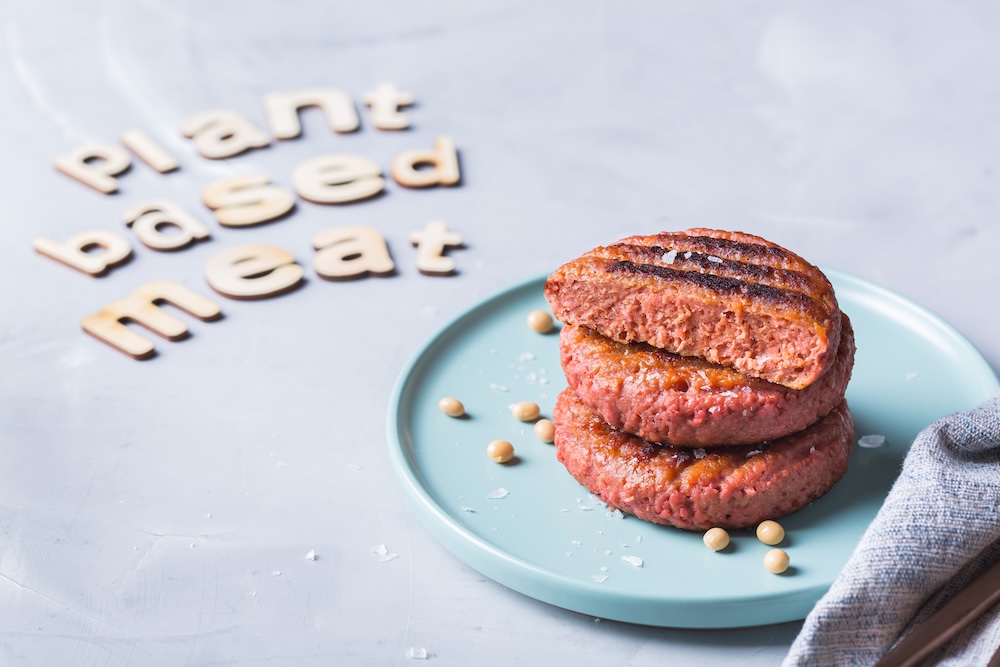
Some products — plant-based cheeses, meat substitutes, or specialty snacks — can be more expensive than conventional versions. But as demand increases, prices are falling, and options are diversifying.
Overall Affordability
Multiple studies suggest a vegan or vegetarian diet can cost 20–30% less than a meat-heavy diet, depending on food choices. Whole-food plant-based diets tend to be cheapest, while highly processed vegan substitutes can raise costs.
Sustainability Costs: Meat vs. Vegan
Greenhouse Gas Emissions
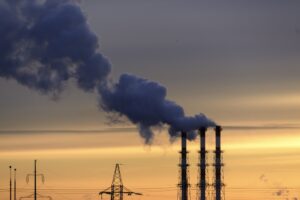
- Meat diet: Livestock contributes about 14.5% of global GHG emissions. Beef has the highest footprint at ~27 kg CO₂-equivalent per kilogram of meat.
- Vegan diet: Plant-based diets can cut individual food-related emissions by 50–75%, depending on food mix.
Water Use
- Meat diet: Producing 1 kg of beef requires ~15,000 liters of water.
- Vegan diet: Producing 1 kg of lentils requires ~1,250 liters — a fraction of animal foods.
Land Use
Livestock accounts for nearly 80% of agricultural land use while supplying less than 20% of global calories. Vegan diets free up land for reforestation or regenerative farming.
What’s Changed in Recent Years?
- Falling costs of plant-based options: As production scales, vegan substitutes are becoming more competitive.
- Growing consumer awareness: Diet choices are seen as climate action.
- Policy support: Some governments are encouraging reduced meat consumption for health and environmental goals.
FAQs
Is a vegan diet always cheaper?
Not always. It depends on food choices. Whole-food staples like beans, rice, and oats are inexpensive, while processed vegan products can be costly.
Are meat alternatives worth the price?
For some, they provide an easier transition away from meat. While pricier than beans or tofu, their costs are falling as demand grows.
Does eating less meat really make a difference?
Yes. Even swapping a few meat meals per week for plant-based ones significantly reduces emissions, water use, and costs.
Final Thoughts
When comparing costs and impacts, a vegan diet built around whole foods often proves both affordable and environmentally responsible. While specialty vegan items may add to grocery bills, staples like beans, rice, and vegetables keep costs low. Meanwhile, reducing meat consumption — even without going fully vegan — creates immediate environmental benefits.
Small shifts — skipping meat once a week, choosing beans instead of beef, or trying affordable plant-based recipes — create ripples that reduce costs and emissions. Those ripples grow into waves that support healthier diets, fairer economies, and a more sustainable food system.


Reader Interactions