





What Is Circadian Disruption?
Circadian disruption refers to the disturbance of the body’s internal clock, or circadian rhythm, which controls our sleep-wake cycles and a variety of biological functions. This rhythm is influenced by light and dark cycles in the environment—and when these cues are altered, our health and the environment can suffer.
How the Circadian Rhythm Works
The circadian rhythm is a 24-hour cycle regulated by the suprachiasmatic nucleus (SCN) in the brain. This internal clock responds to signals like:
- Natural daylight and darkness
- Sleep and meal timing
- Physical activity and temperature
When this rhythm is in sync, we experience better sleep, mood regulation, hormone balance, and metabolism. Disruption can throw off all of these processes.
Causes of Circadian Disruption
1. Artificial Light at Night (ALAN)
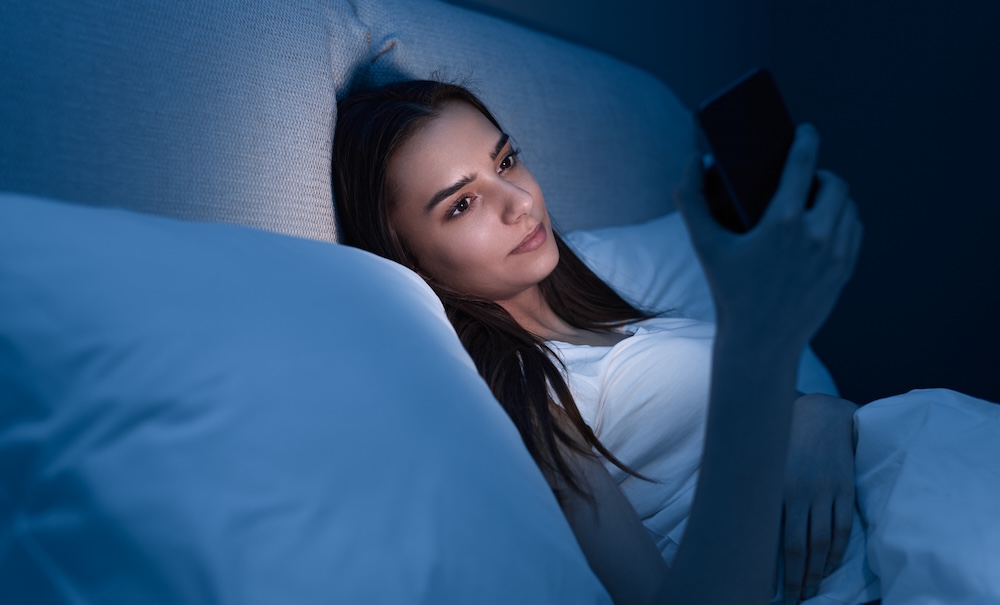
Exposure to blue light from screens, streetlights, or LED bulbs at night can suppress melatonin production and confuse the body’s sleep cues.
2. Shift Work and Irregular Schedules
Working overnight or rotating shifts leads to chronic misalignment between the biological clock and the workday.
3. Jet Lag
Traveling across time zones forces the body to adjust to a new schedule, often resulting in short-term circadian misalignment.
4. Urban Light Pollution
City lights not only disrupt human sleep cycles—they also interfere with wildlife behavior and ecosystem stability.
Health Impacts of Circadian Disruption
- Sleep disorders and insomnia
- Increased risk of obesity and diabetes
- Higher incidence of mood disorders, including anxiety and depression
- Weakened immune function
- Increased cancer risk, particularly breast and prostate cancer
- Cardiovascular problems
Environmental and Wildlife Impacts
Circadian disruption doesn’t just affect people—it has widespread consequences for ecosystems:
1. Animal Behavior and Reproduction
- Sea turtles and birds rely on natural light cues for navigation and breeding.
- Artificial light can lead animals astray, interrupt mating behaviors, or alter predator-prey relationships.
2. Plant Cycles
- Plants use light to guide processes like photosynthesis, flowering, and dormancy.
- Light pollution can interfere with seasonal growth and reproduction cycles.
3. Disrupted Food Chains
When pollinators, nocturnal predators, or prey species are affected, the ripple effect can destabilize ecosystems.
How to Minimize Circadian Disruption
For Individuals:
- Limit screen time before bed and use blue light filters.
- Stick to a regular sleep schedule, even on weekends.
- Get exposure to natural light during the day.
- Sleep in a dark, quiet, and cool room.
For Communities:
- Use shielded outdoor lighting to reduce skyglow.
- Install motion-activated lights instead of leaving them on all night.
- Implement city ordinances that reduce unnecessary nighttime lighting.
Common Questions
Can circadian disruption be reversed?
Yes, restoring a regular schedule, reducing light exposure at night, and getting daylight during the day can help reset your rhythm.
Is circadian disruption linked to mental health?
Absolutely. It’s strongly associated with depression, anxiety, and poor emotional regulation.
Do animals get jet lag too?
Yes, especially migratory birds and animals in captivity exposed to sudden light shifts or travel.
Final Thoughts
Circadian disruption is an invisible force with visible consequences. From chronic health issues in humans to damaged ecosystems, the imbalance between natural light cycles and artificial interference has far-reaching impacts.
The good news? Small changes—in personal routines, city planning, and environmental awareness—can go a long way in realigning our rhythms with nature. Healthier sleep, healthier ecosystems, and a more balanced planet all start with respecting the natural clock that governs life.