




What You Think Is Helping Might Be Harming
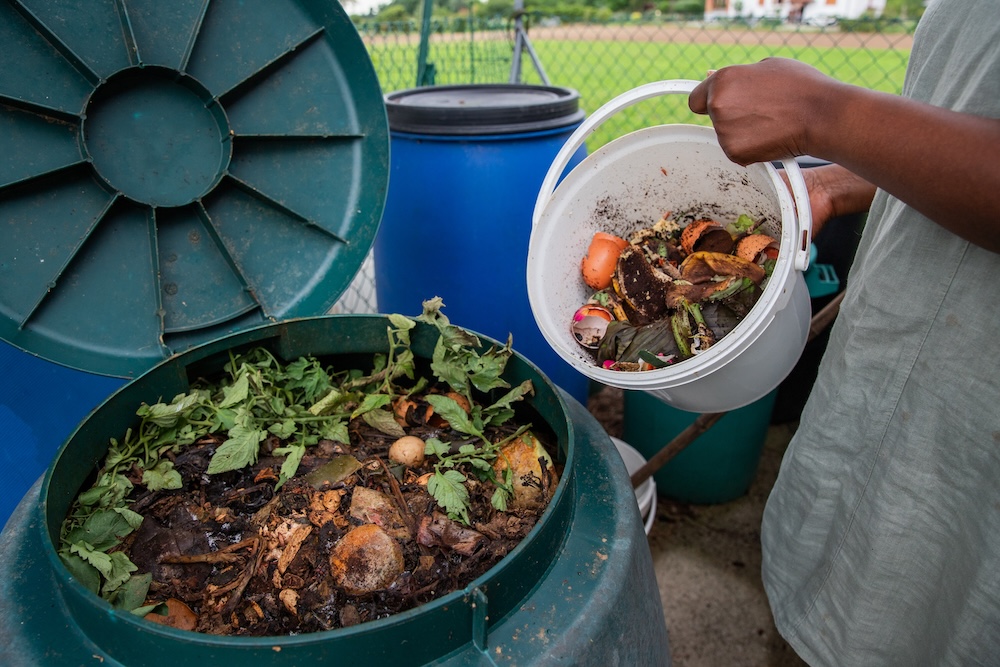
Composting feels like a win.
You’re turning food waste into something useful. You’re keeping scraps out of the landfill. You’re feeding your garden, not the dump. It’s the ultimate feel-good, low-waste habit — right?
Unless what you’re actually composting is plastic.
And you wouldn’t be alone.
Many home composters, even the eco-savvy ones, are unknowingly introducing microplastics, toxic residues, and synthetic contamination into their soil. From produce stickers to so-called “biodegradable” products, the path to clean, rich compost is often littered with invisible problems.
Let’s talk about what those are — and how to fix them.
First, Let’s Be Clear: Composting Is Good
This isn’t a hit piece on composting. Quite the opposite.
Composting is one of the most effective ways to reduce methane emissions from landfills, nourish depleted soils, and build local food systems. It’s regenerative, circular, and vital.
But it’s only as clean as what goes into it. And that’s where many of us are getting tripped up.
Mistake #1: Composting in Plastic Bins That Break Down Over Time
If you’re using a cheap plastic bin from the hardware store or a DIY setup made from storage tubs, you might be leaching microplastics into your pile without realizing it.
Here’s why:
- Heat, moisture, and friction break down plastic over time
- Cracks, warping, and sun exposure accelerate this degradation
- As the bin sheds, fragments mix with your compost — and eventually, your soil
Compost bins made from HDPE or food-grade plastic are better, but not immune. Especially if they’ve been reused, exposed to UV, or scratched.
Better options:
- Wood bins (untreated cedar is best)
- Metal tumblers
- Heavy-duty ceramic or concrete setups
- Food-grade plastic only if protected from sun and monitored for wear
Mistake #2: Tossing in “Biodegradable” Packaging Without Checking the Fine Print
That takeout container says biodegradable, but does it say home compostable?
Because there’s a big difference.
Many items labeled “biodegradable” or “compostable” require industrial conditions — high heat, commercial microbial environments, and specific timeframes. In your backyard bin, they often do… nothing. Or worse, they break down incompletely, leaving microplastics behind.
Common offenders:
- PLA-lined cups and containers
- Compostable utensils
- “Eco” food wrappers
- Bioplastic bags
They may look like they’re disappearing, but they could be fragmenting — and contaminating your compost.
What to look for:
- “Home compostable” certification
- BPI or OK Compost HOME logo
- Materials made from paper, bamboo, or plant fibers without synthetic coatings
Mistake #3: Leaving Produce Stickers on Your Scraps
Tiny. Ubiquitous. And made of plastic.
Produce stickers — those annoying little labels on apples, bananas, avocados — don’t break down. At all.
When left on peels or skins and tossed into compost, they:
- Remain intact for years
- Leach plastic and adhesives
- Can melt into the compost if heat rises
- Fragment into microplastics that get spread in your garden
Fix:
Always remove stickers before composting produce. And better yet, ask your grocer why plastic stickers are still a thing in 2025.
Mistake #4: Composting Tea Bags, Coffee Pods, or Dryer Lint Without Knowing the Material
Not all tea bags are created equal. Many are made of nylon or PET, and when steeped, they release billions of plastic particles. Tossing them into compost? You’re continuing the contamination.
Same goes for:
- Coffee pods with plastic mesh or liners
- Dryer lint (mostly synthetic fibers from clothing)
- Cotton swabs with plastic stems
- Wipes labeled “flushable” (spoiler: they’re not compostable either)
These items seem natural — or at least harmless. But they’re loaded with synthetic components that don’t belong in living soil.
Fix:
Check for 100% natural fibers. Or better yet, skip composting these entirely unless you’re sure.
Mistake #5: Composting Food Contaminated with Plastic Packaging
Ever toss in a bag of spinach that went slimy in its bag?
If you don’t remove every shred of plastic, chances are you’ve added:
- Food-grade microplastic film
- Residual glue from the packaging
- Traces of synthetic dyes or preservatives
The same goes for moldy food that’s been sitting in cling wrap or foam trays. Once it’s rotted, we’re tempted to throw it in whole — but that wrap comes with it unless removed completely.
And no — “it’s just a little piece” isn’t harmless. Microplastics are little pieces.
Fix:
If you wouldn’t put the wrapper in your mouth, don’t put it in your compost.
Mistake #6: Ignoring What’s in Your Compost Additions (Especially from Outside Sources)
If you’re using:
- Store-bought compost
- Mulch or soil labeled “organic”
- Horse or cow manure from outside farms
- “Green waste” from landscaping companies
You may be adding microplastics by proxy. Many of these sources include:
- Lawn clippings from sprayed or synthetic lawns
- Leaves collected from urban streets full of tire dust
- Animal waste from animals fed plastic-contaminated feed
Fix:
Know your source. Ask questions. Or start with raw, clean materials you control.
Why This All Matters: Compost Is Meant to Heal, Not Harm
Soil is the foundation of life. Healthy soil grows nutrient-rich food, captures carbon, holds water, and supports ecosystems.
Compost is supposed to rebuild that soil — not quietly poison it with invisible plastic fragments and residues.
Every time we add a sticker, a bioplastic fork, or a synthetic “eco” wrapper to our pile, we’re compromising the very cycle we’re trying to protect.
And when we spread that compost across our gardens, we’re unknowingly embedding the same materials we swore we were done with.
Final Thoughts
We’re not bad composters. We’re just misled.
Labels lie. Products greenwash. Convenience sneaks in through the back door of good intentions.
But the beauty of composting is this: it’s a system we control.
No corporation. No supply chain. Just you, your waste, and your dirt.
And when you know better — you can grow better.
Because clean compost doesn’t just feed the soil. It feeds the future.

