





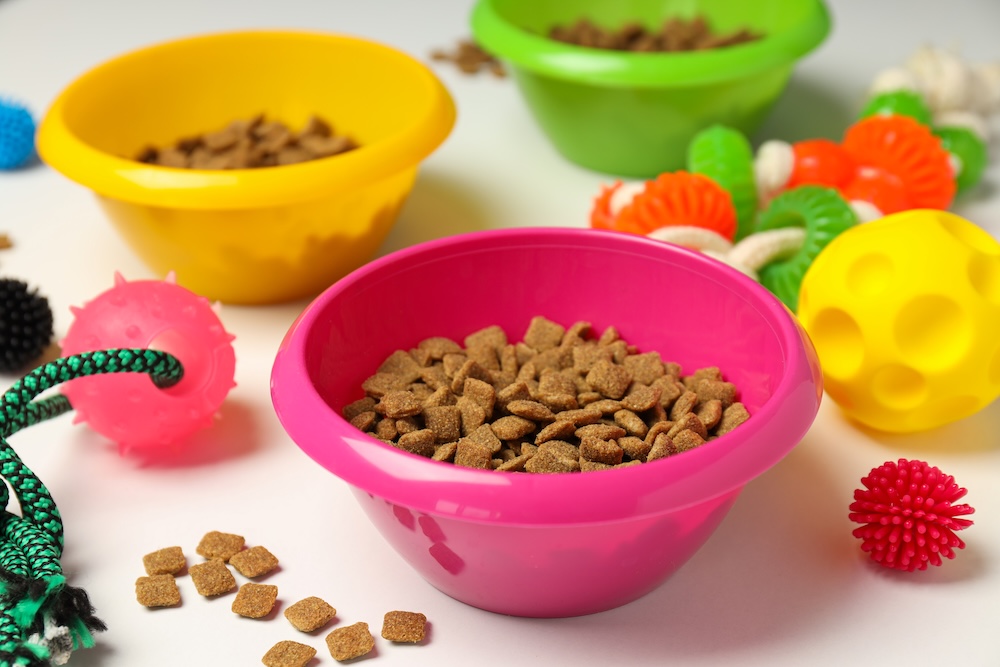
We love our pets. We call them family. We buy them toys, treats, beds, and bowls — often without questioning what those products are made of. But here’s the truth: plastic bowls are one of the worst things you can put in front of your pet.
Plastic scratches. It harbors bacteria. It leaches chemicals. And every time you fill one with food or water, you’re exposing your pet to risks you might never see until it’s too late.
It’s time to say it plainly: please stop buying plastic pet bowls.
Why Plastic Fails Our Pets
Plastic was designed for convenience, not safety. The same properties that make it lightweight and cheap are the ones that make it dangerous.
Scratches and Bacteria
Plastic bowls scratch easily — from cleaning, from sharp kibble, from a dog or cat’s teeth. Each scratch becomes a harbor for bacteria. Even when washed, those grooves keep growing colonies that can contaminate your pet’s food and water.
Research has shown links between plastic bowls and conditions like feline acne (caused by bacteria from bowls rubbing against a cat’s chin). For dogs, constant exposure to pathogens can contribute to stomach upset, infections, and other preventable health issues.
Chemicals That Leach
Plastics are made with additives — stabilizers, dyes, and softeners. Over time, these chemicals can leach into food and water. Heat accelerates this process. Leave a plastic bowl in the sun, or wash it in hot water, and you’re increasing the chemical load your pet consumes.
Some additives, like BPA and phthalates, are known endocrine disruptors in humans and animals alike. Why risk your pet’s hormones and health for the sake of a cheap bowl?
Odors and Stains
Plastic absorbs smells and stains. That lingering odor isn’t just unpleasant — it’s evidence of porous material breaking down, becoming less safe over time. Pets often avoid water from bowls that smell “off,” leaving them at risk of dehydration.
Better, Safer Alternatives
Fortunately, safer options exist — and they’re not only better for your pets, but often more sustainable for the planet.
Stainless Steel
- Non-porous, durable, and easy to sanitize.
- Doesn’t harbor bacteria or leach chemicals.
- Long-lasting — one bowl can serve a pet for years.
Ceramic (Lead-Free, High-Quality)
- Heavy enough to stay in place.
- Safe if certified lead-free and properly glazed.
- Smooth surfaces resist scratching and bacterial buildup.
Glass
- Inert and safe.
- Easy to clean and doesn’t absorb odors.
- Best for indoor pets and careful placement (to avoid breakage).
Each of these options is not only safer but more sustainable than plastic, which eventually cracks, stains, and ends up in landfills or oceans.
The Sustainability Lens
This isn’t only about your pet’s health — it’s also about the health of the planet.
- Plastic pet bowls are disposable by design. They crack, degrade, and are replaced frequently, creating steady demand for more plastic production.
- Every broken bowl becomes waste. Landfills, incineration, or worse — fragments that enter soil and water systems.
- Alternatives are circular. Stainless steel, ceramic, and glass bowls last longer, are recyclable, and reduce overall resource use.
When you choose a durable bowl, you’re making a decision that protects your pet and reduces plastic dependency. It’s a ripple effect — small at first, but powerful when multiplied.
Don’t We Deserve Better for Them?
Think about it. We claim our pets are family. We celebrate their birthdays, call them our “babies,” and shower them with love. So why do we keep serving them food and water in containers we wouldn’t trust for ourselves?
- Would you drink every glass of water from a scratched, chemical-leaching plastic cup?
- Would you feed your child every meal from a stained plastic bowl?
- Would you accept chemicals, odors, and bacteria as “good enough” for your family?
Our pets deserve better. We deserve the peace of mind that comes from knowing the very basics — food and water — are safe.
What You Can Do Today
- Ditch the plastic: Replace plastic bowls with stainless steel, ceramic (lead-free), or glass.
- Clean properly: Wash bowls daily with hot water and soap. Sanitize stainless steel regularly.
- Check toys too: Many plastic pet toys carry similar risks. Opt for natural rubber, hemp rope, or cloth alternatives.
- Educate others: Share the risks with fellow pet owners. Awareness is the first step toward change.
FAQs
Why are plastic bowls still sold if they’re unsafe?
Because they’re cheap to make, and consumers often don’t know the risks. Convenience sells — even when it compromises health.
Are ceramic bowls always safe?
Not always. Only choose certified lead-free, food-grade ceramic. Poorly glazed ceramics can leach heavy metals.
What about silicone bowls?
High-quality, food-grade silicone can be safer than plastic, but it’s still prone to scratching and can absorb odors. It’s best as a travel option, not daily use.
How often should I replace bowls?
Durable bowls (stainless steel, glass, ceramic) can last for years if properly cared for. Replace if cracked, chipped, or damaged.
Final Thoughts
Plastic is marketed as convenience. But convenience at the expense of our pets’ health — and the planet’s future — is no convenience at all.
Every meal, every sip of water, is an act of care. The bowls we use should reflect that care, not undermine it.
Please, stop buying plastic pet bowls. Choose safer alternatives. Choose durability over disposability. Choose the ripple that protects life — theirs, ours, and the planet’s.