





Hope is often misunderstood.
People think it’s naive — a fragile wish in the face of overwhelming odds. But real hope isn’t fragile. It’s defiant. It’s what rises when everything else falls away.
Hope is the quiet power that moves the world, one person, one decision, one ripple at a time.
The Strength Hidden in Hope
Hope isn’t optimism. Optimism expects things to get better. Hope works to make them so.
It lives in the volunteers cleaning beaches no one sees.
In scientists restoring soil health grain by grain.
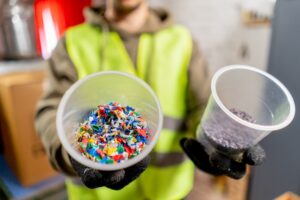
In people who recycle, repair, replant, and refuse to give up even when the news says it’s too late.
Hope doesn’t deny reality — it rebuilds it.
When we act with hope, we say, This story isn’t over yet.
The Ripple Begins With One
Every movement in history started with one moment of refusal — someone choosing to care when it was easier not to.
- One person planted a tree and started a forest.
- One community refused plastic and inspired legislation.
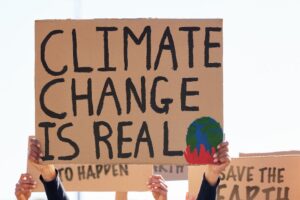
- One student skipped school for climate justice and sparked a generation.
The first act is rarely loud. But it sets the water in motion.
Hope works the same way: it moves outward, touching others until what began as one belief becomes a shared current.
Why Hope Is Contagious
We talk about fear as contagious — and it is. But hope spreads faster when it’s seen in action.
When people witness courage, cooperation, or compassion, it shifts their sense of possibility. That’s how cultural momentum is built — not by convincing people, but by showing them what’s possible.
Each act of hope is like a signal flare to someone else lost in the dark: You’re not alone.
How Hope Creates Real Change
1. It Fuels Resilience
Hope gives people the strength to continue even without certainty. In climate work, social justice, and personal struggle alike, it turns fatigue into focus.
2. It Reframes the Future
When we see hope as action, the future becomes something we participate in — not something that happens to us.
3. It Builds Belonging
Shared hope connects people beyond difference. It reminds us that the wellbeing of one depends on the wellbeing of all.
Hope is the common language of progress.
The Science of Hope
Research in psychology shows that hope isn’t emotion alone — it’s cognitive. It requires two things: a goal, and the belief that you can reach it.
That belief, called agency, is what turns awareness into action.
And the more hope we witness — in friends, neighbors, or even strangers — the more our own grows. It multiplies, both biologically and socially.
That’s why hopelessness feels heavy — it isolates. Hope lightens, because it connects.
Becoming the Ripple
You don’t have to fix everything. You only have to start something.
Plant a seed. Speak truth. Help someone feel seen. Protect something beautiful.
Each act adds energy to the world — a signal that humanity still remembers how to care.
That’s how hope multiplies: through participation, not perfection.
Final Thoughts
The ripple of one may start small, but it never ends there.
It moves through others — through kindness, courage, and persistence — until it becomes a wave strong enough to change everything it touches.
The world doesn’t need everyone to do everything.
It just needs everyone to do something.
Because hope doesn’t wait for change — it creates it.
And it always begins with one.

