






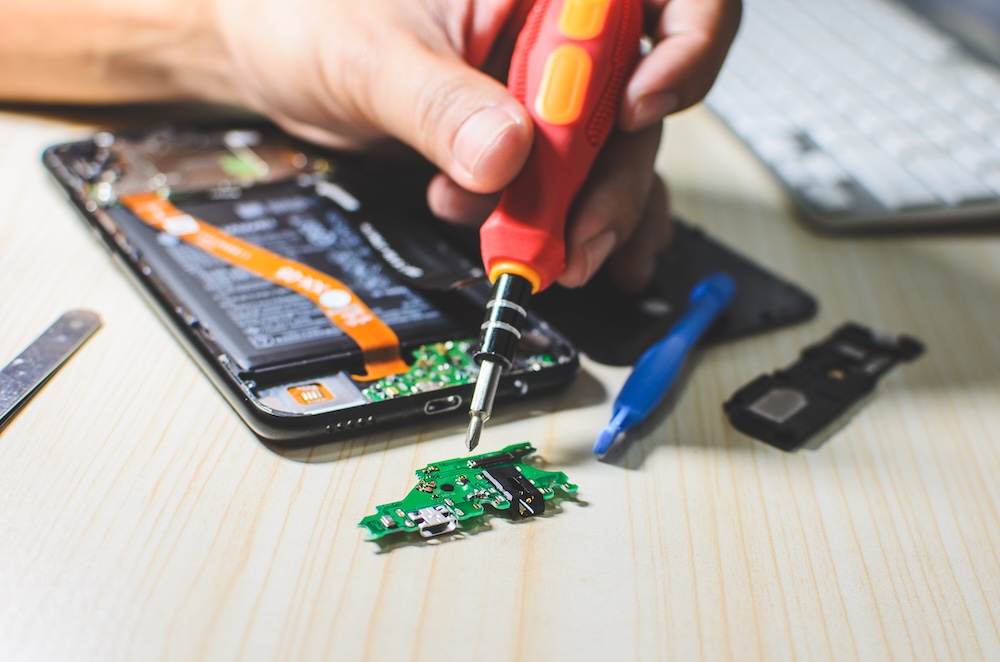
For most of modern history, things were made to be fixed.
Shoes were resoled. Radios were opened. Furniture was rebuilt.
Then, quietly, design changed.
Products became sealed, glued, coded, and proprietary.
Not because it made them better — but because it made them disposable.
Today, a cracked screen or worn battery often means replacement, not repair.
Not due to technical impossibility, but because repair has been designed out.
The Right to Fix movement is challenging this — and in doing so, it’s redefining what responsible design means in a circular world.
What Is the Right to Fix?
The Right to Fix is the principle that people should be able to:
- Open the products they own
- Access spare parts and repair manuals
- Replace components without software locks
- Extend the life of their belongings without corporate barriers
It’s about restoring ownership in a world where “buying” often means “renting access.”
And it begins with design.
How Design Created the Repair Crisis
Planned obsolescence didn’t start in factories.
It started in blueprints.
Modern products are often:
- Glued instead of screwed
- Fused instead of modular
- Digitally locked instead of mechanically accessible
- Designed for replacement cycles, not longevity
According to the European Environmental Agency, extending the life of electronics by just one year could reduce carbon emissions by 4 million tons annually across the EU alone.
That climate impact is decided long before manufacturing — at the design stage.
Why Repair Is a Circular Imperative
Circular economy principles depend on one truth:
The most sustainable product is the one that already exists.
Every repair avoids:
- New raw material extraction
- Manufacturing emissions
- Packaging and shipping
- E-waste contamination
Repair keeps value circulating instead of being destroyed.
Designing for repair means:
- Modular components
- Standardized fasteners
- Accessible batteries and screens
- Software that supports part replacement
- Documentation that empowers users, not restricts them
This isn’t nostalgia.
It’s resource intelligence.
The Cultural Loss Behind Disposable Design
When we can’t fix things, we lose more than materials.
We lose skills.
We lose patience.
We lose respect for craftsmanship.
Repair teaches care.
It slows consumption.
It builds emotional connection to objects.
A product you repair becomes part of your story.
A product you discard becomes part of the waste stream.
The Policy Shift
Governments are beginning to recognize repair as environmental infrastructure.
The European Union has passed Right to Repair regulations requiring:
- Long-term spare part availability
- Repairability scoring
- Software support beyond warranty
Several U.S. states have followed with Right to Repair legislation for electronics, farm equipment, and medical devices.
These laws don’t just protect consumers — they protect ecosystems by extending product lifecycles.
The Design Opportunity
Designers are now rethinking what “premium” means.
True quality is no longer about seamless surfaces and hidden screws.
It’s about:
- Longevity
- Serviceability
- Transparency
- Respect for materials and users
Brands like Fairphone, Framework, and Patagonia are proving that repairable design can be both beautiful and commercially viable.
They are designing products that invite maintenance, not replacement.
Final Thoughts
The Right to Fix is not just a legal movement.
It’s a design philosophy.
It says:
Objects deserve second lives.
Users deserve agency.
Resources deserve respect.
In a world facing material limits, repair is not a step backward.
It’s a leap forward — toward responsibility, resilience, and true innovation.
Designing for repair is designing for the future.

