
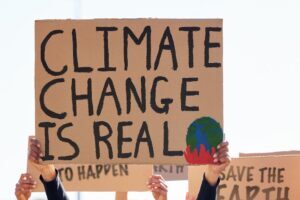




What if art didn’t just reflect our culture — but actively shaped a more sustainable future? Across the globe, artists are blending creativity with environmental consciousness, turning their work into catalysts for climate action. The result is an art scene that’s not only visually striking but also culturally urgent, pushing boundaries in how we think, create, and live.
Art as a Cultural Force for Environmental Change
Art has always mirrored society’s struggles, hopes, and values. Today, it’s also becoming a tool for ecological transformation. From installations that expose the realities of plastic pollution to murals that rewild city streets with biodiversity themes, contemporary art is a meeting ground for creativity, culture, and climate responsibility.
According to the United Nations Educational, Scientific and Cultural Organization (UNESCO), cultural industries are powerful drivers of sustainable development when they integrate environmental considerations into their work. This shift is redefining how art is produced, displayed, and consumed.
The Influence of Cultural Context
Art doesn’t emerge in isolation. The culture it reflects — whether urban street life, indigenous traditions, or global digital communities — influences its form and message. When culture itself is increasingly shaped by climate realities, art naturally absorbs and amplifies these themes.
Street Art and Eco-Muralism: Painting the Planet’s Story
Street art has evolved far beyond rebellious graffiti tags of the past. In cities worldwide, walls are now canvases for environmental storytelling — bold visual narratives about deforestation, endangered species, climate injustice, and urban resilience.
Murals with a Mission
Projects like the Sea Walls: Artists for Oceans initiative use large-scale public murals to spotlight marine conservation issues. By turning urban walls into calls for action, eco-muralists reach audiences far beyond gallery visitors.
Public Spaces as Green Canvases
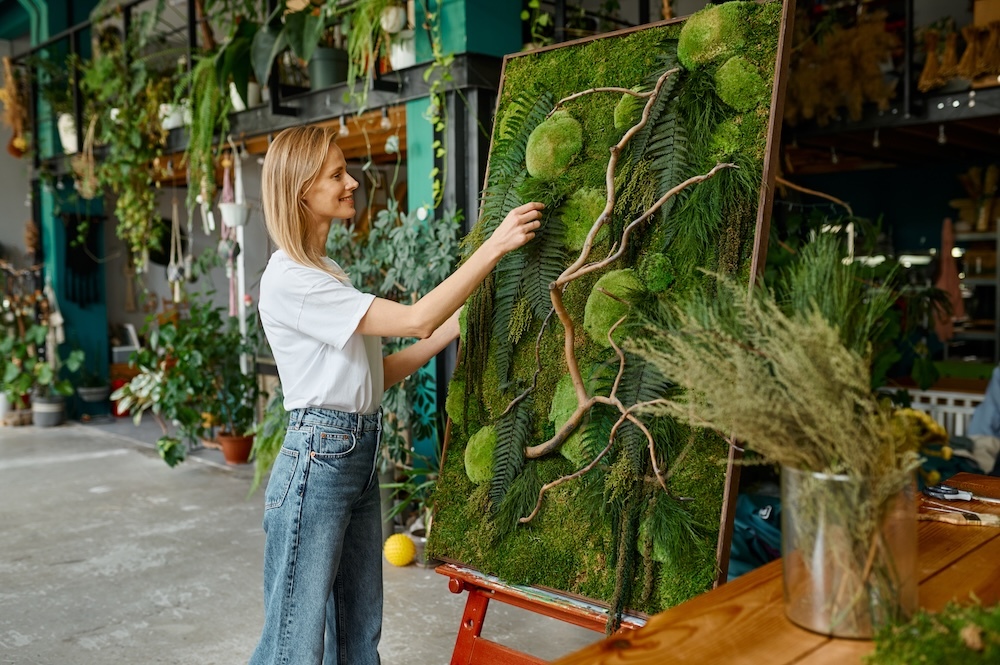
By reclaiming neglected or industrial spaces, artists are not just making cities more vibrant but also reminding residents of the ecosystems these concrete landscapes replaced. Some projects incorporate living walls, moss art, or plant-based pigments to physically integrate nature into the artwork.
Performance Art as Climate Witness
Performance art, with its raw immediacy, offers an especially potent way to address environmental collapse. Whether staged in a gallery, on a street corner, or in a threatened wetland, it can blend urgency with emotional impact.
Climate-Themed Acts
Artists have staged slow, meditative performances to symbolize glacier melt or rapid, chaotic sequences to mimic the destructive pace of industrial expansion. These performances are less about passive viewing and more about immersing audiences in the physicality of environmental change.
Community-Driven Performances
Many eco-performance projects invite community participation, such as collective planting events, public “die-ins” for climate victims, or collaborative cleanups framed as living art pieces.
Interactive Installations and Immersive Eco-Experiences
Interactive art installations are breaking the fourth wall, pulling audiences into the creative process — and into direct contact with environmental realities.
Immersive Climate Data
Some installations transform climate change data into visual and tactile experiences. Imagine walking through a room where rising sea levels are projected onto the walls and floors, synced to scientific predictions from the Intergovernmental Panel on Climate Change (IPCC).
Regenerative Art Spaces
A growing number of artists are creating installations powered by renewable energy or built from reclaimed materials, proving that art can be both a message and a model for sustainable design.
Digital Art and New Media: Expanding the Reach of Eco-Messages
Digital platforms allow art to transcend physical limitations, reducing the environmental footprint of exhibitions while expanding global reach.
Virtual Exhibitions and Carbon Reduction
Hosting art in virtual reality (VR) or augmented reality (AR) spaces eliminates the need for physical shipping, venue construction, and travel emissions, aligning artistic innovation with climate goals.
Blockchain and Sustainability Challenges
While some digital art trends like NFTs have raised concerns over energy use, a wave of “green NFT” initiatives is emerging, using energy-efficient blockchain technology to reduce impact.
Diversity, Inclusion, and Environmental Justice in Art
The push for diversity in the art world intersects naturally with environmental justice. Climate change disproportionately affects marginalized communities, and art from these perspectives often bridges cultural heritage with ecological urgency.
Amplifying Underrepresented Voices
Indigenous artists, for example, are merging traditional ecological knowledge with contemporary art forms to tell stories of land stewardship, water rights, and biodiversity protection.
Challenging the Status Quo
By including perspectives historically excluded from mainstream art, the cultural conversation becomes richer — and more capable of addressing the layered realities of climate change.
Social Media: The New Gallery for Green Art
Social media has democratized the art world, enabling environmental artists to bypass traditional gatekeepers and reach millions directly.
Virality for Climate Causes
A single image of a coral reef sculpture or a time-lapse mural about air pollution can spread globally within hours, sparking awareness and fundraising.
Collaborative Movements
Hashtags like #EcoArt, #ClimateArt, and #ArtForEarth connect artists across continents, fostering a decentralized but powerful creative movement.
Why This Intersection Matters
When art and culture merge with sustainability, the result is more than aesthetic — it’s transformative. Art provides a language for complex environmental concepts, humanizes data, and invites emotional engagement where facts alone may fall short.
What Can Be Done to Foster Sustainable Art and Culture
- Support Eco-Conscious Artists — Choose art made with sustainable materials or that directly addresses environmental issues.
- Green Gallery Practices — Encourage galleries and museums to adopt energy-efficient lighting, reduce waste, and consider carbon offsets.
- Public Funding for Climate-Themed Art — Advocate for cultural policies that prioritize art projects with environmental impact.
- Education and Outreach — Integrate sustainable art projects into schools and community programs.
Final Thoughts
The intersection of art, culture, and sustainability is more than a passing trend — it’s a necessary evolution in how we create and share meaning. In a time when climate challenges are reshaping every aspect of society, artists are stepping forward as both storytellers and solutionaries. Their work reminds us that a sustainable future isn’t only a technical challenge — it’s also a cultural one. If we can imagine it through art, perhaps we can make it real.