






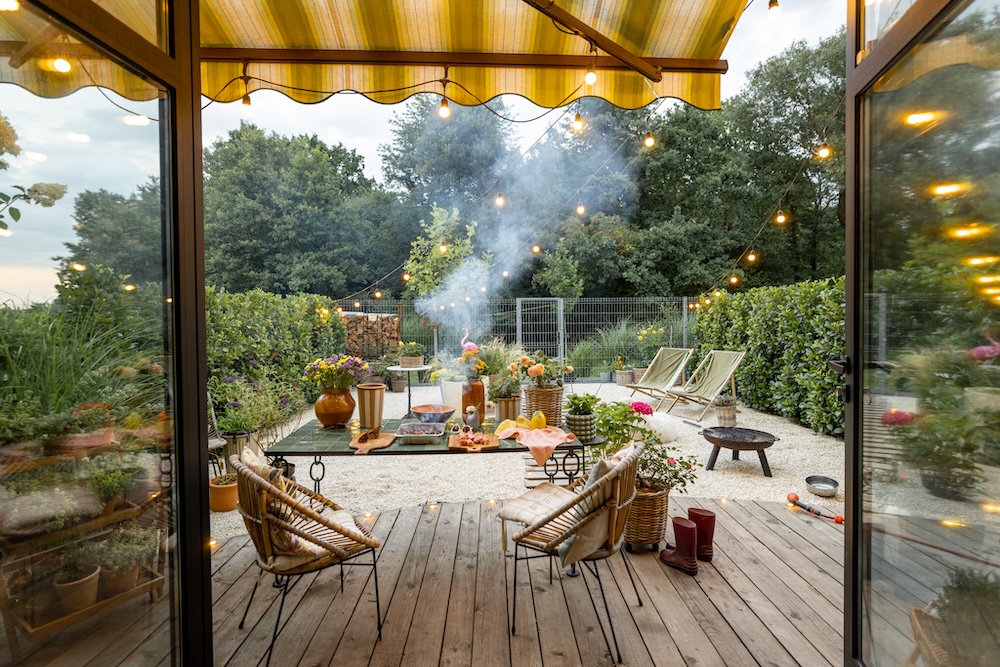
In today’s fast-paced world, creating an outdoor space isn’t just about design — it’s about carving out a sanctuary where you can reconnect with nature and recharge. Outdoor living offers a chance to slow down, enjoy simple pleasures, and make sustainable choices that ripple outward, benefiting both your well-being and the environment.
Outdoor living has become increasingly popular, not only for comfort but also for the health and social benefits it provides. Time outside can lower stress, improve mental clarity, encourage physical activity, and bring people together. When designed with sustainability in mind, an outdoor space becomes more than a retreat — it becomes a reflection of values that support a greener future.
Benefits of Outdoor Living
Spending time outdoors provides measurable benefits for mind and body. Fresh air, natural light, and even small amounts of sun exposure support healthier routines. Nature offers calm that digital screens rarely provide, helping people reset in a way that reduces stress and improves focus. Outdoor living also creates opportunities to move more, whether through gardening, hosting meals outside, or simply walking through the yard.
But the choices made in designing these spaces matter. A sustainable approach ensures that the benefits extend beyond personal wellness, reducing waste, conserving energy, and supporting biodiversity.
How to Create a Relaxing and Sustainable Outdoor Space
Choose Furnishings That Last
Comfort matters, but durability is key. Select pieces made from reclaimed wood, bamboo, recycled plastic, or other long-lasting materials that can withstand outdoor conditions. Prioritizing repairable or secondhand options helps reduce waste and avoids the cycle of short-lived products that quickly end up in landfills.
Add a Fire Feature With Care
A fire pit or fireplace naturally becomes the heart of a gathering space. If you include one, look for cleaner-burning fuels or smaller, efficient designs that use less energy. This creates ambiance without adding unnecessary environmental impact.
Light the Space Sustainably
Lighting transforms an outdoor area after dark. Solar-powered string lights or lanterns reduce electricity use and add warmth without increasing your utility bill. Choosing options that last through seasons avoids the need for constant replacement.
Surround Yourself With Greenery
Plants bring balance and life to any outdoor space. Consider mixing potted plants, vertical gardens, and native species that thrive in your climate. Native plants often require less water and care while supporting local wildlife and pollinators. If space allows, growing herbs or vegetables adds a functional, sustainable layer to your design.
Making the Most of Outdoor Living
Outdoor living works best when it balances comfort, personal style, and sustainability. By choosing furnishings that last, using energy-conscious lighting, and planting greenery that supports ecosystems, you create a sanctuary that reflects your values as much as your taste.
Even small choices matter. A solar lantern here, a pollinator-friendly plant there — each step builds a ripple effect, proving that design can be both beautiful and responsible. In the end, the most relaxing spaces are those that allow you to recharge while knowing your environment benefits too.


Reader Interactions