






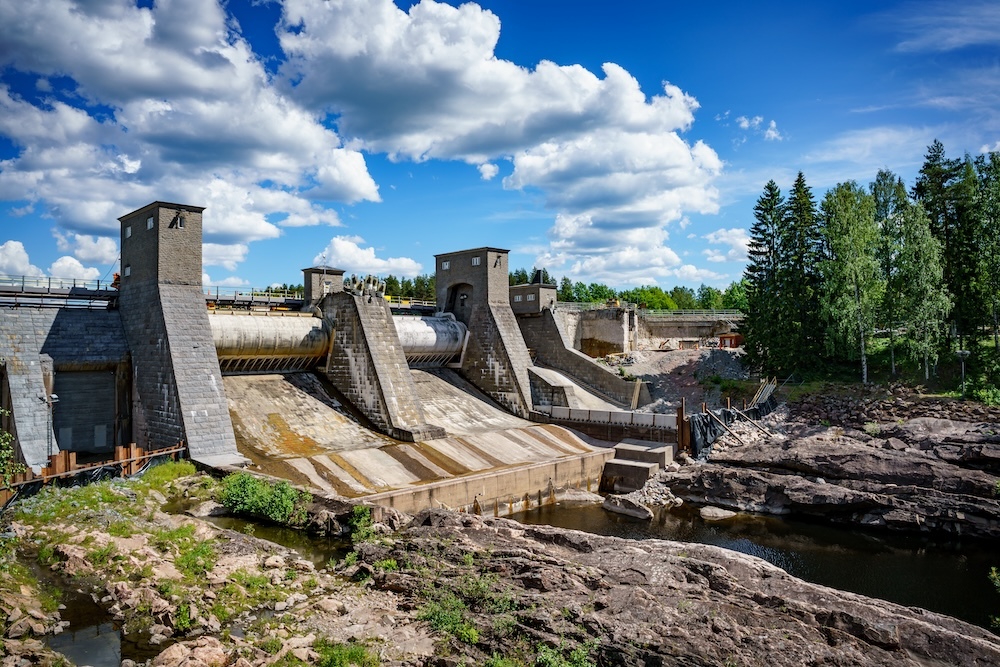
Hydropower—also known as hydroelectric power—generates electricity by using the energy of moving water. This renewable energy source has been in use for over a century and remains one of the most efficient ways to produce electricity. Whether it’s through massive dams, run-of-river projects, or cutting-edge tidal and wave systems, hydropower taps into the natural water cycle to keep the lights on in a cleaner, more sustainable way.
Globally, hydropower provides around 16% of all electricity and more than half of all renewable energy generation. While it often works quietly in the background compared to the buzz around solar and wind, hydropower plays a critical role in the transition to a low-carbon economy.
Let’s explore seven of its most valuable contributions.
1. Provides Reliable, Around-the-Clock Power
Unlike solar panels or wind turbines, which depend on weather and daylight, hydropower can produce electricity day and night. Reservoir-based plants store large volumes of water, releasing it as needed to maintain a steady flow of power to the grid. This makes hydropower especially valuable for communities that require constant, uninterrupted electricity, such as hospitals, manufacturing plants, and transportation systems.
Countries with significant hydropower resources—like Norway, Brazil, and Canada—often enjoy some of the most stable and affordable electricity grids in the world, thanks to this consistency.
2. Dramatically Reduces Greenhouse Gas Emissions
Over its full lifecycle, hydropower has one of the lowest greenhouse gas footprints of any energy source. A hydropower plant can operate for decades, offsetting millions of tons of carbon dioxide that would otherwise be generated by fossil fuels.
In fact, studies show that hydropower helps avoid the equivalent of 4 billion tons of CO₂ emissions annually worldwide. This makes it a cornerstone of climate mitigation strategies, especially in regions where other renewable options are limited.
3. Stores Energy Like a Giant Battery
Hydropower’s pumped storage systems work much like a rechargeable battery—only on a massive scale. During times of excess electricity production (such as midday when solar power peaks), water is pumped uphill into a reservoir. When demand spikes, the stored water is released through turbines to quickly generate electricity.
This not only stabilizes the grid but also complements intermittent renewables like solar and wind, making it easier to scale them without risking blackouts.
4. Powers Local Jobs and Economic Growth
Hydropower projects generate jobs across multiple sectors—from civil engineering and construction to environmental science and plant maintenance. Large projects can employ thousands during the building phase, while smaller, community-based installations provide steady local employment.
Hydropower also has a multiplier effect: when reliable electricity arrives, new businesses can open, schools can operate more effectively, and local economies gain momentum.
5. Supports Water Supply, Irrigation, and Flood Control
Many hydropower reservoirs are multi-purpose by design. They store water for agricultural irrigation, supply drinking water to nearby towns, and reduce flood risks during heavy rainfall. This integrated resource management is particularly valuable in regions prone to both droughts and floods.
In some areas, these reservoirs also serve recreational purposes—boosting tourism through boating, fishing, and other water-based activities.
6. Offers Flexible, Rapid Response to Demand
Hydropower plants can ramp up or reduce their output within minutes, far faster than most fossil fuel plants. This flexibility makes them invaluable during sudden surges in demand or unexpected drops in supply from other energy sources.
Grid operators often rely on hydropower to “fill the gaps” when renewable output fluctuates—especially in seasons with less sun or wind.
7. Inspires Ongoing Renewable Energy Innovation
Far from being a static technology, hydropower continues to evolve. Innovations such as fish-friendly turbine designs, sediment bypass systems, and marine hydrokinetic energy (capturing power from waves and tidal currents) are expanding hydropower’s potential while reducing environmental impacts.
Countries are also investing in micro-hydropower systems that can bring electricity to off-grid villages without the need for massive infrastructure.
Final Thoughts: Hydropower’s Lasting Role in a Green Future
While hydropower does have environmental considerations—such as impacts on aquatic habitats—it remains a powerful ally in the global clean energy transition. As technology improves and environmental safeguards strengthen, hydropower can continue delivering reliable, low-carbon electricity while supporting water management, economic growth, and renewable energy storage.
In a world racing to cut greenhouse gas emissions, hydropower offers something rare: a proven, scalable, and adaptable solution that can be deployed today, not just imagined for tomorrow.