






Plastic packaging dominates store shelves, but most of it comes from fossil fuels. As companies look for alternatives, bio-based materials are stepping into the spotlight. Derived from renewable resources such as plants, algae, and even fungi, bio-based materials promise to reduce dependence on petroleum while opening new pathways for circular, regenerative systems. From packaging to textiles and construction, these innovations are transforming industries beyond plastic.
What Are Bio-Based Materials?
Definition
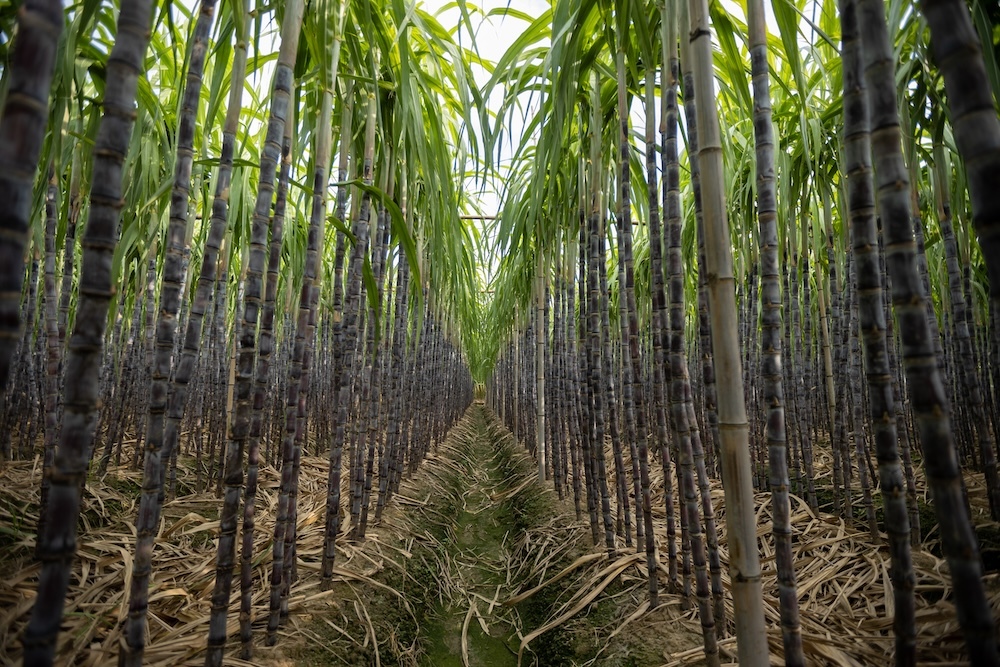
Bio-based materials are made from renewable biological sources — such as corn, sugarcane, hemp, algae, or agricultural byproducts — instead of oil or natural gas.
Examples in Use
- PLA (polylactic acid): A bioplastic made from fermented plant starch, used in packaging and disposable items.
- PHA (polyhydroxyalkanoates): Biodegradable polymers produced by microorganisms, suitable for films and coatings.
- Mycelium: Mushroom roots grown into packaging, leather alternatives, and insulation.
- Bagasse: Sugarcane pulp molded into food containers and plates.
Bio-Based Packaging Solutions
Compostable Packaging
PLA-based plastics and bagasse packaging can compost under industrial conditions, reducing waste if managed correctly.
Edible Films and Coatings
Made from seaweed or starch, edible films can wrap foods, eliminating the need for secondary packaging.
Recyclable or Renewable Hybrids
Some bio-based materials can be combined with recycled plastics or paper to reduce fossil inputs while maintaining durability.
Beyond Packaging: Other Applications
Textiles and Fashion
- Hemp and flax: Natural fibers with lower environmental footprints.
- Algae-based fibers: Emerging alternatives for fast fashion.
- Regenerative cotton: Bio-based but farmed using soil-restoring methods.
Construction and Design
- Hempcrete: A lightweight building material with carbon-sequestering potential.
- Mycelium bricks: Strong, renewable, and biodegradable.
- Bio-resins: Plant-based resins replacing fossil-derived adhesives.
Consumer Goods
- Bio-leathers: Made from pineapple leaves, apple waste, or mycelium.
- Cutlery and tableware: Compostable utensils and straws.
- Electronics: Bio-based casings for phones and gadgets are in early development.
Why Bio-Based Materials Matter
Reducing Fossil Fuel Dependence
Bio-based production reduces reliance on petroleum and helps decouple industries from oil and gas markets.
Lowering Emissions
Many bio-based materials store carbon during their growth phase, offsetting emissions compared to virgin plastic.
Building Circularity
When designed well, bio-based materials fit into circular systems: composting, recycling, or regenerating natural systems.
Challenges and Trade-Offs
- Industrial Composting Needed: Many bio-based plastics require high-heat facilities not widely available.
- Food vs. Materials: Using crops for plastics can compete with food production if not managed carefully.
- Greenwashing Risk: Not all bio-based products are biodegradable or truly sustainable.
What’s Changed in Recent Years
- Innovation boom: Startups are scaling algae-based and mycelium products.
- Corporate adoption: Major brands in food, fashion, and beauty are testing bio-based packaging.
- Policy drivers: Governments are funding bio-economy research and banning petroleum-heavy single-use plastics.
FAQs
Are all bio-based materials biodegradable?
No. Some, like PLA, are bio-based but only compost under specific industrial conditions. Others, like mycelium or bagasse, break down more naturally.
Are bio-based plastics better than recycled plastics?
They can reduce fossil fuel use, but recycled plastics keep materials in circulation. The best option often combines both approaches with overall reduced consumption.
Do bio-based materials cost more?
Currently yes, but costs are falling as production scales and demand increases.
Final Thoughts
Bio-based materials show how industries can move away from petroleum and toward regeneration. While challenges remain — from composting infrastructure to crop competition — these materials represent a powerful step toward sustainable packaging, fashion, construction, and beyond.
Small shifts — choosing products packaged in bagasse, wearing hemp over polyester, or supporting brands testing mycelium packaging — create ripples that reduce fossil dependence. Those ripples grow into waves that transform supply chains and restore balance between industry and nature.