






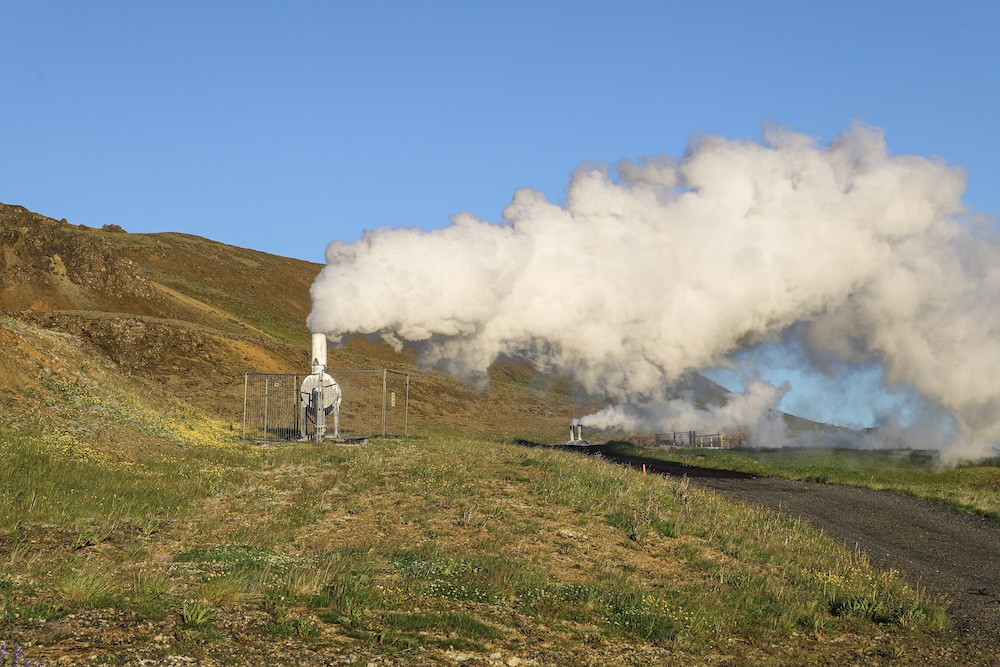
Geothermal power taps into heat stored beneath the Earth’s surface to generate electricity and provide direct heating. Unlike fossil fuels, it doesn’t require burning carbon-based materials, and unlike some renewables, it can operate continuously—day or night, in any weather.
Globally, geothermal is still a smaller slice of the energy mix compared to wind, solar, and hydro, but it’s a growing powerhouse in countries like Iceland, Kenya, the Philippines, and the United States. As the world seeks dependable, low-carbon energy solutions, geothermal’s unique strengths are gaining attention.
Let’s explore seven key ways it benefits both people and the planet.
1. Provides Reliable, 24/7 Renewable Power
One of geothermal power’s greatest strengths is its baseload capability—it can produce electricity around the clock, regardless of weather conditions. This makes it a perfect complement to variable renewables like solar and wind, helping keep grids stable and reliable.
Geothermal plants can operate at capacity factors above 90%, meaning they run at or near maximum output nearly all the time. That’s higher than almost any other power source, renewable or not.
2. Produces Very Low Greenhouse Gas Emissions
Over its lifetime, geothermal power produces as little as 1/6 the CO₂ emissions of natural gas and far less than coal. Most of these emissions are from trace gases naturally present in underground reservoirs, not from fuel combustion.
This low-carbon profile makes geothermal a valuable asset for countries aiming to meet climate goals and reduce reliance on fossil fuels.
3. Uses a Small Land Footprint
Compared to solar farms or large wind installations, geothermal plants require relatively little surface space for the same amount of power generation. Most of the infrastructure—like wells and pipes—is underground, leaving more land available for other uses such as agriculture, wildlife habitat, or recreation.
For example, a typical geothermal plant might occupy less than 1 square kilometer while generating enough power for tens of thousands of homes.
4. Supports Local Jobs and Economic Development
Geothermal projects bring skilled jobs in drilling, engineering, plant operations, and maintenance. These positions are often in rural or remote areas, where economic opportunities can be limited.
Additionally, the stable, long-term nature of geothermal plants—often operating for 30–50 years—provides ongoing employment and stimulates local business growth.
5. Offers Direct Heating and Cooling Solutions
Beyond electricity, geothermal heat can be used directly for district heating systems, greenhouses, aquaculture, and even industrial processes. In colder regions, geothermal district heating reduces the need for fossil-fuel boilers, lowering both costs and emissions.
Geothermal heat pumps can also provide highly efficient heating and cooling for homes and businesses, cutting energy bills while shrinking carbon footprints.
6. Has High Energy Efficiency
Geothermal plants convert heat to electricity with high efficiency, and because they don’t depend on fuel shipments or large storage systems, operational costs stay relatively low and predictable over decades.
Some binary-cycle geothermal plants can even produce power from relatively low-temperature resources, opening the door to more widespread use.
7. Encourages Technological Innovation
From enhanced geothermal systems (EGS) that can tap heat in previously inaccessible locations to hybrid plants that combine geothermal with other renewables, innovation is expanding geothermal’s potential.
These advancements could make geothermal viable in far more regions, transforming it from a niche resource to a global clean energy player.
Final Thoughts: The Quiet Strength of Geothermal Energy
While geothermal power isn’t as visible as wind turbines or solar panels, it offers something rare in the renewable energy world: constant, clean power with minimal land use and decades-long reliability. As drilling and heat-extraction technologies improve, geothermal could play a much larger role in the clean energy transition—powering cities, heating homes, and fueling industries without polluting the atmosphere.
For communities looking to secure both their energy future and environmental health, geothermal is an option worth serious consideration.

