






Synthetic dyes are everywhere — in our clothes, food, makeup, and even kids’ toys. But most are made from petrochemicals, require toxic heavy metals, and pollute rivers during production. The alternative isn’t new. It’s ancient.
Natural dyes come from plants, minerals, and insects. They’ve colored textiles, foods, and art for thousands of years. And today, they’re making a comeback as a safer, more sustainable option.
Here’s a guide to natural dyes — broken down by categories of use — to show how they can replace harmful synthetics in everyday life.
Natural Dyes for Food
Food dyes are some of the most obvious places where sustainability meets health. Synthetic colors (like Red 40 or Yellow 5) are linked to environmental harm and health concerns. Natural dyes provide safer alternatives.
- Turmeric: Bright yellow-orange; used in curries, drinks, sauces.
- Beetroot: Deep red or pink; used in juices, baked goods, plant-based burgers.
- Spirulina: Vibrant blue-green; used in smoothies, candies, natural “blue” frosting.
- Paprika / Annatto Seeds: Orange-red hues; used in cheeses, butter, and snacks.
- Spinach Powder: Green; used for pasta, chips, and health foods.
Impact: Reduces reliance on petroleum-based dyes in processed food. Offers natural antioxidants and nutrients rather than chemical additives.
Natural Dyes for Clothing & Textiles
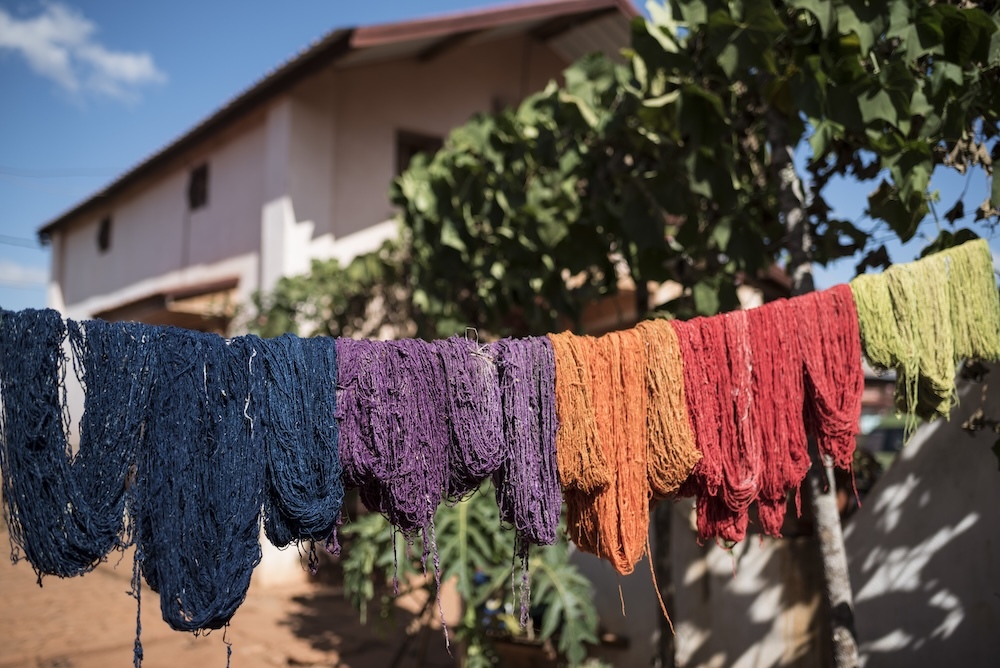
Textiles are one of the biggest polluters when it comes to synthetic dyes — releasing toxic wastewater and microplastics into rivers. Natural dyes reconnect fashion with earth-friendly sources.
- Indigo (Indigofera plant): Iconic deep blue; used for denim, cotton, and wool.
- Madder Root: Rich reds and pinks; used for cotton, silk, wool.
- Walnut Hulls: Warm browns; versatile for linen, cotton, wool.
- Onion Skins: Golden yellows; accessible DIY dye.
- Cochineal (insect): Bright crimson; used historically in fine textiles.
- Avocado Pits & Skins: Soft pinks; popular for small-batch clothing makers.
Impact: Cuts down on toxic dye runoff, supports artisanal crafts, and reduces fossil-fuel dependency in fashion.
Natural Dyes for Cosmetics & Body Care
The beauty industry is notorious for synthetic colorants that wash off into water systems. Natural pigments offer gentler, biodegradable alternatives.
- Henna: Orange-red hues; used for hair coloring and skin decoration.
- Activated Charcoal: Black or gray; used in soaps, masks, eyeliners.
- Alkanet Root: Purples and reds; used in lip balms and salves.
- Beet Powder: Pink-red tint; natural blush or lip stain.
- Turmeric: Golden yellow; used for masks, scrubs, and tints.
Impact: Safer on skin, biodegradable, and reduces petrochemical runoff from makeup and personal care products.
Natural Dyes for Art & Craft
Artists, designers, and DIYers can use natural dyes as non-toxic, sustainable mediums.
- Coffee / Tea: Sepia browns; used for paper staining and watercolor effects.
- Red Cabbage: pH-sensitive dye shifting from pink to blue to green.
- Beets, Turmeric, Spinach: Used for natural inks and paints.
- Clay and Ochres: Mineral pigments used since ancient times in painting.
Impact: Non-toxic art supplies are safer for children, classrooms, and waterways.
Don’t We Deserve Better Than Toxic Colors?
Synthetic dyes are cheap, vibrant, and stable — but at a cost: polluted rivers, petrochemical extraction, health risks, and microplastics in ecosystems.
Natural dyes reconnect us with sources that are safe, renewable, and often regenerative. They remind us that color doesn’t need to cost the earth.
Don’t we deserve better than rivers that run blue with chemical waste, or children eating candies tinted with petroleum? Don’t we deserve colors that heal, not harm?
FAQs
Do natural dyes last as long as synthetic ones?
Natural dyes can fade faster, but techniques like mordanting (using natural fixatives like alum or tannins) make them durable.
Are natural dyes always sustainable?
Not automatically. Large-scale production can pressure ecosystems (e.g., cochineal or indigo). The key is small-scale, local, or responsibly sourced use.
Can natural dyes work in modern industries?
Yes. Fashion brands and food producers are experimenting with scaling natural dyes. But systemic change is needed to replace toxic synthetics fully.
Can I try natural dyeing at home?
Absolutely. Onion skins, avocado pits, turmeric, and beetroot are common entry points for DIY dyeing.
Final Thoughts
Natural dyes are more than color. They are symbols of connection — to the earth, to craft, to food that nourishes instead of pollutes.
Across food, textiles, cosmetics, and art, natural dyes prove that beauty doesn’t need to come from fossil fuels or toxins. It can come from roots, leaves, seeds, and minerals that give back to the systems they come from.
A circular world demands circular colors. And natural dyes bring us closer to that vision.