



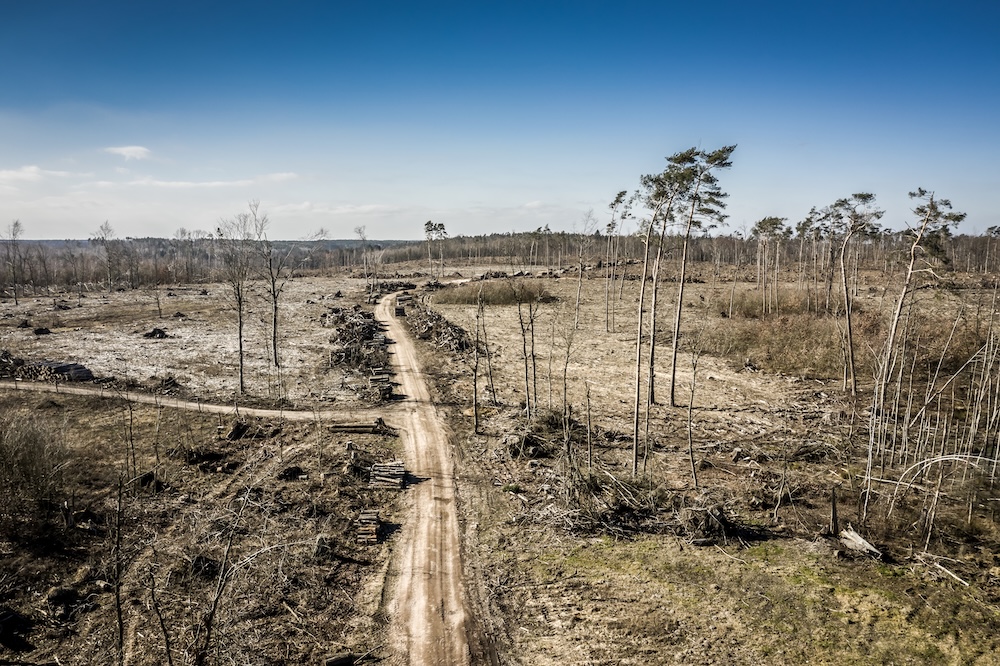
Deforestation for agriculture refers to clearing forests to make way for farming, livestock grazing, and cash crops. While this practice has supported food production for centuries, its environmental consequences are profound. Forest loss fuels climate change, disrupts ecosystems, and accelerates biodiversity decline.
In this guide, we’ll explore the impacts of agricultural deforestation, highlight sustainable alternatives, and share practical ways individuals and organizations can support regenerative food systems.
The Loss of Biodiversity
Forests are home to more than 80% of terrestrial plants and animals. When they are cleared for farmland, countless species lose their habitats. Some adapt, but many become endangered or extinct.
Biodiversity loss doesn’t just harm wildlife — it undermines human survival, too.
- Pollination: Bees, birds, and insects essential for crops decline without forest ecosystems.
- Seed dispersal: Species that maintain forest regeneration vanish.
- Nutrient cycling: Soils degrade without diverse organisms maintaining fertility.
Every species lost reduces ecosystem resilience, weakening nature’s ability to regulate climate and provide food, clean air, and water.
Climate Change and Deforestation
Forests act as carbon sinks, pulling CO₂ out of the atmosphere. When trees are cut and burned, stored carbon is released, accelerating global warming.
The impact is twofold:
- Carbon emissions: Deforestation accounts for around 10% of global greenhouse gas emissions (IPCC).
- Reduced absorption: Fewer trees mean less carbon captured from the atmosphere.
Locally, forests also regulate rainfall and temperature. Removing them disrupts water cycles, leading to droughts, floods, and unpredictable weather patterns that harm farmers themselves.
Sustainable Agriculture: Alternatives to Deforestation
The good news: farming doesn’t have to destroy forests. Approaches rooted in circular and regenerative principles can balance food security with ecosystem health.
Organic and Regenerative Farming
These methods avoid synthetic pesticides and fertilizers, focusing instead on composting, crop rotation, and soil-building practices that reduce the need for land expansion. Regenerative farming goes further by restoring degraded soils, increasing carbon capture, and boosting biodiversity on farms.
Permaculture
Permaculture designs agricultural systems that mimic natural ecosystems. By integrating crops, trees, and animals, it creates productive landscapes with minimal waste and external inputs.
Agroforestry
Agroforestry weaves trees into croplands and pastures. Benefits include:
- Improved soil health through nitrogen-fixing trees.
- Shade for livestock and crops, reducing water stress.
- Additional harvests of fruits, nuts, and timber without clearing new land.
These approaches demonstrate that food systems can regenerate rather than deplete natural resources.
How Organizations Support Change
Several organizations are helping reduce agricultural deforestation:
- Rainforest Alliance works with farmers and companies to certify crops that meet strict environmental and social standards.
- World Wildlife Fund (WWF) partners with governments and businesses to promote sustainable land use and market incentives for deforestation-free supply chains.
- FAO (UN Food and Agriculture Organization) supports global programs in sustainable forestry and climate-smart agriculture.
Their work highlights how systemic change — from local farmers to global markets — is possible when sustainability becomes the norm.
What You Can Do
Consumers play a crucial role in reducing deforestation:
- Choose products with credible certifications (Rainforest Alliance, Fairtrade, Organic).
- Reduce food waste — less demand for farmland means fewer forests cleared.
- Support regenerative agriculture by buying from local, sustainable farms.
- Explore plant-based meals — shifting diets can ease pressure on forests used for livestock feed.
Small choices ripple outward. Every meal sourced from sustainable systems signals to farmers and companies that forests matter.
Final Thoughts
Deforestation for agriculture is one of the greatest environmental challenges of our time. It threatens biodiversity, accelerates climate change, and disrupts ecosystems. Yet, alternatives like regenerative farming, permaculture, and agroforestry prove that feeding the world doesn’t have to mean destroying forests.
By supporting organizations driving sustainable change and making conscious daily choices, we can help protect forests — ensuring they continue to provide oxygen, regulate climate, and shelter life for generations to come.


Reader Interactions