





Environmental Impact Assessment (EIA) is a cornerstone of sustainable development. By identifying, predicting, and evaluating the potential impacts of projects before decisions are made, EIA ensures that economic growth does not come at the expense of ecosystems, community well-being, or future generations.
What Is an Environmental Impact Assessment?
The International Association for Impact Assessment defines EIA as “the process of identifying, predicting, evaluating, and mitigating the biophysical, social, and other relevant effects of development proposals prior to major decisions being taken and commitments made.”
Put simply, EIA is a safeguard—a way to anticipate the ripple effects of human activity before they become irreversible.
The Purpose of EIA
Identifying Environmental Risks
EIA examines how a project might affect air, water, soil, biodiversity, and ecosystems. By identifying risks early, decision-makers can apply mitigation measures such as pollution controls, biodiversity offsets, or circular economy solutions that reduce waste and conserve resources.
Promoting Sustainable Development
EIA ensures that development is more than profit-driven. It integrates environmental, social, and economic considerations, aligning projects with sustainability principles and ensuring long-term benefits.
Stakeholder Engagement
EIA invites participation from local communities, NGOs, scientists, and government agencies. This collaborative approach increases transparency and accountability while ensuring local knowledge is valued.
Scientific Knowledge and Expertise
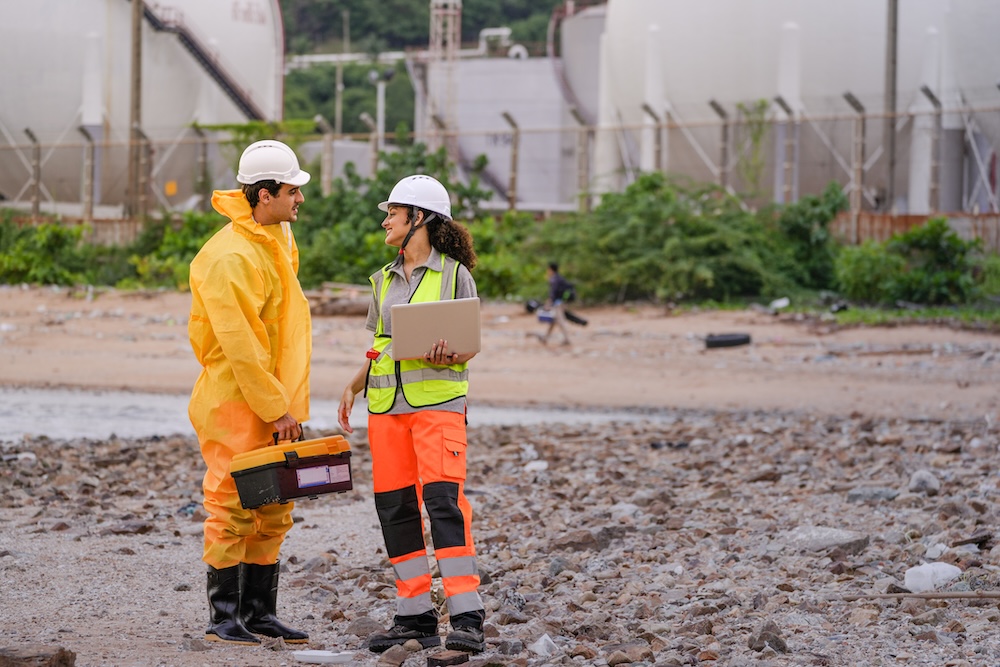
Sound science underpins EIA. Experts collect data, model scenarios, and assess risks, helping leaders make evidence-based decisions rather than assumptions.
Balancing Costs and Benefits
EIA evaluates a project’s economic, social, and environmental trade-offs. This broader lens helps uncover alternatives that minimize environmental harm while maximizing social or economic gains.
Key Features of EIA
- Risk Identification: From deforestation to noise pollution, EIAs assess how proposed activities could disrupt systems.
- Sustainability Lens: Projects are examined not only for immediate returns but for long-term viability.
- Stakeholder Input: Communities help shape projects, reducing conflict and increasing social license to operate.
- Scientific Rigor: Evidence-driven assessments strengthen credibility.
- Trade-Off Awareness: EIAs weigh short-term costs against long-term sustainability.
Rethinking EIA: Beyond Risk Mitigation
Traditionally, EIAs focus on reducing harm. But a modern approach also highlights positive ripple effects, such as:
- Creating jobs and local economic opportunities
- Advancing renewable energy adoption
- Supporting infrastructure that improves quality of life
- Regenerating ecosystems alongside development
By assessing both positive and negative outcomes, EIA helps chart a path toward projects that add value across people, planet, and prosperity.
Challenges in Environmental Impact Assessment
- Complexity: EIAs involve multiple disciplines, stakeholders, and regulatory layers, making implementation challenging.
- Uncertainty: Predicting environmental outcomes is difficult given ecosystem dynamics, technological change, and human behavior.
- Unforeseen Consequences: Even robust assessments may miss impacts that emerge years later. Adaptive management and monitoring are essential.
Factors That Influence EIA Outcomes
- Stakeholder Engagement: Meaningful participation improves outcomes and builds trust.
- Scientific Capacity: Access to current data and expertise determines accuracy.
- Balanced Cost–Benefit Analysis: Decisions informed by social and ecological values—not just economic returns—better align with sustainability.
Conclusion
Environmental Impact Assessment is more than a bureaucratic requirement—it is a practical tool for guiding humanity toward a sustainable future. By integrating risk analysis, community voices, and scientific knowledge, EIAs help ensure that projects create positive ripple effects rather than lasting damage. As climate change, biodiversity loss, and resource pressures intensify, strengthening and rethinking EIA will be key to balancing human progress with planetary health.

