
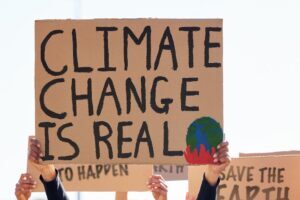




When it comes to building a more sustainable wardrobe, it’s not enough to look at style or price — we need to consider the planetary and ethical footprint of our clothing. The fashion industry is responsible for around 10% of global carbon emissions, with much of that tied to resource-intensive materials and fast fashion waste. Among natural fibers, wool stands out as a renewable, biodegradable option — but only when sourced and produced responsibly.
Why Wool Is Considered Sustainable
- Biodegradable: Unlike synthetics such as polyester, which shed microplastics and persist for centuries, wool breaks down naturally when composted, returning nutrients to the soil.
- Renewable: Sheep regrow their fleece every year, meaning wool can be continually harvested without depleting natural resources.
- Lower energy needs: Compared to synthetic fabrics, which require petrochemicals and energy-intensive processing, wool production relies primarily on grazing and shearing.
- Performance properties: Wool regulates temperature, wicks moisture, resists odors, and lasts longer than many synthetic fabrics — reducing the need for frequent replacement.
These qualities make wool an important material in the shift toward a circular fashion system, where garments last longer, waste is minimized, and materials can safely re-enter the environment at the end of their life.
Ethical Considerations in Wool Production
Sustainability cannot be separated from ethics. Wool production has faced serious scrutiny in recent years, particularly around animal welfare:
- Shearing practices: Humane handling is essential, but poor practices can harm sheep. Certifications help ensure standards are met.
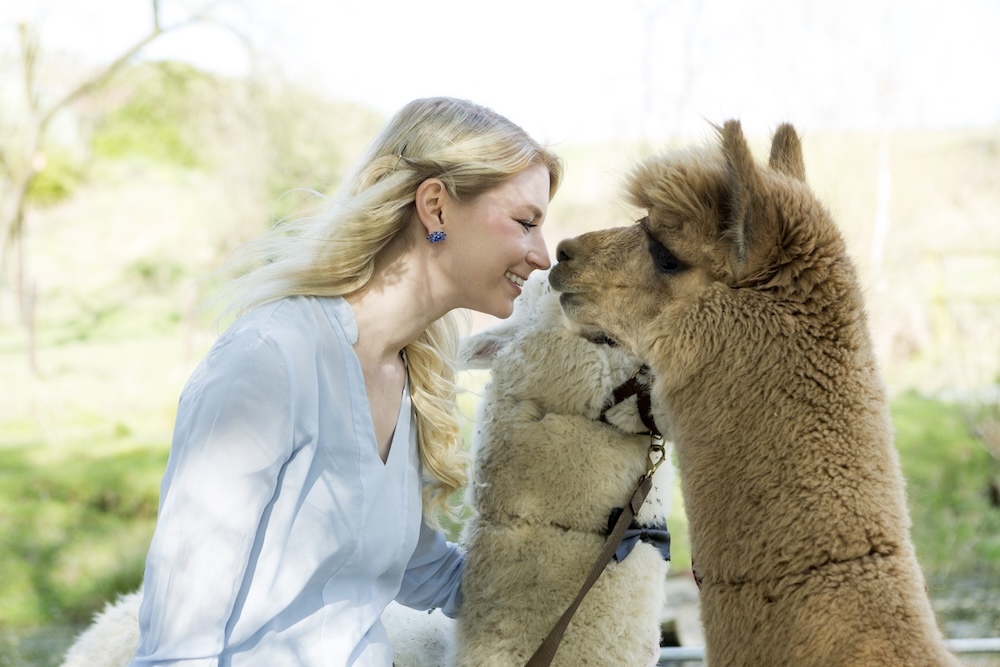
- Mulesing: This controversial practice — removing strips of skin to prevent flystrike — is painful and increasingly rejected by ethical producers. Alternatives like selective breeding and better farm management are gaining traction.
- Living conditions: Access to pasture, proper veterinary care, and freedom from overcrowding are key for animal welfare.
The good news: more producers are embracing certification systems like the Responsible Wool Standard (RWS), ZQ Merino, and Global Organic Textile Standard (GOTS), which set requirements for both animal welfare and environmental responsibility.
The Environmental Challenges of Wool
Wool is natural, but it’s not impact-free. Key issues include:
- Methane emissions: Sheep emit methane, a potent greenhouse gas, contributing to climate change.
- Overgrazing: Poor land management can lead to soil erosion, water scarcity, and biodiversity loss.
- Water and chemical use: Scouring (cleaning wool) can be water-intensive and sometimes involves harsh chemicals if not managed responsibly.
Solutions are emerging: rotational grazing to restore soils, regenerative agriculture practices that capture carbon, and closed-loop cleaning systems that reduce water use and pollution. Conscious brands are beginning to prioritize these approaches.
The Benefits of Choosing Wool Clothing
When responsibly produced, wool clothing offers meaningful advantages:
- Durability: Wool’s natural elasticity helps garments retain their shape, extending lifespan.
- Versatility: From insulating base layers to lightweight dresses, wool adapts to many uses.
- Reduced waste: Longer lifespans mean fewer replacements, cutting down textile waste.
- Comfort: Hypoallergenic and breathable, wool works in both hot and cold climates.
By lasting longer and composting safely, wool garments support less consumption and less pollution — a direct counter to fast fashion’s throwaway cycle.
What Consumers Can Do
- Look for certifications: RWS, ZQ Merino, GOTS, Soil Association, and Oeko-Tex indicate higher standards for sustainability and ethics.
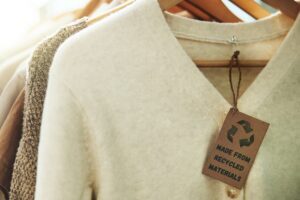
- Choose regenerative or recycled wool: Some brands are now incorporating recycled fibers to close the loop.
- Support transparency: Buy from brands that disclose sourcing and animal welfare practices.
- Prioritize quality over quantity: Fewer, better garments reduce demand for high-impact fast fashion.
- Compost or repurpose: At end of life, wool can return safely to the earth if untreated with synthetics.
Final Thoughts
Wool is not a perfect solution — no material is. But when farmed and processed responsibly, it represents a renewable, biodegradable, and durable alternative to fossil-fuel-based synthetics and throwaway fashion.
The challenge is ensuring that wool is truly ethical and sustainable, not greenwashed. This means supporting regenerative grazing, rejecting harmful practices like mulesing, and rewarding brands that put animal welfare, environmental stewardship, and transparency before profits.
As consumers, our role is to be conscious and selective. Every wool sweater, coat, or scarf purchased from a responsible source is a statement: that fashion can work with the planet rather than against it.