





Why Energy Efficiency in Household Appliances Matters
Household appliances account for a significant share of residential energy use worldwide. From refrigerators and washing machines to entertainment systems and lighting, every device we plug in contributes to overall electricity demand. While vacuums may seem like a small part of this picture, the cumulative effect of millions of homes using them regularly is substantial.
Traditional upright vacuums often draw between 1,000 and 1,800 watts of power when running. Smart vacuums, by contrast, are generally engineered to consume far less energy per session, often in the 30–100 watt range, depending on model and suction settings. When combined with scheduling and automation, this efficiency translates into measurable reductions in electricity consumption over time.
As energy efficiency becomes a key driver in global sustainability goals, the shift toward smarter, less power-hungry appliances reflects a broader cultural move: reducing emissions at home to support planetary health.
How Smart Vacuums Achieve Energy Efficiency
Smart vacuums incorporate features that make them significantly more energy-efficient compared to traditional models.
- Adaptive Cleaning Technology: Equipped with sensors and machine learning algorithms, smart vacuums adjust suction power and cleaning duration depending on the type of flooring and level of debris. This prevents unnecessary overuse of energy.
- Power-Saving Modes: Many models offer eco-modes or quiet modes that reduce suction strength for lighter cleaning tasks, conserving power without sacrificing cleanliness.
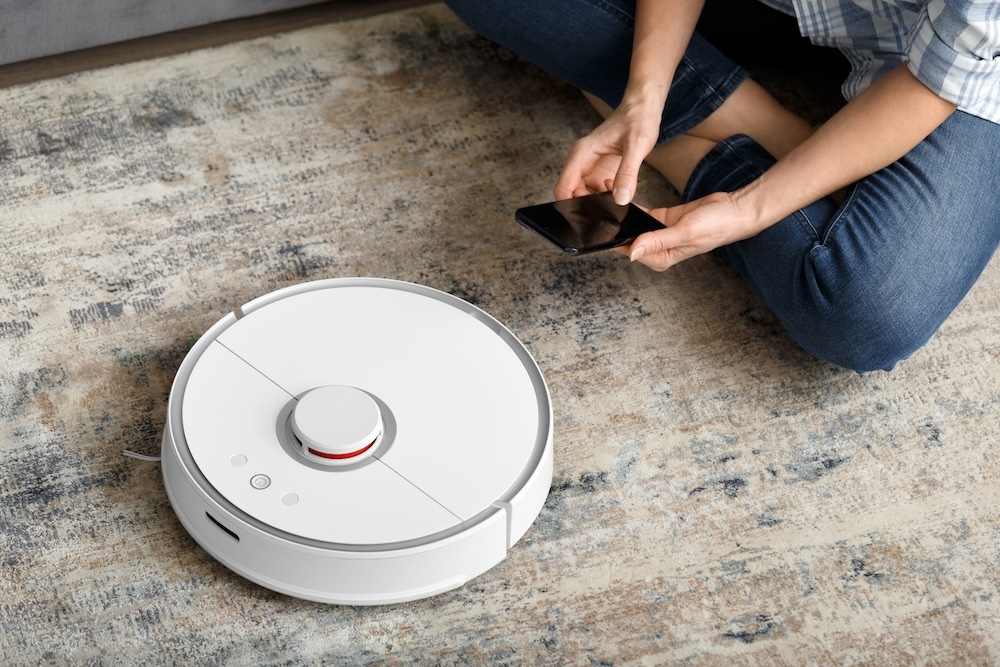
- Smart Scheduling: By programming vacuums to clean only when needed, users avoid excessive use. Regular, shorter cleaning sessions are more efficient than infrequent, long sessions with higher suction.
- Docking & Auto-Charging: Smart vacuums only recharge when needed and return to their docks automatically, reducing idle power use compared to devices that remain plugged in constantly.
Compared to traditional vacuums that run at full capacity whenever switched on, these features ensure that smart vacuums only consume as much energy as necessary.
Environmental Benefits Beyond Electricity Use
Energy savings are just one part of the sustainability equation. Smart vacuums also bring environmental benefits in other ways:
- Improved Indoor Air Quality: Many are fitted with HEPA filters and cyclonic separation systems, capturing dust, allergens, and microscopic particles without requiring additional cleaning agents. This reduces the need for harsh chemical cleaners that can harm ecosystems when disposed of improperly.
- Water & Resource Conservation: By minimizing reliance on sprays and detergents, households lower their consumption of packaged cleaning products, reducing plastic waste and water used in their production.
- Durability & Reduced Waste: Smart vacuums are designed with long-lasting components, rechargeable batteries, and replaceable parts. Longer lifespans reduce the cycle of frequent disposal and replacement common with cheaper vacuum models.
- Lower Greenhouse Gas Emissions: Less electricity use equals fewer emissions at the power generation stage, especially in regions still dependent on fossil fuels.
Lifecycle Sustainability Considerations
A vacuum’s environmental footprint goes beyond how much power it uses when cleaning. The full lifecycle impact includes manufacturing, materials, shipping, and disposal.
- Raw Materials: Batteries, plastics, and circuit boards all require resource extraction and processing. Mining for lithium and rare earth elements, for example, has significant ecological consequences.
- Recyclability: Many vacuums are made of mixed materials that are difficult to recycle. Manufacturers improving modular designs that allow easy disassembly are helping reduce e-waste.
- Eco-Certifications: Programs such as ENERGY STAR and EPEAT provide benchmarks for energy efficiency and sustainable materials sourcing. Consumers who prioritize certified models help push the market toward greener practices.
- Right-to-Repair & Extended Lifespans: Policies emerging in the EU and elsewhere emphasize repairability to reduce premature disposal of electronics, and manufacturers are slowly responding with replaceable batteries and modular components.
User Practices to Maximize Sustainability
Even the most efficient smart vacuum requires sustainable usage habits from consumers. Small behavioral changes can greatly enhance its eco-benefits:
- Short, Frequent Cleaning Sessions: Light, regular cleanings consume less power than infrequent, deep cleanings.
- Use Off-Peak Hours: Running vacuums when electricity demand is lower reduces strain on the grid and can lower indirect emissions if utilities rely on fossil fuels during peak hours.
- Proper Maintenance: Cleaning filters, brushes, and sensors improves efficiency and extends lifespan, preventing early disposal.
- Responsible Disposal: Donating functional older models or using electronics recycling programs prevents devices from ending up in landfills.
Industry Innovations Driving Greener Design
Manufacturers are continuously investing in research and development to make smart vacuums more sustainable:
- Battery Efficiency Improvements: Advances in lithium-ion technology are extending runtimes and reducing the need for frequent recharging.
- AI Optimization: Smarter mapping and navigation mean less time spent vacuuming, conserving energy per cleaning session.
- Renewable Integration: Some companies are exploring solar-compatible charging docks or connecting smart vacuums to broader smart-home systems powered by renewable energy.
- Eco-Friendly Materials: The use of recycled plastics and non-toxic materials in casings and filters is becoming more common, aligning with circular economy principles.
Industry-wide, these innovations signal a commitment to designing appliances that align with climate goals and resource conservation efforts.
Challenges and Future Outlook
Despite progress, challenges remain in making smart vacuums fully sustainable:
- E-Waste Concerns: Electronics remain difficult to recycle at scale, and batteries pose particular hazards if not properly processed.
- Upgrade Cycles: The consumer electronics industry often encourages frequent upgrading, which undermines sustainability even if individual models are efficient.
- Global Access: While smart vacuums are popular in developed markets, affordability and infrastructure challenges limit their adoption in lower-income regions.
Looking ahead, regulatory pressure, consumer demand for transparency, and advances in renewable-powered smart homes will likely push this sector toward even greater sustainability. Smart vacuums may evolve into multi-functional devices that integrate air purification, mopping, and recycling functions, reducing the need for multiple appliances.
Conclusion
Smart vacuums represent a small but meaningful innovation in sustainable household living. By consuming less energy, reducing reliance on chemical cleaners, and lasting longer than traditional models, they provide clear environmental benefits. Yet, their ultimate sustainability depends on both manufacturer practices and consumer choices.
As households continue to adopt energy-efficient appliances, each incremental improvement contributes to the broader fight against climate change. Smart vacuums demonstrate how innovation in design, thoughtful usage, and a commitment to sustainability can align to create cleaner homes and a healthier planet.