






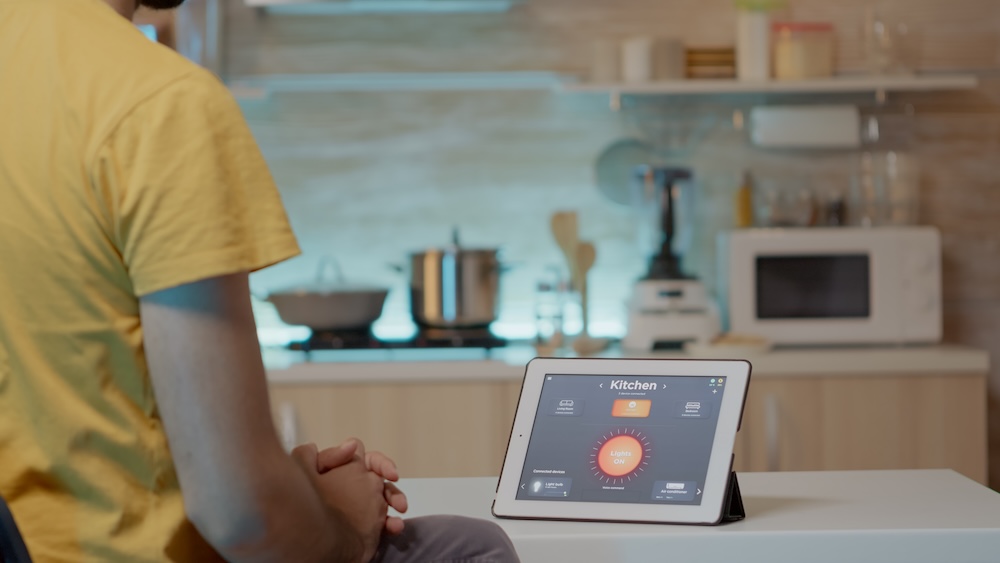
We’ve been promised smart homes for decades — the kind that would anticipate our needs, cut our energy bills, and maybe even make our coffee before we wake up. The difference today? The tech has finally caught up. What was once a niche luxury is now becoming a mainstream reality. But as this technology evolves, so do the opportunities — and the risks.
The Smart Home of Today
The modern smart home is far beyond a few connected gadgets. According to Statista, the global smart home market was valued at over $100 billion in 2023 and is projected to nearly double by 2028. Adoption is being driven by falling prices, better integration, and growing consumer demand for convenience, energy savings, and security.
Popular categories include:
- Smart thermostats like Nest and Ecobee that adapt to your schedule.
- Smart locks that allow remote access and digital keys.
- Automated lighting that turns on, dims, or changes color based on your preferences.
- Home security systems with motion sensors, cameras, and AI-driven alerts.
These devices are typically controlled via a central hub — like Amazon Echo, Google Nest Hub, or Apple HomePod — or a smartphone app, giving homeowners control from anywhere.
The Green Side of Smart Homes
Smart homes aren’t just about convenience — they’re quietly reshaping home energy efficiency.
- Smart thermostats can cut heating and cooling bills by up to 10–15% annually, according to the U.S. Department of Energy.
- Motion-sensitive or automated lighting reduces unnecessary electricity use.
- Integrated home energy management systems can balance power demand, store excess solar energy, and even sell it back to the grid.
On a larger scale, widespread adoption of energy-efficient smart homes could significantly reduce urban energy consumption and greenhouse gas emissions — especially as they integrate with renewable energy sources like solar panels and battery storage.
Current Limitations and Growing Pains
Despite the benefits, smart home adoption faces challenges:
1. Lack of Standardization
Different manufacturers often use different communication protocols (Zigbee, Z-Wave, Wi-Fi, Thread). This fragmentation makes device compatibility a headache.
2. Privacy and Cybersecurity Risks
Every connected device is a potential target for cyberattacks. A 2023 Kaspersky report found that attacks on smart home devices increased 72% year-over-year. Without proper security practices, homeowners risk unauthorized surveillance or data theft.
3. Technical Complexity
While setup has improved, advanced configurations can still intimidate the average homeowner. Even “plug-and-play” devices often require troubleshooting and software updates.
4. Cost Barriers
Although prices are dropping, fully outfitting a home can still require thousands of dollars upfront.
Trends Shaping the Future of Smart Homes
AI-Powered Personalization
Artificial intelligence is shifting smart homes from reactive to proactive. Instead of simply responding to commands, future systems will learn user patterns, anticipate needs, and make adjustments without prompting. Imagine your home adjusting temperature, lighting, and music automatically based on your past behavior and current mood.
The Rise of the Internet of Things (IoT)
IoT expansion means more everyday objects — from refrigerators to window blinds — will be connected. McKinsey estimates that by 2030, there could be 500 billion IoT-enabled devices worldwide. In homes, this means greater automation possibilities and seamless control over an increasing number of systems.
Voice Control as the Default Interface
Voice assistants like Alexa, Google Assistant, and Siri are already popular, but expect deeper integration. In the near future, voice commands could control entire “modes” — like “Bedtime” — that lock doors, dim lights, lower the thermostat, and arm the security system in one step.
Smarter Security
AI-enhanced security systems are evolving beyond basic alerts. Some can distinguish between a family member, delivery driver, and potential intruder. Others integrate with neighborhood networks to share alerts and video footage, creating a community-level safety net.
Home Energy Autonomy
Integration with renewable energy and battery systems will enable smart homes to become “microgrids” — capable of running independently during outages or peak demand periods. As climate-related weather events increase, this resilience will be critical.
Sustainability-Driven Design
Expect more devices designed with repairable components, recycled materials, and energy-efficient operation. Regulatory pressure in regions like the EU is already pushing for more sustainable electronics.
Benefits Worth the Hype
Convenience
Control your lights, climate, and locks from anywhere. Create automated routines that simplify daily life — from waking up to winding down.
Energy Efficiency
Smart homes can optimize power use in real time, cutting waste and lowering utility bills while reducing your carbon footprint.
Security
24/7 remote monitoring, smart locks, and AI-driven threat detection provide peace of mind. Some systems even allow two-way communication through doorbell cameras.
Home Value Boost
Coldwell Banker found that 81% of prospective buyers are more likely to purchase a home equipped with smart technology, and many are willing to pay more for it.
Challenges and Concerns to Address
Privacy Risks
The more data a smart home collects, the more valuable it is to hackers — and potentially to corporations. Consumers must demand strong encryption, transparent data policies, and regular software updates.
Upfront Cost
While the price per device is falling, outfitting an entire home can still run into thousands. Financing and modular installation options may help widen adoption.
Device Compatibility
Until manufacturers fully embrace interoperability standards like Matter, homeowners may still face the “walled garden” problem where devices from different brands don’t play well together.
E-Waste Concerns
Rapid product cycles can lead to discarded electronics. Manufacturers will need to design devices for longer lifespans and recyclability.
Environmental and Societal Impact
If deployed at scale, smart homes could help cities manage energy demand more efficiently, integrate renewables, and reduce emissions. But the environmental benefits will only be realized if devices are produced sustainably and supported with long-term software updates to avoid premature obsolescence.
Societally, smart homes could assist aging populations with remote health monitoring, fall detection, and daily living support — allowing seniors to live independently longer. The WHO projects that by 2050, one in six people globally will be over 65, making these capabilities increasingly relevant.
What to Watch for Next
- Wider adoption of Matter and other interoperability standards, making mixed-brand systems seamless.
- Increased AI integration for predictive maintenance — flagging issues before they become costly repairs.
- Greater use of biometric controls like facial recognition for security and personalization.
- Expansion of subscription models where smart home features are offered as services, not just devices.
Final Thoughts
Smart homes are no longer a futuristic fantasy — they’re here, evolving, and influencing how we live. The coming decade will see them become more intelligent, sustainable, and accessible. But with greater capability comes greater responsibility: to secure our data, minimize environmental impact, and ensure that this technology serves people — not just profits.

