






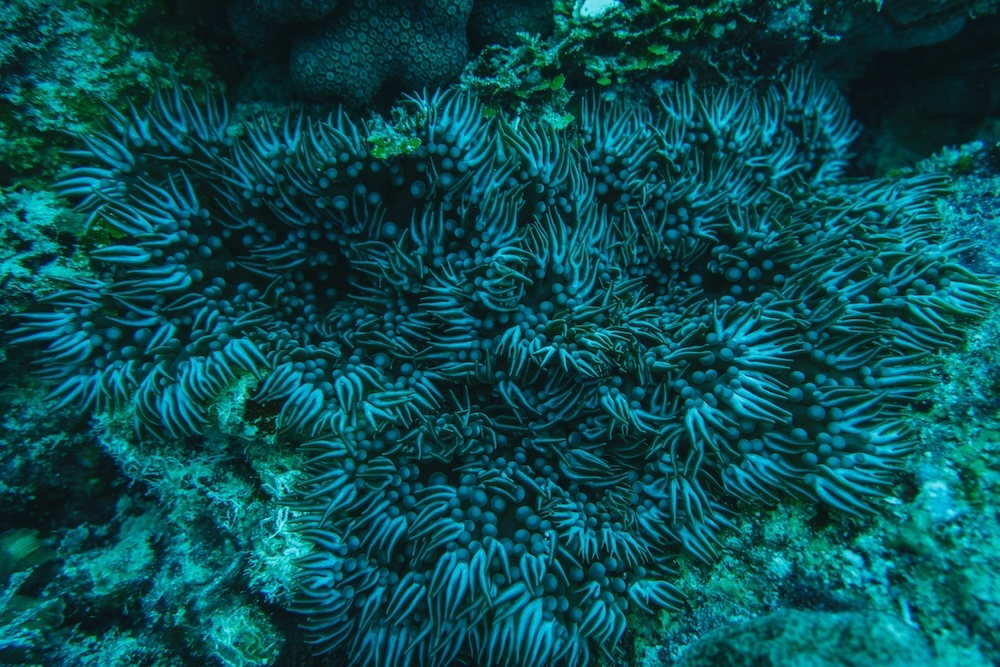
When we imagine coral reefs, we picture sunlight filtering through turquoise water — colorful fish weaving through branching coral. But not all reefs live in the light. Beneath the surface, in waters too deep for sunlight to reach, lie ancient coral and sponge ecosystems that have been growing for hundreds, sometimes thousands, of years.
These deep-sea reefs are less known but no less vital. They are the ocean’s archives — silent, slow-growing structures that record centuries of change, supporting life in places we rarely see.
What Makes a Coral Reef an Ecosystem
A coral reef isn’t just coral. It’s a complex community built from many living layers:
- Reef-building corals that form calcium carbonate skeletons.
- Sponges that filter nutrients and house countless microorganisms.
- Algae and microbes that drive energy flow and recycling.
- Fish, crustaceans, and mollusks that depend on the reef for food and shelter.
Together, these organisms create one of the most biodiverse ecosystems on Earth — and they exist from shallow lagoons to the ocean’s twilight depths.
The Forgotten Reefs of the Deep
Below 200 meters, sunlight fades and photosynthesis stops. Yet in these cold, dark waters, deep-sea corals build vast, slow-growing reefs. Instead of living with algae like tropical corals, these species feed on plankton carried by ocean currents.
Some of these reefs have been found at depths of 2,000 meters, stretching for miles along continental slopes and submarine canyons. They grow only a few millimeters a year, forming structures that can live for more than 1,000 years.
Ancient Builders
- Lophelia pertusa, a cold-water coral, forms white labyrinths that serve as nurseries for fish and crustaceans in the North Atlantic.
- Paragorgia, or bubblegum coral, can grow to the size of a small tree and live for centuries.
- Glass sponges, with skeletons made of silica, filter thousands of liters of seawater per day and host unique microbial life.
These organisms form reefs that rival tropical ones in complexity — just without the color.
Why Deep Reefs Matter
1. Biodiversity Reservoirs
Deep-sea reefs support species that exist nowhere else on Earth. Many fish migrate between shallow and deep reefs, using them as seasonal refuges or breeding grounds.
2. Climate Records
The skeletons of ancient corals contain chemical signatures that reveal past ocean temperatures and chemistry, helping scientists understand how the climate has changed over centuries.
3. Genetic Reservoirs
Cold-water corals and deep sponges possess unique adaptations to pressure, darkness, and temperature. Their genetics may hold keys to medical and biotechnological discoveries — from cancer research to sustainable materials.
4. Ecosystem Stability
Deep reefs stabilize sediment, influence nutrient cycles, and connect marine food webs between the surface and the ocean floor.
Threats to Deep-Sea Coral Ecosystems
Even in the darkness, human impacts reach far.
- Bottom trawling — heavy nets dragged across the seafloor — can destroy reefs that took centuries to grow in just a few minutes.
- Oil and gas drilling releases sediment, noise, and hydrocarbons that damage fragile corals.
- Climate change and ocean acidification weaken coral skeletons, even at depth.
- Deep-sea mining threatens to strip habitats before they are even fully discovered.
A 2023 study estimated that up to 50% of mapped deep-sea coral habitats have already been damaged by trawling or resource extraction.
The Connection Between Shallow and Deep Reefs
Deep reefs are not isolated worlds — they are part of a continuum. Fish species like groupers, snappers, and jacks use deep reefs as refuge when shallow waters become too warm. Scientists call this the “deep reef refuge hypothesis.”
Protecting deep reefs may therefore safeguard the recovery of shallow reefs in a warming world. But if both are lost, the ocean loses its safety net.
Ancient Sponges: The Ocean’s Filters
Sponges are among the oldest animal groups on Earth, existing for over 600 million years. On deep reefs, they filter vast volumes of seawater — removing bacteria, recycling nutrients, and even storing carbon.
Their porous bodies provide habitat for countless small creatures, turning silent stone-like mounds into thriving underwater metropolises.
Yet sponges are extremely slow-growing, and once damaged, they may take hundreds of years to recover.
Protecting the Reefs We Can’t See
Because deep reefs lie beyond the reach of divers and often beyond public awareness, they’re especially vulnerable. Conservation efforts are beginning to include them in marine protected areas (MPAs) and UNESCO deep-sea heritage zones, but global coverage remains limited.
Technology now allows scientists to map these reefs using submersibles and sonar, revealing ecosystems more intricate than anyone imagined — and far older than any human civilization.
What We Can Do
- Support policies that ban deep-sea trawling and drilling near coral ecosystems.
- Reduce fossil fuel demand, which drives exploration and extraction in fragile marine zones.
- Back organizations studying deep reefs and pushing for their protection.
- Raise awareness — protecting what we cannot see requires knowing it exists.
FAQs
How old are deep-sea coral reefs?
Some are estimated to be over 1,000 years old, growing just millimeters per year.
Are deep-sea corals the same as tropical corals?
No. They lack algae and rely on plankton feeding rather than sunlight.
Can deep-sea reefs survive climate change?
They are somewhat insulated from temperature spikes but still vulnerable to acidification and deep-water warming.
Why are deep reefs important if we never see them?
Because they anchor global biodiversity, stabilize the ocean floor, and store carbon — silently shaping the ocean’s health.
Final Thoughts
From the shallow reefs bursting with color to the dark, quiet cities of coral and sponge miles below, reef ecosystems remind us that life adapts everywhere light or warmth can reach — and even where it can’t.
These habitats have been building for centuries, long before industrialization, long before our awareness of their existence. To destroy them now would be to erase history written not in ink, but in calcium, silica, and time.
The ocean’s oldest builders are still at work. Whether they keep building depends on us.