






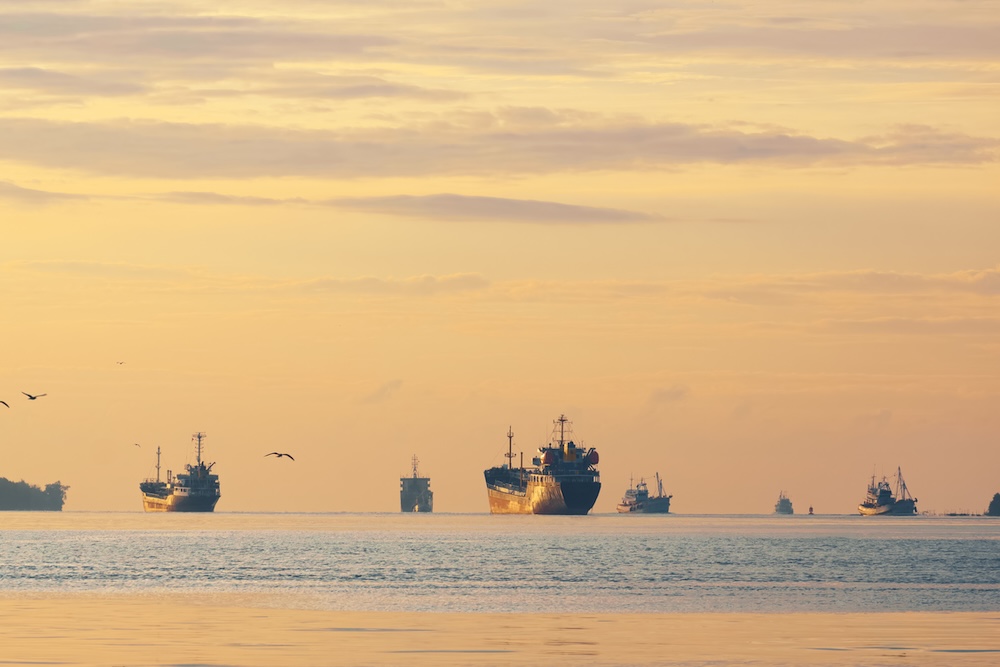
When we think about global transportation, most people picture crowded highways, bustling airports, or sprawling train networks. But the busiest highways on Earth are invisible to the naked eye — they run across the surface of our oceans. Every single day, tens of thousands of ships crisscross the globe, carrying everything from bananas to oil to electronics.
This constant movement powers the world economy — and quietly reshapes marine life, the climate, and the very chemistry of the sea.
The Scale of Global Maritime Traffic
On any given day, there are an estimated 50,000 to 60,000 commercial ships operating worldwide. This includes cargo ships, tankers, ferries, fishing vessels, cruise liners, and high-speed craft. Many travel along fixed shipping lanes, some as busy as any major freeway, while others cut directly through wildlife habitats, coral reefs, and migration routes.
These ships don’t just operate in coastal waters. Satellite data shows dense traffic even in the middle of the ocean, where transoceanic vessels shave days off travel time by taking the most direct routes — often through remote marine ecosystems that were once rarely disturbed.
Different Types of Ocean-Going Vessels
While “ships” is a broad term, the maritime industry is made up of specialized vessels:
- Container Ships – The backbone of global trade, carrying manufactured goods, electronics, food, and raw materials.
- Oil and Gas Tankers – Transporting crude oil, refined fuels, and liquefied natural gas.
- Bulk Carriers – Moving commodities like coal, grain, iron ore, and fertilizer.
- Fishing Vessels – From industrial trawlers to smaller boats, these operate worldwide, often far offshore.
- Passenger Ferries and Cruise Ships – Carrying millions of travelers annually, with high concentrations in popular tourist regions.
- High-Speed Craft – Ferries and smaller ships capable of 30+ knots, often in whale and dolphin habitats.
- Military and Research Vessels – Constantly moving, sometimes in sensitive marine areas.
Each type comes with its own set of environmental challenges — and together, they create an unprecedented level of human presence in marine ecosystems.
The Noise Problem Beneath the Waves
For most marine animals, especially whales and dolphins, sound is life. They use it to navigate, hunt, communicate, and find mates. But shipping has turned large parts of the ocean into a constant background hum — and in busy areas, a deafening roar.
The low-frequency rumble of large ships can carry for hundreds of miles underwater. For baleen whales, whose songs occupy similar frequencies, this is like trying to have a conversation in the middle of a freeway. Chronic noise exposure has been linked to stress, disorientation, and reduced reproductive success in several species.
Ship Strikes and Wildlife Collisions
Where there are ships, there’s the risk of collision — especially for animals that spend time near the surface. Whales, sea turtles, and even large fish can be struck and killed, often without the crew ever realizing it happened.
Some regions — like the North Atlantic, the Mediterranean, and parts of the Pacific — are both biodiversity hotspots and shipping superhighways. This overlap makes vessel strikes one of the leading causes of death for certain whale species, including the North Atlantic right whale and blue whales off the coast of Chile.
Pollution From Maritime Traffic
Even though shipping is more fuel-efficient per ton of cargo than air travel, the sheer scale of the industry makes it a major source of pollution:
- Air Pollution – Ships burn heavy fuel oil, releasing sulfur oxides, nitrogen oxides, and particulate matter, all of which harm both climate and human health.
- Greenhouse Gas Emissions – Maritime shipping accounts for roughly 3% of global CO₂ emissions, a share projected to rise if left unchecked.
- Oil Spills and Discharge – Accidental spills make headlines, but routine discharges of oily water, ballast water, and sewage also add up.
- Marine Debris – Lost cargo containers, plastics, and fishing gear contribute to the growing ocean waste crisis.
Why This Matters More Than Ever
Maritime traffic has doubled in the last 20 years and is projected to keep growing. Globalization, population growth, and demand for goods mean more ships, more routes, and more impact. Yet regulation is patchy and enforcement inconsistent — especially in international waters, where no single nation has clear authority.
Meanwhile, marine life faces unprecedented pressure from climate change, overfishing, and habitat loss. Adding nonstop shipping noise, strikes, and pollution creates a dangerous cumulative effect that could push vulnerable species to the brink.
What Can Be Done
Solutions exist, but they require global cooperation:
- Rerouting Ships away from critical habitats and migration corridors.
- Mandatory Speed Limits in whale-rich areas to reduce collisions and noise.
- Cleaner Fuels and Emissions Standards to cut air and water pollution.
- Noise-Reduction Technologies like quieter propeller designs and hull modifications.
- Real-Time Wildlife Detection Systems to alert ships of nearby animals.
- International Agreements to standardize and enforce protections in global waters.
Final Thoughts
Every container of coffee, car part, or phone that arrives at our door has likely traveled by ship. But the true cost of this global convenience is paid in the silent suffering of marine species and the degradation of the ocean’s health.
The ocean is not an empty highway — it’s a living, breathing ecosystem that sustains life on Earth. Until we recognize the scale of our presence at sea and commit to reducing its harm, the busiest highways on the planet will remain some of the most dangerous for the creatures that call the ocean home.