






When pesticides are sprayed on crops, lawns, or orchards, they rarely stay where intended. Rain, irrigation, and wind carry them into rivers, streams, lakes, and groundwater. Once there, they don’t just dilute — they disrupt entire aquatic ecosystems. From plankton to fish to amphibians, pesticide exposure alters reproduction, growth, and survival, rippling up food chains and weakening the resilience of waters we all depend on.
Aquatic ecosystems are among the most sensitive to pesticide pollution, and the consequences are far broader than most people realize.
How Pesticides Reach Water
Pesticides are designed to kill — and their pathways into water are multiple:
- Runoff: Rain washes chemicals from fields into nearby rivers and lakes.
- Leaching: Pesticides seep through soils into groundwater reserves.
- Drift: Sprayed pesticides travel on wind and settle into waterways.
- Wastewater: Household pesticide use (lawn care, pest sprays) enters sewer systems, often untreated.
Even at low concentrations, pesticides in water can accumulate and interact with other pollutants, creating toxic cocktails.
Direct Effects on Aquatic Organisms
Fish
- Exposure to insecticides like chlorpyrifos and neonicotinoids impairs fish nervous systems, reducing swimming ability and survival.
- Pesticides bioaccumulate in fish tissue, threatening not only fish populations but also humans and animals who eat them.
- Studies link pesticide exposure to deformities, reduced growth, and reproductive failure in species from trout to tilapia.
Amphibians
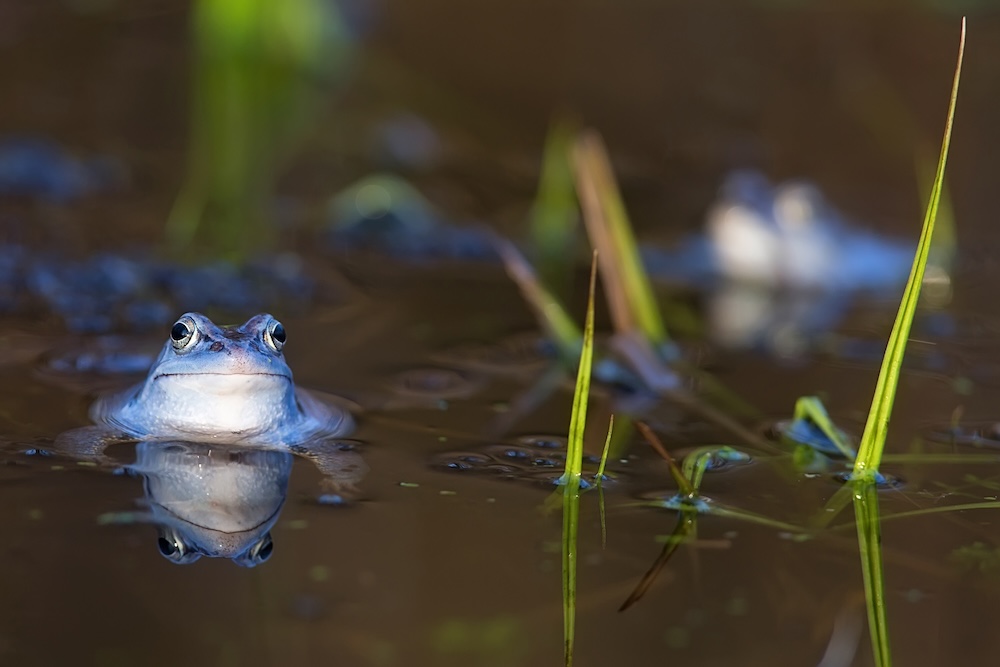
- Amphibians like frogs and salamanders are highly sensitive because they absorb chemicals directly through their skin.
- Pesticides have been linked to limb deformities, weakened immune systems, and population crashes.
- Amphibians are key ecological indicators: when they disappear, it signals deep ecosystem imbalance.
Aquatic Insects & Plankton
- These small creatures form the base of aquatic food webs.
- Pesticides often wipe out insect larvae and plankton, depriving fish and birds of food.
- Even tiny doses of neonicotinoids can kill mayfly and caddisfly larvae — keystone species in many freshwater ecosystems.
Indirect and Systemic Impacts
- Algal Blooms: Pesticides kill beneficial aquatic plants and invertebrates, allowing harmful algae to dominate. This reduces oxygen, creating “dead zones” where fish cannot survive.
- Food Web Collapse: By killing insects and plankton, pesticides disrupt feeding chains, leading to fewer fish, fewer birds, and weaker ecosystems.
- Water Quality Decline: Contamination affects drinking water supplies, increasing treatment costs for communities downstream.
Case Studies
- Chesapeake Bay, USA: Pesticide runoff from agriculture, alongside fertilizer use, has contributed to fish kills and aquatic habitat loss.
- Great Barrier Reef, Australia: Herbicides used on sugarcane fields wash into rivers and reach the reef, harming seagrass beds and corals.
- India’s Rivers: Studies show widespread pesticide contamination linked to declines in fish catches, threatening livelihoods of fishing communities.
These examples highlight that aquatic pesticide damage is both local and global.
Human Consequences
Pesticides in aquatic systems aren’t just an environmental issue. They affect people directly:
- Drinking water: Contaminated supplies require expensive treatment; poorer communities often lack resources to clean water.
- Food safety: Fish and shellfish absorb pesticides; eating them transfers toxins up the food chain.
- Livelihoods: Fishing communities lose income when aquatic life declines due to contamination.
Regulation and Gaps
Many countries regulate pesticide residues in food, but oversight of water contamination is weaker. Monitoring often lags, and mixtures of pesticides (which can be more toxic together) are rarely accounted for.
- In the U.S., the EPA sets water quality benchmarks for pesticides, but runoff events frequently exceed them.
- In Europe, stricter bans on certain chemicals (e.g., neonicotinoids) show positive ecosystem recovery signs — but enforcement is inconsistent.
- In low-income countries, pesticides banned elsewhere are still widely used, with little regulation or monitoring.
Solutions and Alternatives
Agricultural Practices
- Buffer zones: Planting vegetation along waterways filters runoff.
- Integrated Pest Management (IPM): Reduces reliance on chemicals by using natural predators and crop rotation.
- Organic and regenerative farming: Prioritize soil health and natural controls.
Policy and Industry Action
- Stricter limits on pesticide use near waterways.
- Global phase-outs of the most toxic pesticides.
- Greater investment in safer alternatives.
Community and Consumer Action
- Support farms that use regenerative or organic practices.
- Reduce lawn and household pesticide use.
- Advocate for stricter water monitoring and pollution laws.
FAQs
Can pesticides really affect fish populations?
Yes. Insecticides disrupt fish nervous systems, impair growth, and reduce reproduction, leading to population declines.
Are pesticide levels in rivers high enough to matter?
Even low levels — parts per billion — can affect sensitive species like aquatic insects and amphibians.
Do pesticides in water affect people?
Yes. Contaminated water can enter drinking supplies or accumulate in fish and shellfish consumed by humans.
What’s the connection between pesticides and climate change?
Weakened aquatic ecosystems reduce resilience to heat waves, floods, and storms — compounding climate risks.
Final Thoughts
Pesticides are not just a farm issue. They are a water issue, a biodiversity issue, and a human health issue. Every time pesticides run off into rivers or seep into groundwater, they begin a silent cascade — weakening aquatic ecosystems that sustain both wildlife and people.
Protecting water from pesticide pollution is not optional. It is essential for resilient food systems, healthy communities, and the future of life in rivers, lakes, and oceans.